
A folded raw corn-masa tortilla filled with quesillo (Oaxaca string cheese) plus flor de calabaza, huitlacoche, or tinga, then comal-cooked or fried until the edges blister and the cheese melts.
The cheeseless Mexico-City quesadilla is not a recent quirk — 19th-century Mexican cookbooks (e.g. El Cocinero Mexicano) already record quesadillas that are simply a folded masa tortilla with no cheese. The quesillo it is now filled with is itself an Oaxacan cheese, reportedly first made around 1885 in Reyes Etla, Oaxaca. The famous «¿con queso?» debate is real: in Mexico City, quesadilla is the name of the masa-fold itself — so a chicharrón quesadilla, a tinga quesadilla, or a flor de calabaza quesadilla can all legitimately come without cheese, which infuriates everyone outside the capital. The fillings — flor de calabaza, huitlacoche, tinga, sesos — are sold from tianguis market stalls run by women.
In CDMX the word names the masa fold itself, not the cheese — the «¿con queso?» question is real. Quesillo (Oaxacan stretched-curd) is load-bearing: it pulls in long unbroken strings where mozzarella puddles.
Half-moon of charred masa, the fold splitting open at the bite to release a long stretch of stringy quesillo and a tangle of orange blossoms or earthy black huitlacoche. Hot, salty, herbaceous (epazote is a load-bearing flavour). Squeeze of lime cuts the cheese fat. A street version is fried, crisp at the seams; the comal version is more tender, chewier.
Quesillo is the load-bearing detail. Unlike mozzarella, quesillo is a stretched-curd cheese pulled into ribbons before salting — so it melts in long unbroken strings rather than puddling. If you substitute mozzarella, the quesadilla still works but loses the signature pull. The masa is also raw on filling: cooking masa and filling together is what fuses them, so the cheese seeps slightly into the inside surface of the tortilla. Pre-cooked tortillas refolded around hot cheese are a different (lesser) dish.
Variations
Comal version (tender, chewy) at Mercado de Coyoacán; fried quesadilla (crisp seam) at Mercado de la Merced; Oaxaca-Puebla cousin demands cheese by definition. Flor de calabaza, huitlacoche, tinga, sesos are the canonical CDMX fillings.
On the Palate
Where Quesadilla (Mexico City Style) sits in the Mexican flavor cloud
Ingredients
Serves 4





How it's made
6 steps · 25 min active + 10 min waiting
- 113 min
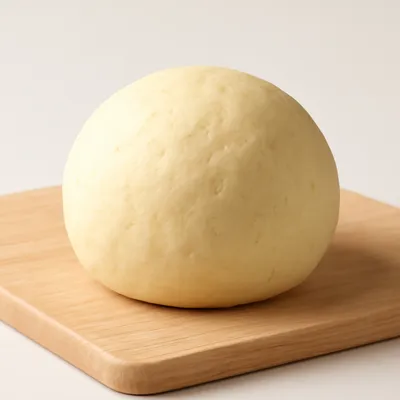
Hydrate masa: mix 300g masa harina with 360ml warm water and 1/2 tsp salt. Knead until smooth and uniformly damp, about 3 minutes. Rest covered 10 minutes — masa absorbs water and becomes pliable.
Watch outIf a pinched edge cracks like dry clay, work in 1-2 tbsp more water.
- 28 min
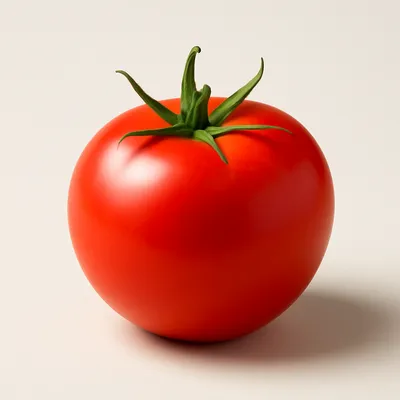
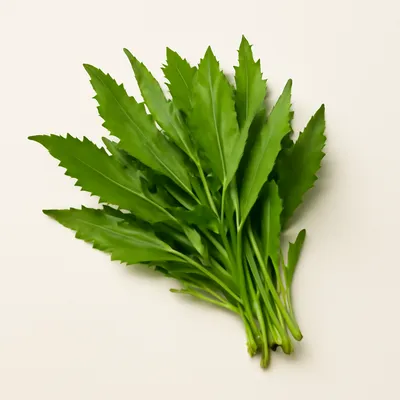
Prep one filling — flor de calabaza: pull the green calyx and stamen off 100g squash blossoms. Sauté 1 small chopped white onion and 1 minced garlic clove in 2 tbsp oil, add 1 chopped tomato, cook 4 minutes, slide in blossoms and a sprig of epazote, cook 2 minutes more — blossoms wilt to bright orange ribbons.
- 36 min
Press tortillas: divide masa into 8 balls of 80g. Press one between two plastic sheets in a tortilla press to a 16cm round, about 2mm thick. Lay on the work surface and don't fold yet.
Watch outPress too thin and the raw filling tears the masa when you fold.
- 45 min
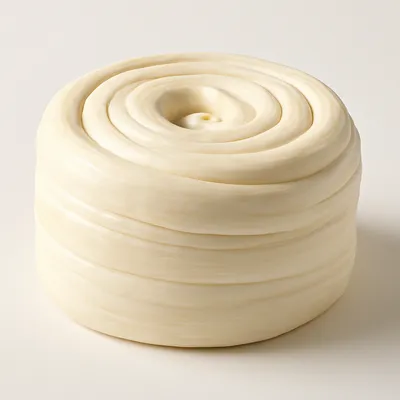
Stuff and fold: place 30g shredded quesillo (Oaxaca string cheese, pulled into threads) and 1 tbsp filling on one half of each round, fold the other half over and press the edge gently to seal. The masa is still raw — handle carefully.
- 57 min
Comal-cook: heat a comal over medium-high. Lay quesadillas on the dry surface, cook 3 minutes per side until both sides have brown spots and the cheese is melting. The edges puff slightly. (Alt: shallow-fry in 2cm of hot oil 350°F/175°C, 90 seconds per side, for the fried CDMX street version.)
Watch outIf cheese leaks before masa cooks, flame is too high — pull back to medium.
- 61 min
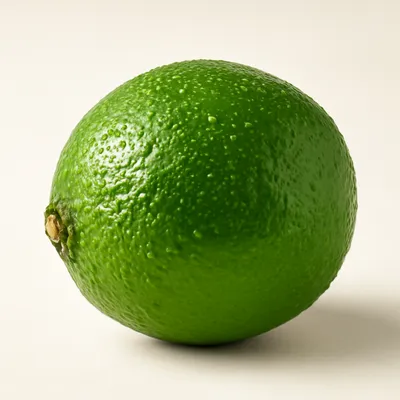
Serve hot from the comal with green or red salsa, crema, and a wedge of lime. Eaten one-handed, dripping cheese.
Archive tool suggestions — not reviewed
These legacy suggestions have not been evidence-reviewed and are not presented as required tools.
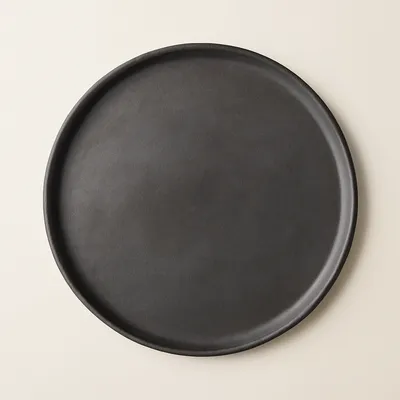
A flat round griddle of steel, cast iron, or unglazed clay, 30-50 cm across, the workhorse of the Mexican kitchen. It sits directly over a flame to toast tortillas (the puff happens in 30 seconds when the heat is right), char chiles for moles, blister tomatoes for salsas, and warm reheated leftovers. Clay comales (especially from Oaxaca) season with each use and impart a faint smoky tang that no metal version can fake.
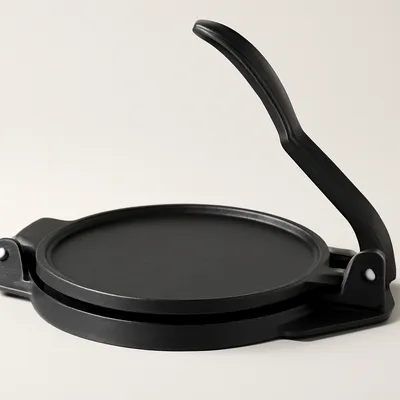
Two flat plates hinged at one edge, 18-20 cm across, made of cast iron or wood. A ball of nixtamalized masa is placed between two plastic squares, and one good push flattens it to a 2 mm disc — what would take 30 seconds of hand-patting takes 2 seconds. Cast-iron presses are heavier and produce more uniform tortillas; wooden ones are lighter and better-suited to thicker huaraches and sopes.


