Sweet ripe plantain dough wrapped around savory picadillo or beans, then fried golden.
Plátano macho (cooking plantain) reached Veracruz from West Africa via the Caribbean slave trade and quickly became a Gulf-coast staple, alongside yuca and coconut. The sweet-plantain empanada is a coastal home-cook tradition — every Veracruzan abuela has a version, and the picadillo filling is direct lineage from Spanish empanadas adapted to local sweetness.
Plantain reached Veracruz with the 16th-century West-African slave trade; the dough must be made from black-skin plantain because yellow is still 80% starch and won't bind. Masa harina is the structural binder.
Crackle through a sugar-dusted shell into starchy-sweet plantain that's caramelized at the edges, then your teeth find the savory shock of cumin-warm beef studded with raisins and olives. The trick is the contrast: dessert dough, dinner filling. Eat them within ten minutes of frying — they go from cloud to brick once the plantain cools.
Black-skinned plantain has converted enough starch to sugar that mashing yields a workable dough — yellow plantain is still 80% starch and won't bind. The masa harina addition is structural: it binds the wet plantain into something that survives a fold and a fry. Without it, the empanadas split open in the oil.
Variations
Tabasco's empanadas de plátano use a savory cheese filling; Cuban plátano maduro fritters skip the dough entirely; Colombian aborrajados sandwich cheese inside ripe plantain and fry without picadillo.
On the Palate
Where Empanadas de Plátano Macho sits in the Mexican flavor cloud
Ingredients
Serves 4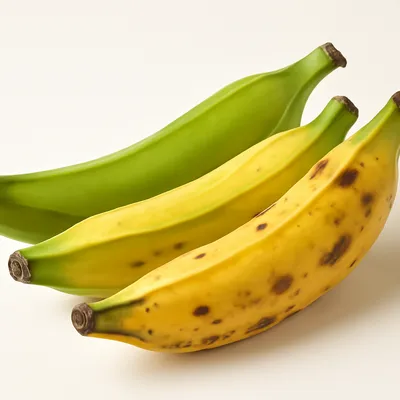







How it's made
6 steps · 25 min
- 130 min
Boil 4 fully ripe plátanos macho (skin black, flesh soft) in their skins for 25 minutes. Drain, peel, and mash hot with 60 g masa harina and a pinch of salt until a smooth, slightly sticky dough forms.
Watch outPlantains MUST be black-skinned. Yellow ones won't sweeten or mash properly.
- 214 min
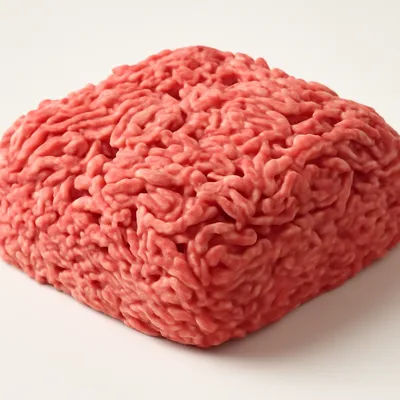
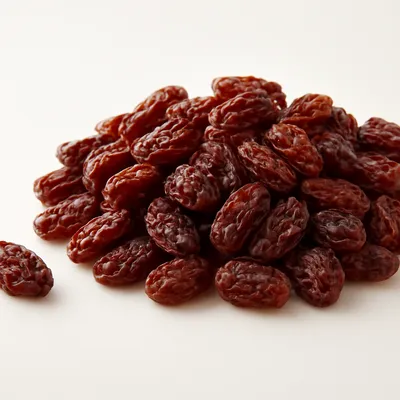
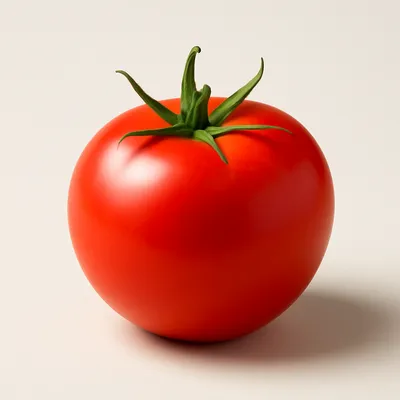
Cook 250 g ground beef with 1 minced onion, 2 garlic cloves, and 1 tsp cumin in 15 ml oil over medium heat. After 8 minutes add 1 chopped tomato, 30 g raisins, and 12 chopped green olives. Simmer 6 minutes; cool.
Watch outFilling must be cool — hot picadillo melts the plantain dough on contact.
- 335 min
Rest dough 30 minutes, covered. Divide into 12 balls (40 g each). Press each between two sheets of plastic wrap into a 12 cm round.
Watch outPlantain dough is fragile — never roll with a pin, only press.
- 48 min
Spoon 1 tbsp filling onto each round. Lift the plastic to fold the dough over into a half-moon, press edges to seal, peel away plastic.
- 512 min
Heat 4 cm of vegetable oil to 175°C in a deep pan. Fry empanadas in batches of 3, turning once, for 3-4 minutes total until deep golden.
Watch outOil below 170°C and the dough soaks oil; above 185°C and the outside burns before the inside cooks.
- 62 min
Drain on a rack. Dust with sugar (Veracruz style) or serve with crema and salsa verde. Eat hot — the plantain dough firms unappealingly when cold.
Archive tool suggestions — not reviewed
These legacy suggestions have not been evidence-reviewed and are not presented as required tools.