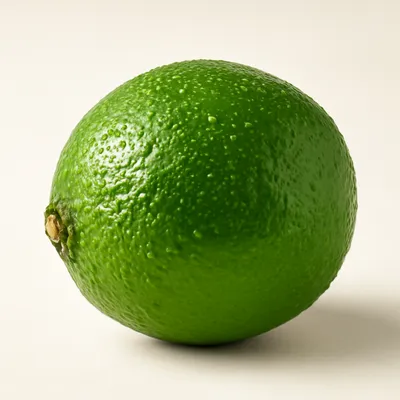
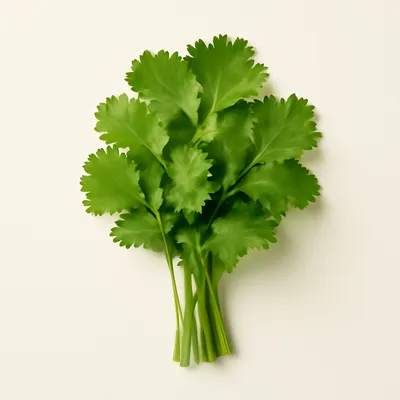
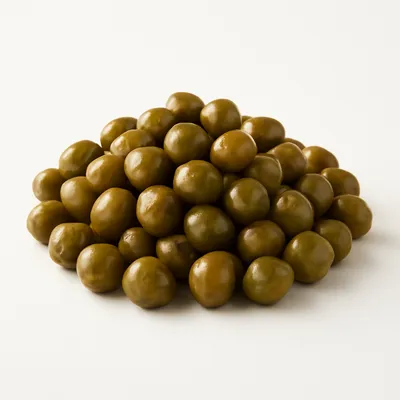
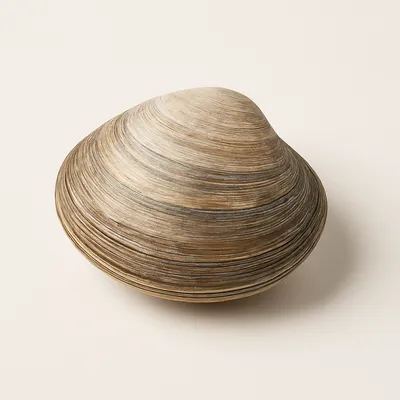
Arroz a la TumbadaCafé de OllaCaldo de Mariscos VeracruzanoCazón a la Veracruzana
Mexico / Veracruz (Gulf coast)

Veracruzano

Huachinango: red snapper, olive-tomato sauce.

17 dishes · 89 ingredients · 18 techniquesReference
Signature·Dish

Huachinango a la Veracruzana

Huachinango a la Veracruzana is a red snapper dish cooked with tomatoes, olives, and capers, reflecting Veracruz's Spanish-Caribbean culinary fusion.

View page →

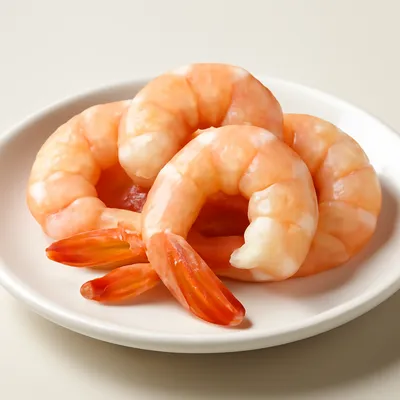
Veracruz, along Mexico's Gulf coast, is a seafood cuisine that blends indigenous, Spanish, and Afro-Caribbean influences from centuries as the country's main port. Its emblem is huachinango a la veracruzana — whole red snapper baked in a sauce of tomatoes, onions, garlic, green olives, capers, and pickled chiles, a clear legacy of Spanish cooking. Arroz a la tumbada is the local one-pot rice cooked with mixed seafood, tomato, and the herb epazote. Other staples are seafood cocktails, fried fish, and small turnovers; the herb epazote and the local long green chile season much of the food. The region grows two ingredients that traveled the world: vanilla, native to Papantla, and the coffee of Coatepec — and a strong milky coffee, café lechero, is the everyday drink.

The Palate

HeatRichnessComplexityFermentFreshness

The Pantry

See all 89 ingredients

How They Cook

Techniques that define this cuisine

See 14 more techniques

Kindred Kitchens

Cuisines built on the same signature ingredients

Other regions

Siblings within Mexican — each its own tradition.

Central Mexican
137

Tacos al pastor, tlacoyos, quesadillas, tortas. Street food at scale, the modern Mexican palate.

Oaxacan
32

Land of seven moles — chichilo, negro, coloradito. Tlayudas, tasajo, chapulines.

Norteño
29

Wheat tortillas, grilled beef, machaca, asado de boda. Cattle country, less corn-centric.

Yucatecan
25

Mayan inheritance — achiote, sour orange, banana leaf. Cochinita pibil, sopa de lima.

Pueblan
22

Convent-baroque — mole poblano, chiles en nogada, cemitas. Ornate, multi-step, deeply seasonal.

Jalisco
17

Western Mexico mariachi-and-birria — birria, pozole rojo, tortas ahogadas.

Noreste
17

The cattle-and-goat grilling and Gulf-coast food of the northeast — Monterrey's mesquite carne asada and arrachera, Linares's pecan-caramel glorias, Tampico's stacked tortas de la barda, and the namesake carne a la tampiqueña.

Central Highlands
16

The cold-highland milpa and maguey village food ringing the capital — Morelos's sun-dried cecina de Yecapixtla, Toluca's green chorizo, Tlaxcala's near-black mole prieto, and Cuautla's rice-based armored tacos.

Chiapas
16

Maya-southern jungle highland — cochito horneado, sopa de pan, tamales juacane.

Bajío
12

The mining-town and fairground food of the central Bajío — Guanajuato's guajillo-dipped enchiladas mineras, León's chicharrón-stuffed guacamayas, the exotic artisan ices of Dolores Hidalgo, and the cajeta-caramel country around Celaya.

Guerrero
12

The Pacific-coast cooking of Guerrero — green pozole eaten every Thursday, the Costa Chica's Afro-Mexican pork relleno, Acapulco-coast tiritas ceviche, frothy pre-Hispanic chilate, and the sweet pink mole of the silver town of Taxco.

Michoacán
12

Purépecha lake heartland — carnitas, uchepos, corundas, sopa tarasca.

Hidalgo
9

Maguey country in Mexico's central highlands, where pre-Hispanic and Cornish-mining heritages sit side by side. Pit-steamed barbacoa, escamoles (ant larvae), mixiotes, and the pasty-derived paste are the local signatures, washed down with pulque from the agave fields.

Sonora
9

Mexico's northwestern wheat-and-beef belt, a desert cattle country that eats more like the ranch than the milpa. Home of the paper-thin tortillas de agua (giant flour tortillas), mesquite-grilled carne asada, bacon-wrapped Sonoran hot dogs, and the coyota cookie.

Sinaloa
7

Pacific-coast shrimp economy — aguachile, chilorio, flour-tortilla north.

Baja California
5

Pacific peninsula Tijuana-Ensenada — fish tacos, smoked marlin, Caesar salad invention.

Signature Dishes (17)

Browse all 17 dishes