
From the port of Veracruz, mid-19th century, when the city was Mexico's main Atlantic gateway. The dish is a clear Mediterranean transplant — olives, capers, olive oil, bay are Spanish-Italian — laid over an indigenous tomato base and the local Gulf snapper. It became codified after the 1838 French occupation and the parallel European immigration, when Veracruz kitchens absorbed Mediterranean stocks alongside the chili-and-tomato kitchen.
Whole Gulf snapper baked under green olives, capers, pickled jalapeños, bay — a mid-19th-century Veracruz port plate that absorbed the Mediterranean stocks brought in after the 1838 French occupation. Bones release gelatin into the tomato.
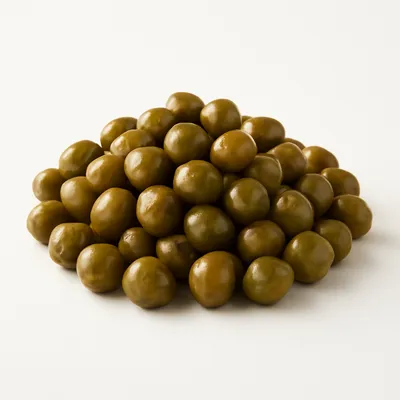
A whole red snapper baked in a chunky tomato sauce loaded with green olives, capers, sliced white onion, pickled jalapeños, bay, and a slick of olive oil. The fish stays moist under the sauce; the brine from olives and capers seasons it from above. Served with white rice to soak the broth. Eyes clear, flesh flaking off the bone in clean sheets — that's the test.
Whole-fish cooking is the load-bearing choice — the head and bones release gelatin into the sauce as it bakes, thickening it and adding the marine depth that fillets cannot give. Bone-in also protects the flesh from overcooking. The capers and olives stay whole, never minced; you want occasional salt-bright punches against the sweet tomato, not a uniform brine.
Variations
Boca del Río keeps the fish whole and bone-in; Alvarado uses robalo (snook) instead of huachinango; modern Mexico City restaurants like Contramar fillet it and call it a la talla, which is not the same dish.
On the Palate
Where Huachinango a la Veracruzana sits in the Mexican flavor cloud
Ingredients





How it's made
5 steps · 1 hour 15 min
- 17 min
Rinse and pat dry the red snapper, then score the skin.
- 227 min
In a pan, heat olive oil and sauté onions and garlic until translucent.
Watch outSweat the onion and garlic gently until soft and translucent, not browned — browning turns the base bitter.
- 317 min
Add tomatoes, olives, capers, pickled jalapeños, and bay leaves, simmering to create a sauce.
Watch outSimmer until the tomato breaks down and the sauce thickens enough to coat a spoon before the fish goes in.
- 417 min
Nestle the red snapper into the sauce, cover, and cook until the fish is flaky.
Watch outNestle the fish into the sauce, spoon some over the top, cover — it's done the moment the flesh flakes.
- 57 min
Finish with a squeeze of lime juice and season with salt to taste.
Archive tool suggestions — not reviewed
These legacy suggestions have not been evidence-reviewed and are not presented as required tools.