
Carne en su jugo emerged from Guadalajara's mid-20th-century street eateries; its exact inventor is disputed (folk accounts credit a hot-dog vendor nicknamed 'El Gallo' near the San Juan de Dios market and the de la Torre family's Las Carretas stand, among others). Karne Garibaldi, the restaurant most associated with the dish, was opened in 1970 in the Santa Tere neighborhood by Néstor Flores Michel and his wife. The format — beef cooked in its rendered juices instead of separately seared, served as a soup — was a regional innovation. Karne Garibaldi remains the canonical address; the restaurant chain has spread within Jalisco but the original location is still considered the standard.
Invented 1958 at Karne Garibaldi on Calle Garibaldi in Guadalajara's Santa Tere by Hilario Salcedo. The restaurant holds a Guinness record for fastest service. Thin-sliced beef cooks in tomatillo broth without searing — bacon fat carries the volatile aromatics.
Spoon goes in twice — once for the green broth (sharp tomatillo, bacon-fat depth, cilantro lifting through), once for a strip of beef plus a pile of bayo beans. The beef has barely cooked, still tender, soaking up salsa; the beans sit at the bottom in their own creamy pool. Crisp bacon on top crackles. Tortilla in hand, fold and dip. Best eaten at Karne Garibaldi where the kitchen is timed to seconds — they hold the Guinness record for fastest service — a full table served in 13.5 seconds, set August 31, 1996.
Two things make this dish work: thin-sliced beef cooks fast enough to stay tender in liquid (no sear required), and bacon fat provides the saturated-fat backbone that carries the tomatillo's volatile aroma compounds. The tomatillo's malic acid breaks down during the boil, leaving fruity sweetness; the cilantro and raw onion at the end keep top notes alive against the cooked broth.
Variations
Karne Garibaldi is the canonical address; Tlaquepaque's Los Faroles runs a meatier, less brothy version; modern Guadalajara cevicherías do a chilled green-aguachile spin on the same bowl.
On the Palate
Where Carne en Su Jugo sits in the Mexican flavor cloud
Ingredients
Serves 4





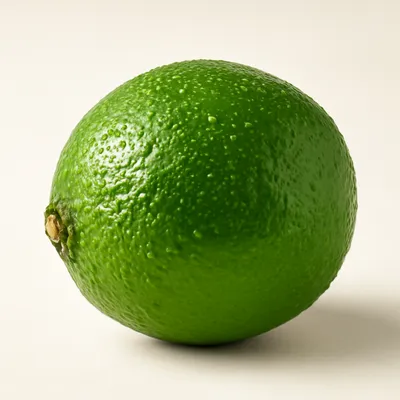

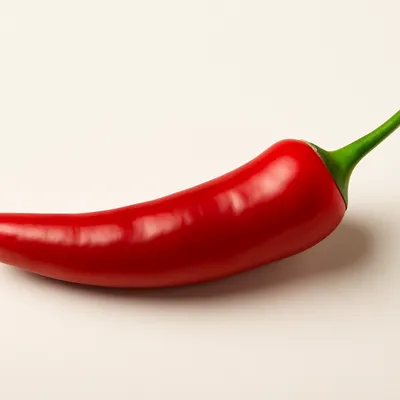

How it's made
7 steps · 35 min active + 25 min waiting
- 190 min
Cook 250g dried bayo beans (creamy small Mexican beans) in 2L water with 1/2 onion, 2 garlic cloves, salt added at the end. 90 minutes pressure cooker, or 3 hours stovetop, until creamy. Reserve in their broth.
Watch outSalt only at the end — early salt toughens the skins. Pinto beans substitute if bayo are unavailable.
- 28 min
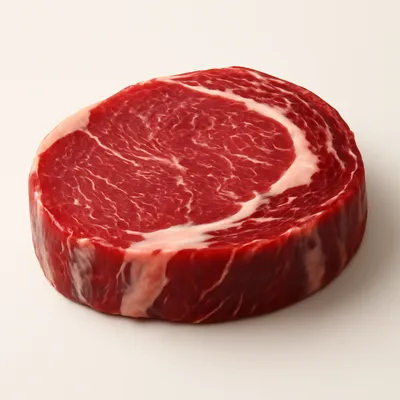
Slice 600g beef sirloin or skirt against the grain into 2-3mm strips. Salt lightly. Slice 150g thick-cut bacon into 1cm lardons.
Watch outPartially freeze the beef 20 minutes before slicing — paper-thin is the goal so it cooks in 90 seconds.
- 310 min
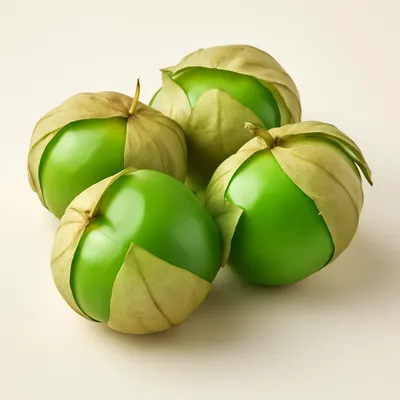
Husk and rinse 500g tomatillos. Boil with 3 serrano chiles (whole) until the tomatillos turn olive-green and the skins begin to split — about 8 minutes. Drain.
Watch outDon't overboil — tomatillos turn bitter and break apart. Pull when colour shifts and skin loosens.
- 43 min
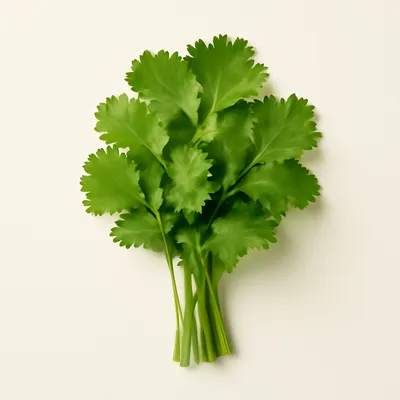
Blend the tomatillos and serranos with 1/2 white onion, 3 garlic cloves, a packed bunch of cilantro (stems too), and 1 tsp salt until smooth. This is the signature green base.
- 58 min
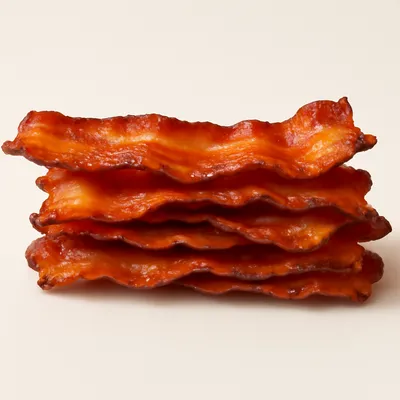
Render the bacon in a deep heavy pot over medium until crisp and the fat is golden — 8 minutes. Lift out half the bacon for garnish, leave the rest with the fat.
Watch outBacon fat is the flavour foundation — don't drain it off.
- 68 min
Add the sliced beef to the bacon pot in a single layer. Don't stir for 60 seconds (let it sear), then pour in the green salsa and 1L beef stock. Bring to a simmer and cook 5-7 minutes until the beef is just done.
Watch outDon't overcook — thin slices go from tender to leathery in 60 seconds. Pull at first sign of grey-green throughout.
- 73 min
Ladle into deep bowls. Spoon a generous portion of cooked bayo beans (with broth) into each. Top with reserved crisp bacon, raw white onion diced fine, fresh cilantro, sliced radish, lime wedges. Serve hot tortillas alongside.
Watch outBeans + their broth go in — not just drained beans. The two broths mingle in the bowl.
Archive tool suggestions — not reviewed
These legacy suggestions have not been evidence-reviewed and are not presented as required tools.
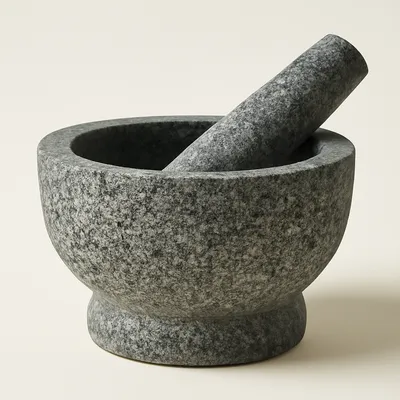
The simplest tool in any kitchen: a heavy bowl and a club to bash things in it. Different cuisines use different stones — Thai cooks pound green papaya in a tall granite mortar (krok hin); pesto Genovese requires the soft-pored Carrara marble; Indian masalas grind down on rough basalt. The bash-don't-cut motion releases volatile oils that a blade keeps sealed in the cell wall.
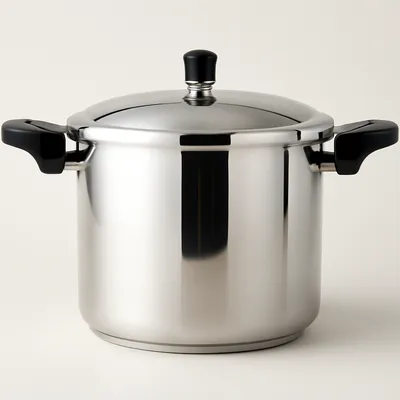
A sealed pot that lifts the boiling point of water from 100°C to ~120°C by trapping steam at 1 bar above ambient pressure. Tough cuts (oxtail, beef shank, dried beans) cook in 30 minutes instead of 4 hours; the higher heat denatures collagen faster than a long simmer. Modern electric versions (Instant Pot) automate the pressure cycle; old stovetop ones (Presto, Kuhn Rikon) hiss alarmingly but cost a fraction.


