
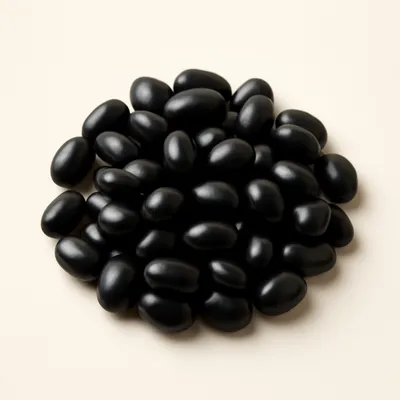


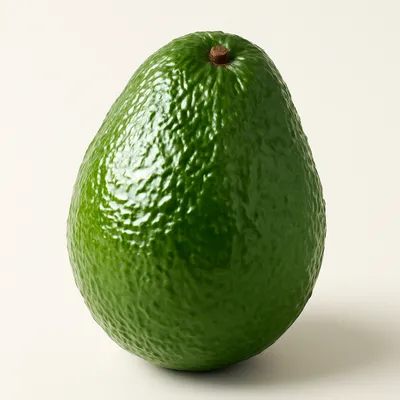

Tortas trace to late 19th-century Mexico City: street vendors started splitting telera rolls (an originally Spanish bread that adapted to Mexican wheat) and stuffing them with leftover guisados. By 1892 Armando Martínez Centurión was selling tortas in Mexico City's historic center, founding what became Tortas Armando — widely credited as the first dedicated torteria. Different fillings became regional flags — torta ahogada (Guadalajara, on birote bread, drowned in a tomato + chile de árbol sauce), pambazo (CDMX, dipped in guajillo), cubana (with everything). The plain torta de pierna or milanesa is the daily working lunch.
Late 19th-century CDMX street food — Armando Martínez Centurión opened El Cuadrilátero in 1892, often credited as the first dedicated torteria. Telera bread is the structural choice: thin papery crust, soft open crumb, compresses without crumbling.
First the toasted crust crackles, then bean and avocado collapse together, then a bite of hot pork or fried cutlet, finished by the vinegar slap of pickled jalapeños. Three textures (crust, mash, meat) and two temperatures (hot meat, cool veg) in one fistful. A telera-rolled torta from a Mexico City torteria is built taller than it is wide and you compress it into your mouth — eat too slowly and the bottom half sogs.
Telera bread is the structural choice. Unlike a baguette (too crusty, it cuts your mouth), telera has a thin papery crust and an open soft crumb that compresses around the filling without crumbling. The crucial step is toasting the cut faces dry on a comal — this creates a moisture barrier so beans and avocado don't immediately soak through. A ciabatta or sourdough sub doesn't compress the same way and the torta becomes a regular sandwich.
Variations
Guadalajara torta ahogada (birote bread, drowned in tomato + chile de árbol sauce); CDMX pambazo (dipped, pan-fried); Puebla cemita (sesame brioche, papalo herb); Veracruz bocoles use masa instead of wheat. Cubana piles every meat at once.
On the Palate
Where Tortas (Mexican Sandwich) sits in the Mexican flavor cloud
Ingredients
Serves 4

How it's made
6 steps · 18 min active + 2 min waiting
- 16 min
Warm 250g cooked black or pinto beans in a pan with 2 tbsp lard and 1/4 chopped onion, mash to a soft spreadable paste over medium heat 5 minutes. Salt to taste. Set aside warm.
- 210 min
Cook the protein. Carnitas: shred 400g pre-cooked carnitas pork, sear in a hot dry pan 3 minutes until edges crisp. Milanesa: pound 4 thin pieces of beef or pork to 5mm, season, dredge flour-egg-breadcrumbs, fry in 1cm oil at 175°C, 90 seconds per side until golden. Pierna: thin-slice 300g cold roast pork leg, warm 2 minutes in a covered pan with a splash of water.
Watch outMilanesa oil at 175°C is the sweet spot — too hot and crust burns before the meat warms.
- 33 min
Split 4 telera rolls (the soft, three-segmented Mexican sandwich roll) horizontally. If the bread is dense, pull out a little crumb from the bottom half — it makes room for filling. Toast cut sides 1 minute on a hot dry comal until lightly crisp.
Watch outA non-toasted roll turns soggy from the beans within 5 minutes — toast is structural.
- 45 min
Slice 2 ripe avocados, 2 tomatoes, 1 small white onion (thin rings). Have pickled jalapeños en escabeche ready. If using, slice 50g panela cheese.
- 54 min
Build: bean smear on bottom half, hot protein next, then avocado mashed lightly with a fork, tomato, onion rings, jalapeños, and a slice of panela. Top with the other half. Press gently — torta should compress to about 5cm thick. Cut on the diagonal.
Watch outBuild with the bean side warm — cold beans against fresh-fried meat condense and steam-soggy the bread.
- 61 min
Serve immediately. The torta is meant to be eaten the moment it's built; even five minutes loses the contrast of crisp roll, hot meat, cold avocado.
Archive tool suggestions — not reviewed
These legacy suggestions have not been evidence-reviewed and are not presented as required tools.
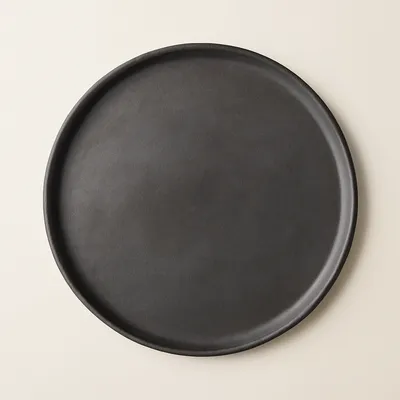
A flat round griddle of steel, cast iron, or unglazed clay, 30-50 cm across, the workhorse of the Mexican kitchen. It sits directly over a flame to toast tortillas (the puff happens in 30 seconds when the heat is right), char chiles for moles, blister tomatoes for salsas, and warm reheated leftovers. Clay comales (especially from Oaxaca) season with each use and impart a faint smoky tang that no metal version can fake.
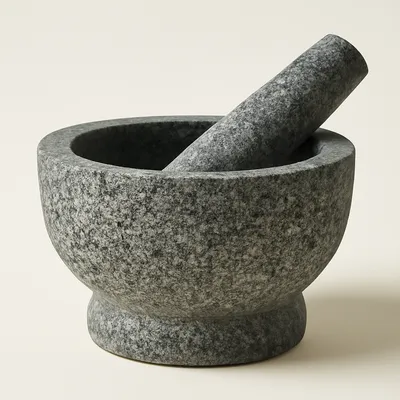
The simplest tool in any kitchen: a heavy bowl and a club to bash things in it. Different cuisines use different stones — Thai cooks pound green papaya in a tall granite mortar (krok hin); pesto Genovese requires the soft-pored Carrara marble; Indian masalas grind down on rough basalt. The bash-don't-cut motion releases volatile oils that a blade keeps sealed in the cell wall.


