Round thick masa cakes — the dough enriched with lard and often refried black beans — comal-cooked then split and stuffed with queso fresco, chorizo, eggs, or shredded chicken — Veracruz-Pueblan border breakfast food.
Bocoles belong to the Huasteca region — the cultural area straddling northern Veracruz, eastern Hidalgo, San Luis Potosí, and the northern edge of Puebla state, populated by Nahua and Teenek people. The technique is pre-Hispanic — adding fat (lard or beans) into masa for thicker, richer cakes is common across Mesoamerican corn cookery. Modern bocoles are common breakfast food in Pueblan Huasteca markets, sold split-and-stuffed by women working clay or iron comales from before dawn.
Huasteca breakfast — masa enriched with 30% bean paste by weight, comal-cooked at 1.2cm thick, split and stuffed. The bean fat coats the starches and prevents over-gelatinization, which is why bocoles eat like an English muffin instead of a thick tortilla.
Bocoles eat closer to a thick English muffin than a tortilla — outer surface dry-crusted from the comal, inside soft and slightly steamy. The bean-streaked dough means every bite has a pocket of black-bean savoriness even before you reach the filling. Chorizo and egg is the standard breakfast load. With black coffee, in a Huasteca market stall, hot off the iron, this is morning food at its most utilitarian. Cold bocoles are a different, sadder food.
The bean-fat enrichment changes the structure: pure masa-water dough cooks dense and gluey at 1.2cm thick, but masa with 30% bean-paste-and-cheese by weight stays open-crumbed and tender even when the disc is thick. The fat in the lard-rich beans coats the masa starches and prevents over-gelatinization. This is why bocoles can be eaten as the bread itself, not just as a wrapper.
Variations
Northern Veracruz versions use black beans; San Luis Potosí Huasteca leans on pinto with chorizo and cheese; Hidalgo cooks add toasted chile pequín into the dough itself.
On the Palate
Where Bocoles sits in the Mexican flavor cloud
Ingredients
Serves 4





How it's made
5 steps · 35 min active + 10 min waiting
- 114 min
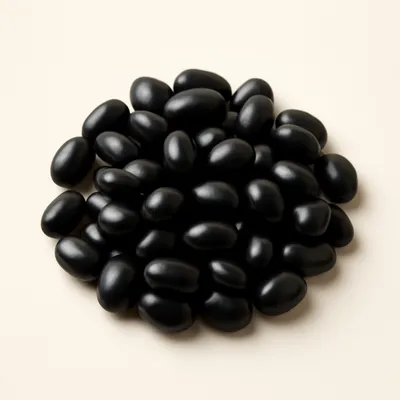
Make the bean filling: in a small pan, melt 2 tbsp lard. Add 1/2 chopped white onion and cook 5 minutes until soft. Add 250g cooked black beans (with a few spoons of their cooking liquid). Mash with a wooden spoon over medium heat 6-8 minutes until thick and pasty, almost dry. Season with salt and a pinch of dried Mexican oregano. Cool.
Watch outWet beans will leak through the masa during cooking — mash until the paste holds a peak on the spoon.
- 213 min
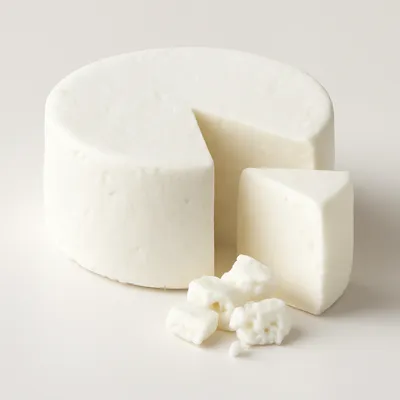
Mix the dough: combine 300g masa harina with 380ml warm water and 1 tsp salt. Knead 3 minutes until smooth. Add 100g of the cooled bean paste and 50g crumbled queso fresco. Knead briefly to streak the dough — you want the beans visible, not fully blended. Rest under a damp cloth 10 minutes.
Watch outOver-kneading makes the dough gummy and the bocol dense — short knead only.
- 36 min
Divide into 12 balls (~70g each). Roll each into a ball, then flatten between palms into thick discs 6-7cm wide and 1.2cm thick — bocoles are recognizably thick, not flat like a tortilla.
- 425 min
Heat a comal or heavy iron pan over medium heat — no oil, dry. Cook the bocoles 4-5 minutes per side until the surface is dark-spotted and the inside springs back when pressed. They will swell slightly. Total cook time per disc: 8-10 minutes.
Watch outIf the comal is too hot the outside burns before the inside cooks — keep it medium; bocoles are thick and need internal time.
- 55 min
While still warm, slice each bocol horizontally three-quarters through (like a pita pocket) and stuff: choose chorizo (browned 4 minutes in its own fat), scrambled eggs, shredded chicken, or just more queso fresco and a spoon of salsa verde. Eat hot with black coffee.
Watch outBocoles cool fast and turn dense — split and serve within 5 minutes of coming off the comal.
Archive tool suggestions — not reviewed
These legacy suggestions have not been evidence-reviewed and are not presented as required tools.