
Lightly fermented pineapple-skin drink — peels + piloncillo + cinnamon + water, 2-3 days at 25°C. About 1-2% ABV, fizzy, rust-amber.



Pre-Hispanic Nahua origin; tepiātl meant a corn-based fermented drink. Pineapple, brought by the Spanish from South America after 1521, displaced the corn version by the 18th century. Now sold from glass barrels at every Mexico City tianguis.
INEGI 2022 logged tepache as the second-most-consumed street drink in Mexico after agua de jamaica. Mexico City brand De La Calle (founded 2020 by Jay Stein) canned it for the US market and hit Whole Foods nationwide by 2023.
Cloudy gold-amber, a soft prickle on the tongue, pineapple-tropical and clove-spice with the sour edge of wild yeast. Served over ice with a chile-salt rim or a splash of dark beer (tepache con cerveza).
Wild yeasts on the pineapple skin (mostly Saccharomyces and Hanseniaspora) drive the ferment — never wash the peel hard. Stop at day 3 max: past that, acetobacter takes over and you have pineapple vinegar. Loose-cover the jar, never seal.
Variations
Tepache de piña classic (Jalisco, Guadalajara markets), tepache de tamarindo (tamarind pulp swap), tepache curado (spiked with mezcal or beer, Michoacán cantinas), tepache rojo (with hibiscus). The pre-Hispanic corn-based tepiātl survives only in Hidalgo Otomí communities.
On the Palate
Where Tepache sits in the Mexican flavor cloud
Ingredients
Serves 6How it's made
4 steps · 5 min active + 3 days 10 min waiting
- 15 min
Save peels and core of 1 ripe pineapple; rinse in cool water.
Watch outRinse the peels gently and don't scrub — the pale bloom on the skin is the wild yeast that does the fermenting.
- 25 min
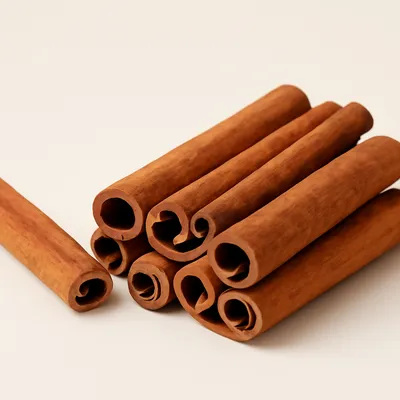
Combine peels with 200 g piloncillo (or brown sugar), 1 cinnamon stick, 4 cloves, 2 L water in a jar.
- 34320 min
Cover with cloth; ferment at 25 °C for 2–3 days until fizzy and rust-amber.
Watch outReady when it fizzes and smells sweet-tart like cider; push past that and it turns sharp and vinegary — bottle the moment it's lively.
- 45 min
Strain into bottles; refrigerate; serve very cold.
Watch outCover with cloth, never seal — a closed jar builds pressure and can blow; the ferment needs to breathe.


