The signature ceviche of Sinaloa: fresh fish (usually sierra or mackerel) cured in lime juice with tomato, cucumber, red onion, and a generous amount of clamato (clam-tomato juice), giving it a distinctive reddish color and briny depth. More saucy and less chunky than other ceviches, Sinaloa ceviche is eaten on tostadas with avocado and hot sauce — a defining dish of Mazatlán and the Sinaloa coast.

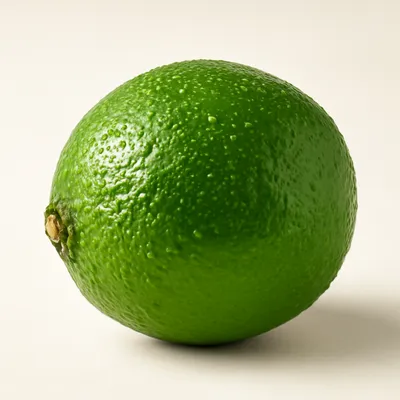


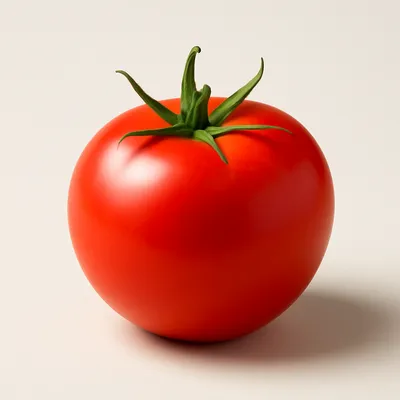

El ceviche sinaloense is the defining ceviche of Sinaloa state, particularly the port city of Mazatlán. Sinaloa's Pacific coast has a rich fishing tradition; the dish evolved as a way to showcase fresh fish in a refreshing, citrus-cured form. What distinguishes Sinaloa-style ceviche from other regional versions is the use of clamato (a commercial blend of clam juice and tomato juice), which gives the ceviche its characteristic red-orange color and briny depth. The dish is the centerpiece of Sinaloa's beachside cuisine, sold from stalls along the Malecón in Mazatlán.
A tostada topped with ceviche sinaloense presents a chunky, red-orange fish mixture in a shallow pool of clamato-lime broth. The first bite is bright, briny, and tangy — the fish is citrus-cured and firm; the clamato adds tomatoey depth and clam salinity; the cucumber and onion add fresh crunch. Served cold with sliced avocado and a splash of hot sauce.
Ceviche sinaloense's character rests on the lime-and-clamato cure. The fish (cut into small cubes) is cured in fresh lime juice (whose citric acid denatures the surface proteins, turning the fish opaque) for 15-20 minutes. Clamato (a commercial clam-tomato juice blend) is then added, contributing glutamates (umami), briny salinity, and a red-orange color (from the tomato). The combination of acid (lime) and umami-salt (clamato) creates a complex savory profile distinct from purely citrus-cured ceviches. The vegetables (cucumber, tomato, red onion) add fresh crunch and sweetness that balance the salty-sour broth.
Variations
Sierra mackerel is traditional; shrimp or mixed seafood versions exist; the clamato-to-lime ratio varies; some add ketchup.
On the Palate
Where Ceviche Sinaloense sits in the Mexican flavor cloud
Ingredients
Serves 4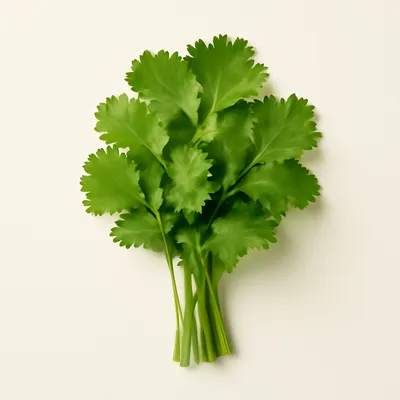

How it's made
6 steps · 15 min active + 10 min waiting
- 15 min
Cut very fresh sierra (or mackerel) fillet into small cubes.
- 220 min
Cover with fresh lime juice in a glass bowl; refrigerate 15-20 minutes until fish is opaque.
Watch outCure the fish in lime just 15–20 minutes until opaque, then drain most of it off — leave it longer and the acid keeps cooking the fish tough and dry.
- 32 min
Drain most of the lime juice (leave a little for moisture).
- 43 min
Add clamato (about 1 cup per pound of fish), diced cucumber, tomato, red onion, and minced serrano chile.
Watch outAdd the clamato only after the lime cure — it brings the briny, umami-tomato depth that lifts this above a plain citrus ceviche.
- 52 min
Add chopped cilantro, a splash of olive oil, and salt; toss gently.
- 61 min
Serve on tostadas with sliced avocado and hot sauce.


