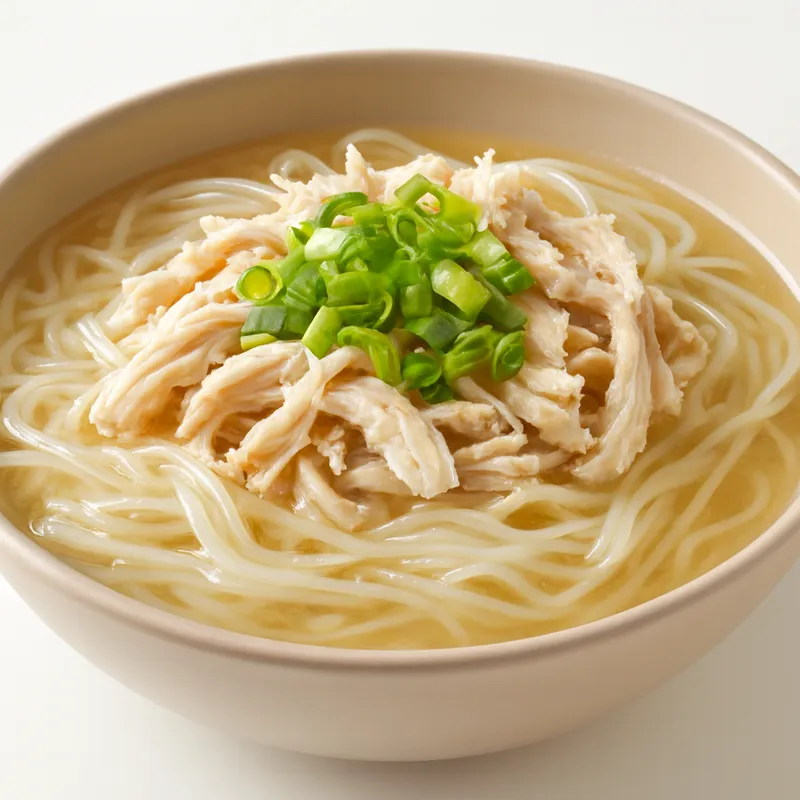
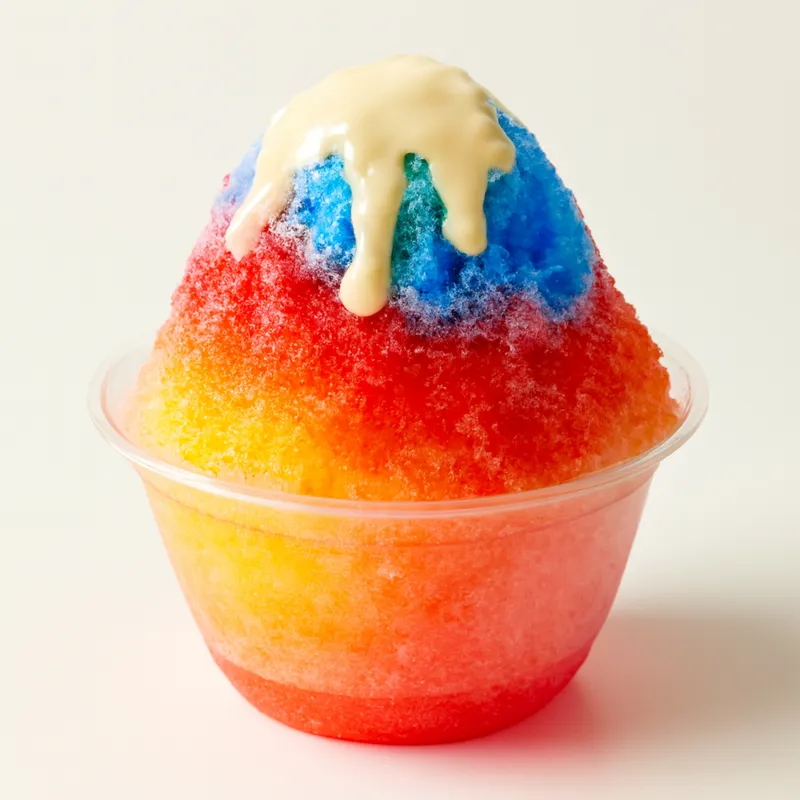
Hawaii's beloved salty-sweet-sour preserved plum: dried Chinese plums (huamei) cured with salt, sugar, and licorice into a chewy, intensely flavored snack. The signature taste of island crack-seed culture, and even more ubiquitous in its ground red-brown powder form, which dusts everything from fresh fruit to margarita rims.
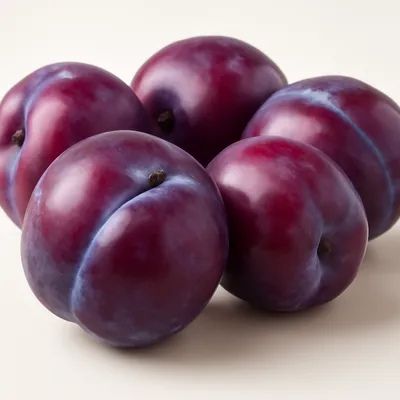


Li hing mui means traveling plum in Cantonese, and travel it did: the salty dried plum came to Hawaii in the late 19th and early 20th centuries with Chinese laborers from Guangdong, said to include many from the Zhongshan area, who worked the sugar plantations. Homesick for the preserved-fruit snacks of southern China, they brought the technique of curing plums with salt, sugar, and licorice. In Hawaii the snack took on a life of its own as the heart of crack seed culture, sold by the piece from big jars at neighborhood crack-seed shops; the name crack seed is said to come from the way the pit cracks open during repeated salting and drying. The powdered form became an island obsession, sprinkled over pineapple, mango, gummy candy, and even cocktails.
A jolt of salt and sour hits first, then a slow sweet-and-herbal wave from the licorice cure, all wrapped in a leathery, chewy plum you work down to the seed. It is wildly intense and mouth-watering, the kind of snack that makes you pucker and reach for another.
The plums are layered with salt and cured in crocks, where osmosis draws out their water, both preserving them and concentrating the flavor while the fruit's own acids stay sharp. They are then partly de-salted, sun-dried over repeated cycles for that chewy, leathery texture, and finally steeped in a syrup of simmered licorice, sugar, and a touch of sweetener (saccharin or aspartame) so glycyrrhizin sweetness and herbal aroma balance the aggressive salt and sour. The powder is this same cured plum (often the skin) ground with licorice, salt, sugar, and sweetener, then tinted with red coloring into the signature red-brown dust.
Variations
Salty li hing mui (the original); sweet li hing mui with extra sugar glaze; seedless li hing strips; li hing powder for dusting fruit and candy; li hing-flavored gummy bears, dried mango, and cocktail rims.
On the Palate
Where Li Hing Mui sits in the Hawaiian flavor cloud
Ingredients
Serves 20How it's made
8 steps · 20 min
- 110 min
Start with firm, ripe plums; wash them and pat completely dry.
- 24320 min
Pack the plums in a layer of coarse salt and let them cure for several days until they soften and release juice.
Watch outThe salt cure is done when the plums have gone soft and a pool of juice has drawn out of them — that's the osmosis pulling their water and concentrating the flavor.
- 360 min
Rinse off the excess salt and lay the plums out to dry in the sun or a low dehydrator until shriveled but still pliable.
Watch outDry only until the skins wrinkle and shrivel but the fruit still bends without cracking — bone-dry plums lose their chew.
- 410 min
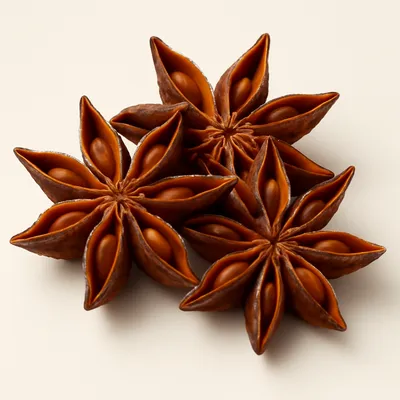
Make a seasoning syrup by dissolving sugar with crushed licorice root and a little star anise.
- 55 min
Toss the dried plums in the sweet-spiced syrup until well coated.
- 61440 min
Return them to dry again so the seasoning concentrates onto the chewy fruit.
Watch outDry them a second time just until the syrup no longer feels wet on the surface — that's when the seasoning has set onto the fruit.
- 715 min
For li hing powder, grind dried seasoned plum with salt, sugar, licorice, and anise to a fine red dust.
- 85 min
Store the plums or powder in a sealed jar; sprinkle the powder over fresh fruit or use it to rim drinks.