The Japanese-Peruvian reading of Peru's national dish. Sashimi-grade fish is cut into clean cubes or thick slices and cured for only a minute or two in a leche de tigre that has been sharpened with soy sauce, fresh ginger and a few drops of sesame oil. The cut is cleaner, the marinade briefer and the seasoning more umami-forward than a coastal ceviche, so the fish stays glossy and barely set. It is finished with red onion, aji limo and cilantro, and often a scatter of toasted sesame.

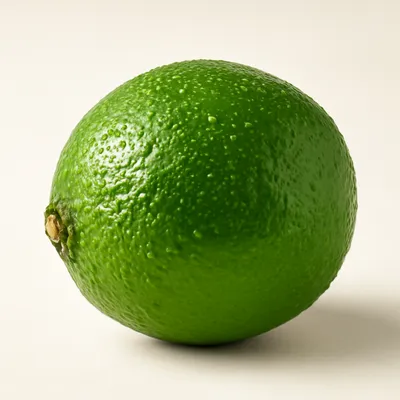
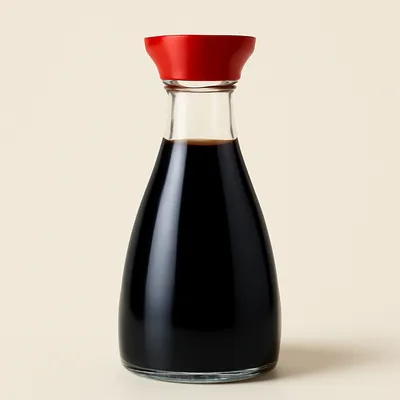



Nikkei cuisine grew out of Japanese immigration to Peru, which began when the Sakura Maru landed 790 contract laborers at the port of Callao on 3 April 1899, most of them from the Hiroshima, Yamaguchi and Niigata prefectures. Cooks among the immigrants and their descendants brought a sashimi sensibility — clean knife work, very fresh fish and a lighter hand with the marinade — to Peru's ceviche, and grafted soy, ginger and sesame onto the native chili-and-citrus base. The result is less a single invented recipe than a whole approach: where a Lima ceviche leans on lime and aji, the Nikkei version pulls the same fish toward Japanese umami while keeping it Peruvian at heart.
Cool, glossy cubes of barely-set fish with a clean snap, sitting in a marinade that reads bright and sour first, then turns savory from the soy with a low warm hum of ginger. The sesame oil shows up as aroma more than taste, and the aji limo adds a sharp tropical heat at the back. Toasted sesame and slivered red onion give crunch against the silky fish.
As in any ceviche, the citric acid denatures the proteins on the fish surface, firming it without heat — but here the contact time is cut to a minute or two so the fish stays translucent and only just set, closer to sashimi than to a cooked cube. Soy sauce brings glutamates that read as savory depth, ginger contributes a bright pungency, and a few drops of sesame oil carry aroma; all three are stirred into the leche de tigre rather than the fish, so they season without overwhelming. Because the cure is so brief, the fish must be sushi-grade and ice-cold.
Variations
Tuna and salmon are common alongside white-fleshed sea bass; some cooks add a touch of dashi or yuzu to the leche de tigre; a nikkei mixto folds in octopus and squid; and a richer style finishes with avocado and a few beads of tobiko.
On the Palate
Where Ceviche Nikkei sits in the Peruvian flavor cloud
Ingredients
Serves 4

How it's made
7 steps · 20 min
- 16 min
Make the leche de tigre: blend lime juice, a little fish trim, garlic, ginger, aji limo, cilantro stems and ice, then strain.
- 22 min
Stir soy sauce and a few drops of sesame oil into the strained marinade and chill it hard.
- 34 min
Cut sushi-grade fish into clean half-inch cubes or thick slices and keep on ice.
Watch outCut the fish clean and keep it ice-cold and sushi-grade — the cure is so brief the fish must be safe raw and firm.
- 43 min
Slice red onion paper-thin and rinse it in cold water to soften the bite.
- 52 min
Toss the fish with the Nikkei leche de tigre and cure for just one to two minutes.
Watch outCure the fish just one to two minutes — long enough to firm the surface but keep it translucent, closer to sashimi than a cooked cube; leave it longer and it turns opaque and rubbery.
- 61 min
Fold in the onion, cilantro leaves and a little fresh aji limo.
- 72 min
Plate at once, spoon over extra marinade, and finish with toasted sesame.
Archive tool suggestions — not reviewed
These legacy suggestions have not been evidence-reviewed and are not presented as required tools.



