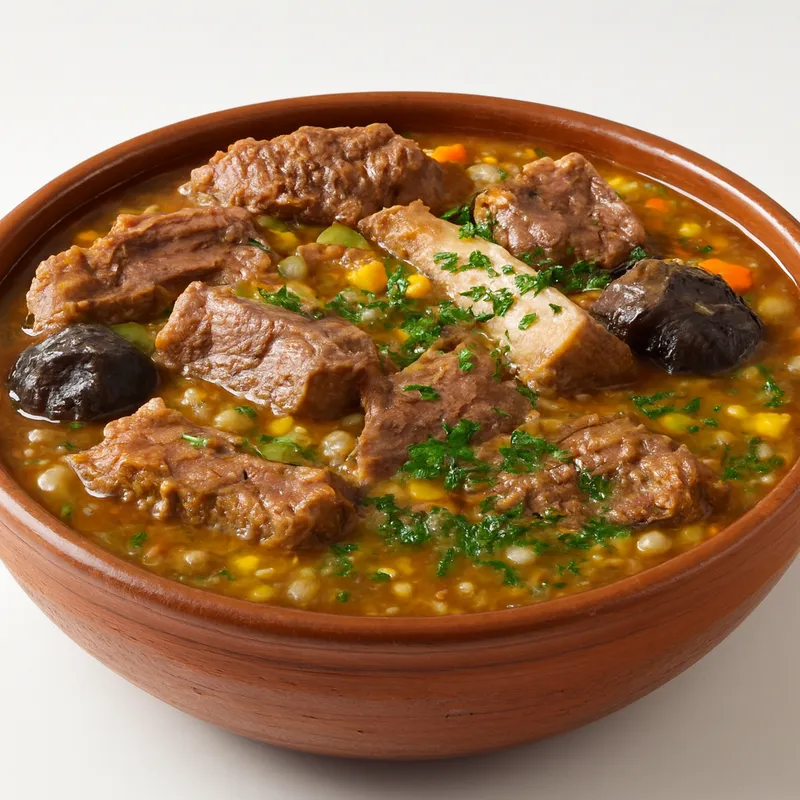
Arroz con Mariscos is Peru's seafood-rice cousin to Spanish paella — colonial-era fusion of Spanish technique (Valencian arroz) with Peruvian Pacific seafood and ají. The dish uses short-grain rice (like paella) but uniquely incorporates ají amarillo + ají panca + Peruvian herbs (huacatay or cilantro) + queso fresco. Lima and Callao restaurants serve it as a Sunday family lunch dish; the coastal Tacna-Arequipa region adds local fresh seafood. The dish must contain at least 3 seafood types; restaurants showcase their mariscos selection.
A scoop of arroz con mariscos: golden saffron-and-ají-amarillo rice studded with pink shrimp, white squid rings, opened mussel shells, plump clams, white fish cubes, green peas, white queso fresco crumbles. The first bite — rice + shrimp + squid + a piece of queso fresco — is Peruvian Pacific in one mouthful: rich, savory, mildly spicy from ají amarillo, fragrant from saffron. The cheese partially melts into the rice. Lime brightens. Eat family-style from the pan, 4 people sharing.
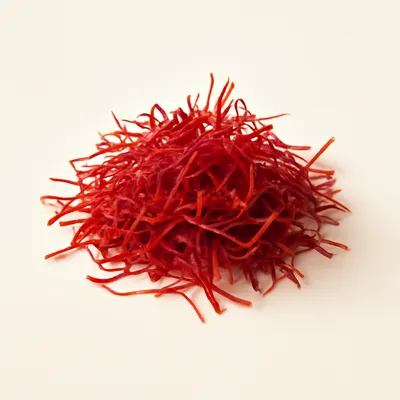
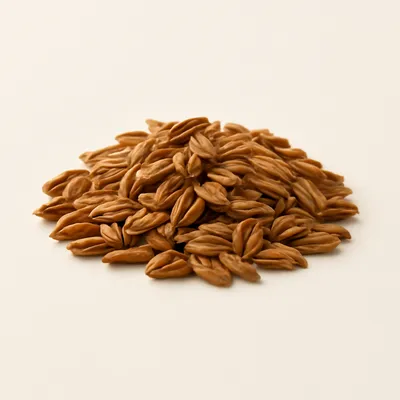
Layered seafood addition is critical: squid takes 8-10 min to cook tender (otherwise rubbery); mussels/clams 5-7 min; fish/shrimp 4-5 min. Adding all at once means some are overcooked, others raw. Short-grain rice is preferred for its starchy texture that holds the seafood broth; long-grain rice would be too separate. The golden-orange color comes from ají amarillo and the shrimp/shellfish coral, not from saffron — saffron belongs to Spanish paella, not the Peruvian dish.
Variations
Lima canonical with mixed seafood + ají amarillo + queso fresco; Tacna southern coastal adds octopus and sea snails; modern Lima fine-dining serves 'Arroz con Mariscos Negro' (squid-ink black version); commercial frozen mixed seafood blend is acceptable; the dish is the Peruvian answer to paella but uses a different rice technique (more like risotto, less like paella's crispy bottom).
On the Palate
Where Arroz con Mariscos sits in the Peruvian flavor cloud
Ingredients
Serves 4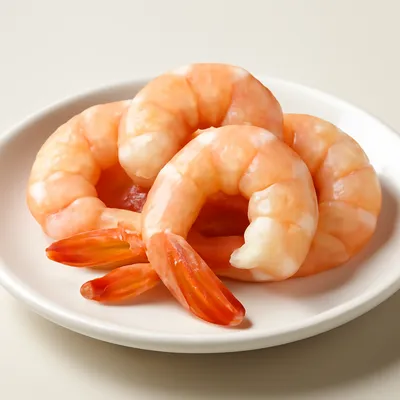













How it's made
8 steps · 35 min active + 15 min waiting
- 15 min
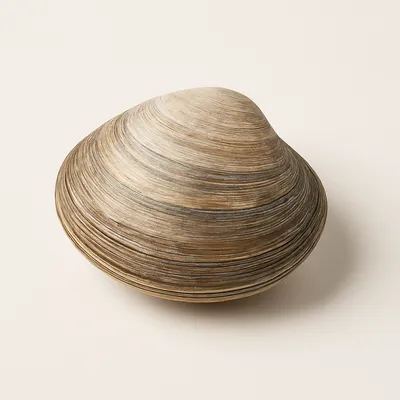
Prep mixed seafood: 200g large shrimp (peeled, deveined) + 200g squid rings (cleaned) + 200g mussels in shell (cleaned, beards removed) + 200g small clams (scrubbed) + 200g firm white fish (sea bass or mahi-mahi, cut in 2cm cubes).
- 217 min
Make seafood stock: in a saucepan, simmer shrimp shells + 1 chopped onion + 1 celery + 1 bay leaf in 1L water for 15 min. Strain; reserve 700ml.
- 39 min
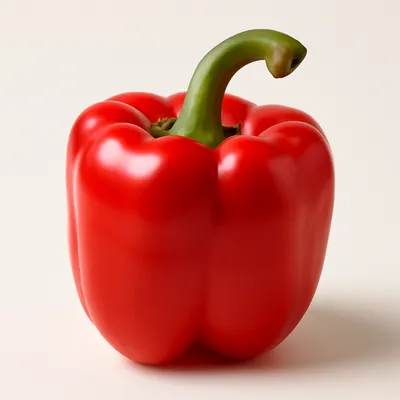
In a wide heavy pot or paella pan, sauté 1 finely chopped onion + 4 minced garlic cloves + 1 chopped red bell pepper in 4 tbsp neutral oil over medium-high heat, 8 min.
Watch outSauté the onion, garlic and pepper until the onion goes soft and translucent with no raw bite left — this base carries the whole rice.
- 44 min
Add 2 tbsp ají amarillo paste + 1 tbsp ají panca paste + 1 tsp ground cumin + 1 tsp paprika + 1/4 tsp saffron threads (steeped in 2 tbsp hot water); stir 2 min.
- 514 min
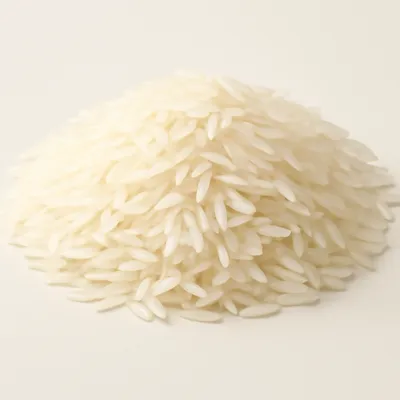
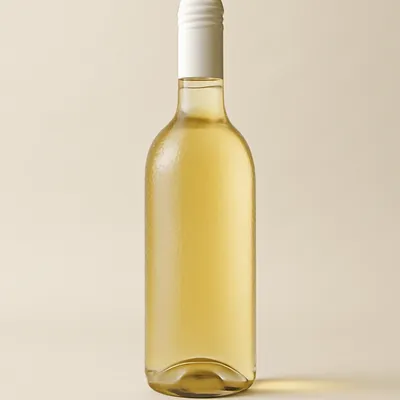
Add 2 cups short-grain white rice; stir to coat. Add 700ml hot seafood stock + 1/2 cup dry white wine + 1 tsp salt. Bring to a boil; reduce to medium-low; cover; cook 12 min.
Watch outStir the raw rice in the oil until every grain glistens and turns translucent at the edges before the stock goes in — that coating keeps it from clumping.
- 610 min
Add the seafood in layers: first the squid (it needs more time), then the mussels and clams (shell-side-up), then the fish chunks, then the shrimp last. Cover; cook 8-10 min more until rice is tender, shellfish opens, and shrimp/fish are just cooked. Discard any unopened shellfish.
Watch outLayer the seafood by cook-time — squid first, then shellfish, then fish, shrimp last — so nothing turns rubbery; toss out any clam or mussel that stays shut.
- 76 min
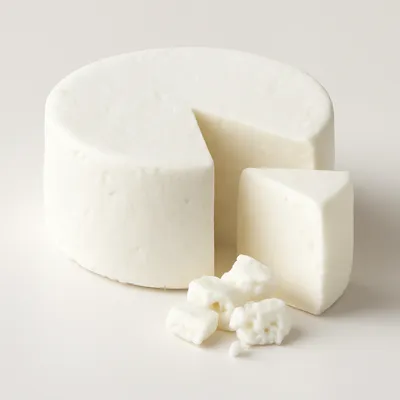
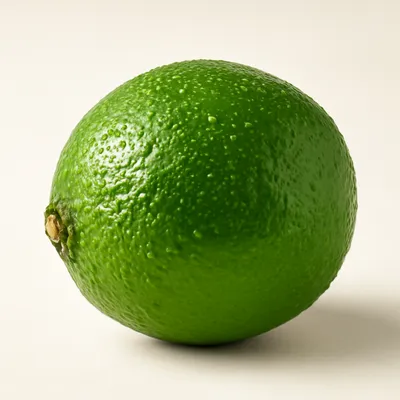
Off heat. Sprinkle 1/2 cup frozen peas (they'll thaw with residual heat) + 100g cubed queso fresco + 1/4 cup chopped fresh cilantro + a squeeze of lime. Let rest 5 min covered.
- 83 min
Plate: serve directly from the pan, family-style. Garnish with lemon wedges, fresh cilantro, and additional ají sauces on the side. Pair with white wine, Pisco Sour, or chilled Peruvian beer.
Archive tool suggestions — not reviewed
These legacy suggestions have not been evidence-reviewed and are not presented as required tools.

A wide, shallow, two-handled steel pan, 30-50 cm across, made for one purpose: to cook paella over an open wood fire so every grain of rice gets direct contact with the metal. The wide-and-shallow profile means the rice layer is thin (1.5-2 cm), maximizing the bottom socarrat — the prized golden-brown crust. Carbon-steel pans must be dried thoroughly after washing or they rust within a day.

Round metal pot, 14-26 cm diameter, with vertical walls and a long handle, designed for sauces, soups, oatmeal, rice, boiled vegetables. The vertical walls minimize evaporation (vs. a sauté pan). Sizes: 1 qt for melting butter, 2-3 qt for sauces, 4 qt for soups. Stainless-steel-clad aluminum or copper is best for conduction; cast-iron is too thick for delicate sauces.