Andean tuber-and-jerky stew — sliced olluco (Andean tuber, colorful pink-yellow-orange) sautéed with onion + ají amarillo, then simmered with charqui (Andean sun-dried beef jerky) until tender — pre-Columbian Andean staple still served in Cusco-Puno-Huancavelica.




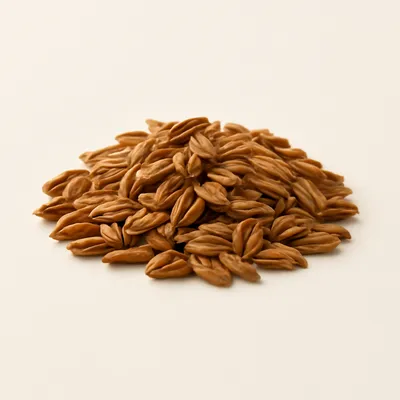
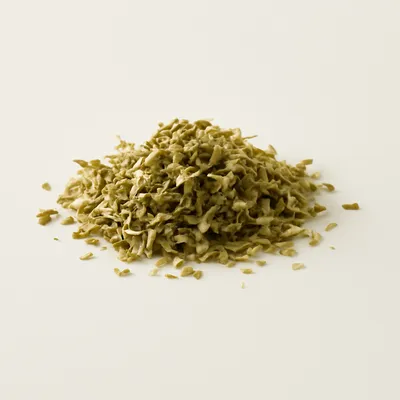
Olluquito con Charqui is one of Peru's oldest documented dishes — pre-Columbian Andean cooking using olluco (Ullucus tuberosus, a colorful Andean tuber predating potato by millennia in Andean agriculture) and charqui (sun-and-altitude-dried llama or alpaca meat jerky, the original 'jerky' — the English word comes from Quechua 'ch'arki'). After Spanish colonization, beef charqui became more common than llama. The dish is still served in Cusco, Puno, Huancavelica, and Cajamarca; rural Andean households make it with home-dried meat and home-grown olluco. Modern Lima restaurants serve it as a regional showcase.
A plate of olluquito con charqui looks unmistakably Andean: orange-pink-yellow tuber slices in the colored sauce, shredded jerky running throughout. The olluco has an unusual texture — slightly slimy-tender (like okra but cleaner-tasting), starchy, mildly sweet. The charqui adds salty, chewy, meaty depth. Ají amarillo and huacatay give it the high-altitude Peruvian flavor. Eaten with quinoa or rice — a dish that has been made for 3,000 years.
Olluco has a unique cell-wall composition different from potato — it contains betalain pigments (responsible for the colorful skin and flesh) plus mucilage that gives the slightly slimy texture. Overcooking destroys both, so timing matters. Charqui's rehydration releases natural umami compounds; using fresh meat as substitute loses ~70% of the dish's character. Huacatay (black mint, Tagetes minuta) is the canonical Andean herb — its peppery-pine flavor is unlike anything else.
Variations
Cusco-Puno canonical with charqui + olluco + huacatay; modern Lima restaurants offer 'Olluquito con Pollo' (chicken substitute, more accessible); commercial olluco is sold at Peruvian-American grocers in jars (acceptable); the dish is naturally pre-Columbian.
On the Palate
Where Olluquito con Charqui sits in the Peruvian flavor cloud
Ingredients
Serves 4


How it's made
7 steps · 35 min active + 25 min waiting
- 110 min
Procure 600g olluco (sold at Peruvian-American grocers or Andean specialty shops; sometimes called 'papa lisa'). If unavailable, substitute with 600g new potatoes + a tablespoon of beet juice for color. Wash thoroughly; slice into 5mm rounds.
- 232 min
Soak 200g charqui (Andean dried beef; substitute with high-quality beef jerky cut into strips, or 300g fresh beef cubes if no jerky available) in warm water 30 min to rehydrate; drain; shred or chop.
Watch outSoak the charqui until it's pliable and shreddable — the rehydration is what releases its savory depth; skip it and the dish loses most of its character.
- 39 min
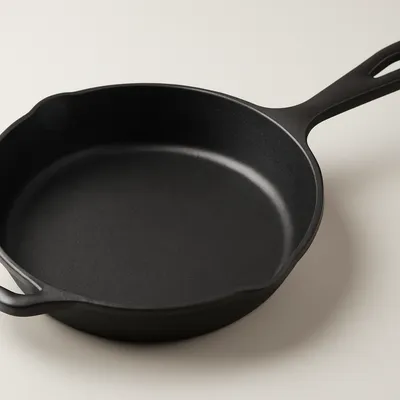
In a heavy skillet, sauté 1 chopped onion + 4 minced garlic cloves + 1 tbsp ají amarillo paste + 1 tbsp ají panca paste in 3 tbsp neutral oil over medium heat, 8 min.
- 45 min
Add the rehydrated charqui; stir 5 min to integrate.
- 523 min
Add the sliced olluco + 1/2 cup chicken broth + 1 tsp ground cumin + 1 tsp oregano + 1 tsp salt. Cover; simmer 20-25 min until olluco is tender but still holds its shape (don't overcook; olluco becomes mushy fast).
Watch outPull the olluco while the slices still hold their round shape and just yield to a fork — it turns to mush fast, so check early and don't wander off.
- 61 min
Add 1/4 cup chopped huacatay or cilantro at the end. Adjust salt.
Watch outStir the huacatay in right at the end — its peppery-pine aroma fades if it simmers, so add off the heat to keep it bright.
- 73 min
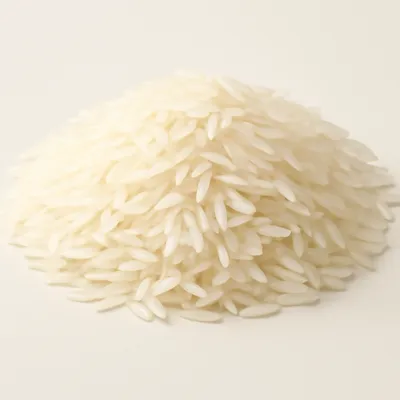
Plate: serve over white rice or quinoa, with a sprinkle of cilantro + sliced ají amarillo on top. Optional: a side of papa rellena or boiled choclo.
Archive tool suggestions — not reviewed
These legacy suggestions have not been evidence-reviewed and are not presented as required tools.