Andean dehydrated-potato scramble — chuño (freeze-dried Andean potato) rehydrated and sautéed with onion, queso fresco, ají amarillo and scrambled eggs into a hearty breakfast or quick lunch — the daily protein meal of Puno-Cusco rural households.
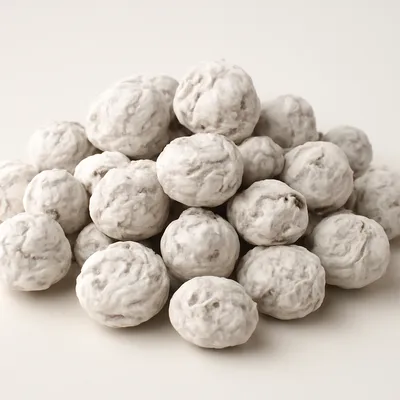




Chuño Phuti is the daily breakfast/lunch of Andean households in Puno, Cusco, and the Lake Titicaca region. Chuño is freeze-dried potato — the traditional Andean preservation technique where potatoes are frozen at night (cold Andean air at 4000m+ altitude), thawed in day sun, and squeezed of water, repeated for 5-10 days. The resulting chuño can be stored for 20+ years. The dish reflects Andean ingenuity in both detoxifying and preserving the potato — Peru's national symbol. The high-altitude potatoes are naturally bitter and toxic (high in glycoalkaloids/solanine); the night-freeze, foot-treading, and day-sun cycle draws the toxins out through the split skins while removing water, turning a bitter potato that lasts one year into edible chuño that keeps for 20+ years. Modern Lima restaurants serve chuño phuti as an Andean specialty; rural Cusco households make it daily.
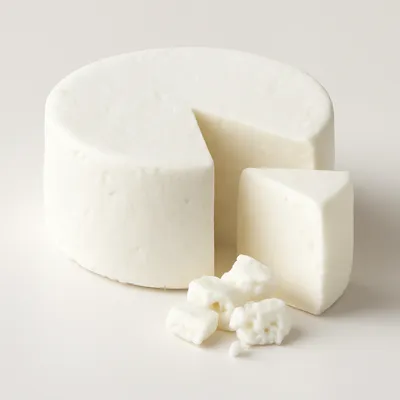
Chuño Phuti is uniquely Andean: dehydrated-then-rehydrated potato has a fibrous-chewy texture (very different from fresh potato), now coated in yellow ají sauce with scrambled eggs and melted queso fresco throughout. The first bite: chuño's gentle smoky-earthy flavor (from the freeze-drying process), creamy egg, salty cheese, ají heat. Eaten daily at altitude in Cusco-Puno households as a hearty quick meal. Pair with mote corn for a complete Andean breakfast.
Chuño's distinctive fibrous-chewy texture results from the freeze-drying process: water expands during freezing, breaking cell walls; thawing + squeezing removes the water; multiple cycles concentrate the starch network. Modern industrial freeze-drying uses similar principles but produces less-distinctive texture. Rehydration only partially restores moisture; the result has a unique texture impossible with fresh potato.
Variations
Puno-Cusco canonical with chuño negro + queso fresco + scrambled egg; rural Bolivia variant uses chuño blanco (white chuño, lighter); modern Lima restaurants serve 'Chuño Cola' (chuño in soup, different dish); commercial chuño is sold internationally at Andean specialty shops.
On the Palate
Where Chuño Phuti sits in the Peruvian flavor cloud
Ingredients
Serves 4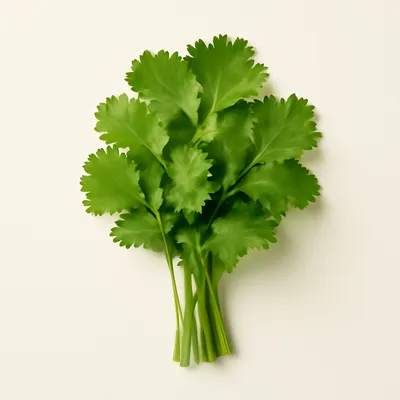



How it's made
8 steps · 25 min active + 15 min waiting
- 1490 min
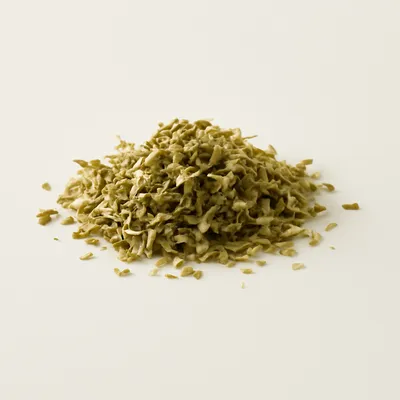
Soak 300g chuño negro (black chuño; sold at Peruvian-American grocers or Andean specialty shops) in cold water overnight (8-12 hours). Drain; squeeze excess water; chop coarsely. (Substitute with rehydrated dehydrated potato or 600g fresh diced potato + 2 hours of drying if chuño unavailable.)
Watch outAfter the overnight soak, squeeze the chuño hard until it stops dripping — leftover water makes it mushy instead of that signature chewy bite.
- 28 min
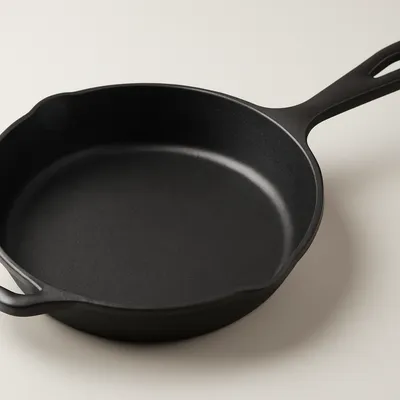
In a large skillet, melt 2 tbsp butter + 2 tbsp neutral oil over medium heat. Add 1 chopped onion + 4 minced garlic cloves; sauté 6 min until soft.
- 33 min
Add 2 tbsp ají amarillo paste + 1 tsp ground cumin + 1 tsp oregano + 1 tsp salt; stir 2 min.
- 46 min
Add the rehydrated chuño; stir 5 min to integrate flavors. The chuño should turn yellow-orange from the ají.
Watch outToss until the chuño takes on an even yellow-orange stain from the ají — that color means the paste has coated every piece.
- 54 min
Crack 6 eggs directly into the skillet; stir gently to scramble lightly. Cook 3 min until eggs are just-set.
Watch outPull the eggs off the moment they set into soft folds and still look glossy — a few seconds too long and they go dry and grainy.
- 62 min
Add 200g queso fresco (crumbled); stir 1 min — the cheese should melt slightly.
- 71 min
Stir in 1/4 cup chopped fresh cilantro or huacatay.
- 83 min
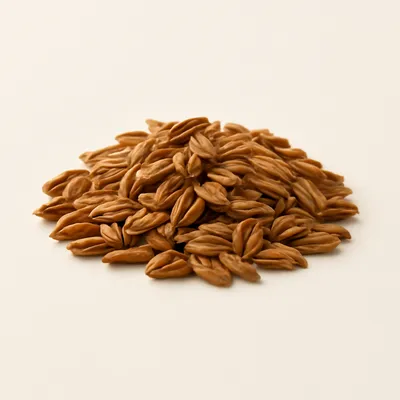
Serve hot in shallow bowls with a side of mote (large hominy corn) or boiled new potatoes. Optional: a side of salsa criolla and a wedge of lime.
Archive tool suggestions — not reviewed
These legacy suggestions have not been evidence-reviewed and are not presented as required tools.