Amazonian armored-catfish broth — carachama (the iconic prehistoric-looking Amazon catfish covered in armor plates) slow-simmered with garlic, cilantro, ají, plantain and yuca into a rich gelatinous broth — Iquitos's hangover and pregnancy-recovery soup.
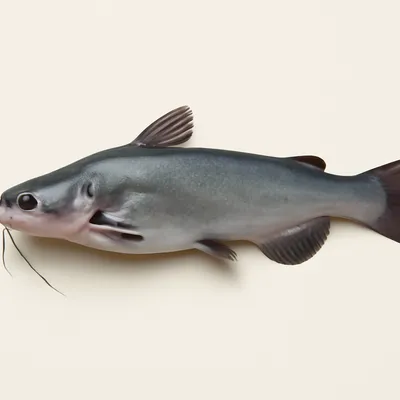





Carachama (Hypostomus plecostomus and related species, the armored catfish — covered in bony plates like prehistoric armor) is one of the most-celebrated Amazon fish. The fish has firm flesh and produces an extraordinarily gelatinous broth when slow-cooked — the result of high collagen in its thick skin and the connective tissue around its bony plates (the mineralized armor plates themselves yield little gelatin; the collagen comes from the skin/connective tissue). Iquitos folk medicine considers carachama broth a hangover cure and a postnatal recovery food for new mothers. The dish has been eaten by Amazonian Cocama and Shipibo communities for centuries; modern Iquitos restaurants serve it as both a local specialty and traditional folk remedy. The fish's dramatic appearance — armored and prehistoric-looking — is part of the experience.
Caldo de carachama is dramatic: golden-orange broth thick with gelatin (so rich it coats the spoon), the armored carachama portion visible in each bowl (its prehistoric armor-skin is one of the most-unusual fish appearances), plantain chunks, yuca, herb specks. The first spoonful: deeply fishy-collagen-rich broth, the carachama meat firm and slightly sweet (similar to other firm freshwater fish), the plantain soft and starchy. This is the traditional hangover-cure of Iquitos; Amazonian boatmen swear by it.
Carachama's armor-skin (composed of bony plates with high collagen content) is the source of the broth's extreme gelatinous richness. Slow simmering for 25-30 min extracts the collagen as gelatin, transforming the cooking liquid into a thick, mouth-coating broth — much richer than typical fish soup. The plantain and yuca absorb the broth flavors while providing starchy texture; both are pre-Columbian Amazonian staples.
Variations
Iquitos canonical with carachama + sachaculantro; Pucallpa variant uses zungaro fish (giant Amazon catfish); modern Lima Amazonian restaurants serve it as a tasting menu showcase; the dish is impossible to recreate properly without armored Amazon fish — substituting with regular catfish reduces the broth's gelatin character by ~70%.
On the Palate
Where Caldo de Carachama sits in the Peruvian flavor cloud
Ingredients
Serves 4



How it's made
7 steps · 35 min active + 40 min waiting
- 112 min
Buy 2 medium carachama fish (about 500g each; or substitute with whole armored catfish/'pleco' if you can find it; otherwise use sturdy whole catfish). Clean: gut, gills removed, but keep the armored skin on (it's the source of the broth's gelatin). Cut into 4 portions.
Watch outGut and clean the fish but leave the armored skin on — that tough hide is what melts down and gives the broth its body.
- 28 min
In a large pot, sauté 1 chopped onion + 6 minced garlic cloves + 1 tbsp ají amarillo paste + 1 tsp ground cumin in 2 tbsp neutral oil for 6 min.
- 35 min
Add 2L water + 1 chopped tomato + 1 sliced ají charapita + 1 tbsp annatto powder + 1 bay leaf + 2 tsp salt. Bring to a boil.
- 418 min
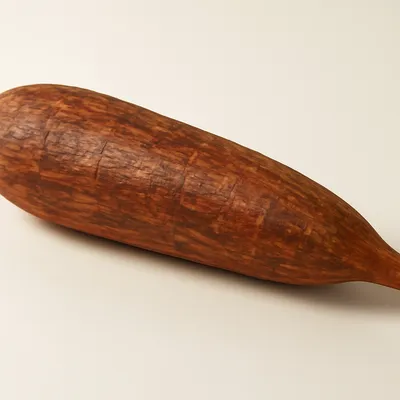
Add 1 large plantain (peeled, cut in 3cm rounds) + 400g yuca (peeled, cubed in 3cm pieces). Simmer 15 min.
- 528 min
Add the carachama portions. Simmer 25-30 min — the broth will thicken visibly as the fish releases its gelatin. The fish should be cooked through and the plantain and yuca tender.
Watch outSimmer low and slow — you'll see the broth thicken and coat the spoon as the fish gives up its collagen; it should set to a soft jelly when cooled.
- 61 min
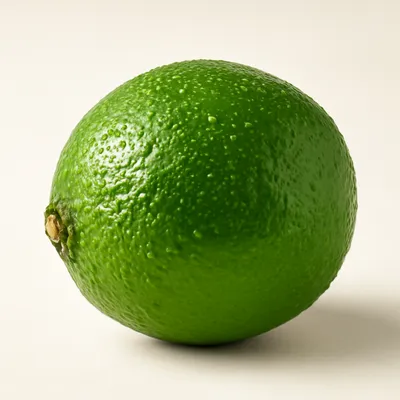
Stir in 1/2 cup chopped sachaculantro (or cilantro) + 2 tbsp lime juice. Adjust salt.
- 73 min
Serve: each bowl gets 1 piece of carachama (with the armored skin — eat around it or peel back) + plantain + yuca + broth. Garnish with chopped scallion and a wedge of lime. The broth should be visibly gelatinous-rich (cools to a softly-set jelly). Drink with cold beer.
Archive tool suggestions — not reviewed
These legacy suggestions have not been evidence-reviewed and are not presented as required tools.