Amazonian river-fish soup — fresh river fish (boquichico, carachama, etc.) boiled with sliced plantain, ají charapita, sachaculantro (jungle cilantro), garlic and salt, finished with a beaten egg stirred in, into a clear-broth aromatic soup — Iquitos's market lunch staple, served in metal cups at the bus station.




Timbuche (the name is Quechua for "boiled") is the Peruvian Amazon's everyday fish soup, common throughout the Loreto and Ucayali regions (Iquitos, Pucallpa), simple and refreshing — a clear-broth fish soup made with whatever river fish is fresh that morning, plus the iconic Amazon herbs sachaculantro (Eryngium foetidum, jungle cilantro) and ají charapita. The dish is served quickly at Iquitos markets and bus stations in metal cups, eaten with a piece of plantain. It's an everyday lunch for Amazon workers — not an elaborate restaurant dish, but a deeply local one that captures Amazonian flavors.
A metal cup of timbuche is Iquitos market food: clear orange-tinted broth, a small whole fish curled in the cup with head intact, slices of warm plantain visible, jungle herb specks. The first spoonful: deeply fishy-aromatic broth, sachaculantro's distinct earthy-clove flavor (unlike Western cilantro), ají charapita's tropical heat. Eat the soft plantain with the fish; everything tastes of the Amazon. Cheap, fast, deeply local — a perfect Iquitos market lunch.
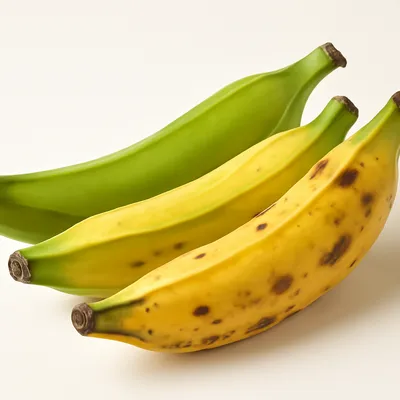
Sachaculantro (Eryngium foetidum) is an Amazon herb with a stronger, more-complex flavor than Western cilantro — its essential oils contain dodecanal and other unique aldehydes. Substituting with regular cilantro loses ~40% of the dish's character. The plantain in the soup absorbs the broth flavor while providing soft starchy bites; very ripe plantains are sweeter (yellow), while less-ripe ones (green-yellow) are starchier — both work.
Variations
Iquitos canonical with sachaculantro + ají charapita + plantain; Pucallpa variant uses palm shoots; commercial sachaculantro powder is sold internationally but the fresh leaf is dramatically better; the dish is naturally gluten-free.
On the Palate
Where Timbuche sits in the Peruvian flavor cloud
Ingredients
Serves 6
How it's made
6 steps · 30 min active + 30 min waiting
- 112 min
Buy 600g small whole Amazon-style fish (or any small white river fish — substitute small tilapia, sardines, or small white-fleshed fish). Clean (gut, scale, remove gills); keep heads on (canonical Amazon style). If using larger fish, cut into 3-4 portions.
- 213 min
In a large pot, bring 2L water + 2 tsp salt + 4 sliced garlic cloves + 2 sliced ají charapita (or 1 tsp habanero) + 1 chopped onion + 1 tbsp annatto powder to a boil. Simmer 10 min.
- 39 min
Add 2 ripe plantains (peeled, sliced into 3cm rounds). Simmer 8 min.
- 48 min
Add the fish; gently lower in. Simmer 6-8 min until fish is just-cooked (flesh flakes easily but holds shape).
Watch outSlip the fish in gently and simmer just until the flesh flakes but still holds its shape — 6 to 8 minutes; a hard boil breaks small fish apart.
- 53 min
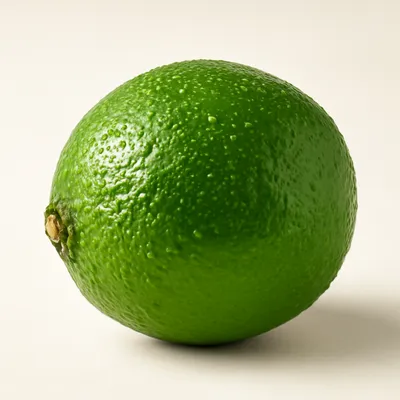
Add 1/4 cup chopped sachaculantro (or substitute with cilantro + 1/4 tsp ground cumin to approximate). Add 2 tbsp lime juice. Adjust salt.
Watch outAdd the sachaculantro and lime right at the end, off the strong heat — its fragrance is delicate and boils away if you cook it in.
- 65 min
Serve in deep bowls or metal cups (Amazon style): 1 fish per bowl + plantain pieces + broth. Garnish with extra chopped sachaculantro. Eat with a lime wedge to brighten further. Bread or rice on the side.
Archive tool suggestions — not reviewed
These legacy suggestions have not been evidence-reviewed and are not presented as required tools.