Andean fried trout — whole fresh trout from Andean rivers (Cusco, Puno, Huancavelica), dusted with seasoned flour and pan-fried until skin crackles and flesh is tender, served with boiled potatoes, mote corn, and salsa criolla — Andean highland Sunday lunch.



Trout was introduced to Andean rivers and lakes in the early 20th century (originally from North America), and quickly became a staple Andean ingredient — Andean rivers are at 3000-4500m altitude, providing cold-water habitat for trout to thrive. Cusco, Puno (Lake Titicaca), Huancavelica, and Junín are the trout-producing regions. The dish is simple — flour-dusted whole trout, pan-fried — but the freshness of Andean-river trout makes it transcendent. Served at every Andean lake-side restaurant (Cusco's Sacsayhuamán area, Puno's lakeside, Huancavelica's central highlands) with sides of boiled potatoes, mote (large hominy), and salsa criolla.
A whole trout on a plate, pink-flesh visible under the golden-crispy skin, is Andean simplicity perfected. The first bite: skin shatters like glass crackling, releasing buttery-savory fat; the flesh underneath is delicately flaky and sweet, with the clean cold-water-trout character. Sides matter: floury boiled potato soaks up oil; chewy mote provides starchy texture; bright salsa criolla cuts the richness. Pair with cold Andean beer at altitude in Cusco's San Blas plaza — this is highland lunch at its best.
Pan-frying whole trout requires high heat for skin crackling + gentle inner cooking. The flour-dusting creates a Maillard crust on the skin (golden color and crispness); butter in the oil mixture contributes flavor; high-heat oil + small amount of butter avoids the butter burning. Andean cold-water trout has firmer flesh and more concentrated flavor than warm-water/farmed trout.
Variations
Andean canonical with whole trout + boiled potatoes + mote + salsa criolla; Lake Titicaca Puno variant adds quinoa instead of potato; Pisco-coastal variant uses ocean fish (substituting for trout); commercial frozen trout works but the freshness is lost; the dish requires the fresh-cold-water trout for maximum impact.
On the Palate
Where Trucha Frita sits in the Peruvian flavor cloud
Ingredients
Serves 4




How it's made
8 steps · 20 min active + 10 min waiting
- 112 min
Buy 4 whole fresh trout (about 350-400g each), cleaned (gutted, scaled, fins trimmed; head and tail intact). Pat completely dry inside and outside.
Watch outPat the trout bone-dry inside and out — any surface water and the skin steams instead of crisping and the flour turns gummy.
- 24 min
Season inside the cavity and outside with 1.5 tsp salt + 1 tsp black pepper + 1/2 tsp ground cumin + the juice of 1 lemon. Let stand 10 min.
- 34 min
Make seasoned flour: in a wide bowl, combine 1.5 cups all-purpose flour + 1 tsp salt + 1/2 tsp paprika + 1/2 tsp garlic powder + 1/2 tsp dried oregano. Mix.
- 44 min
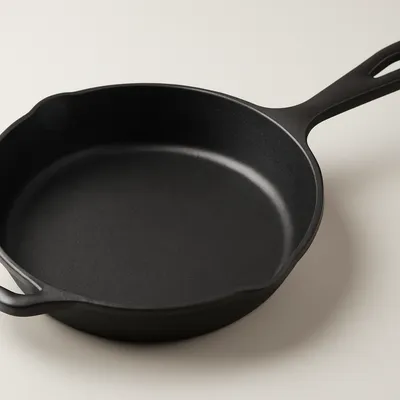
Heat 1cm vegetable oil + 2 tbsp butter in a large heavy skillet (cast iron is ideal) over medium-high heat. The oil should be hot but not smoking (about 175°C).
- 51 min
Dust each trout in the seasoned flour, shaking off excess. (Don't egg-wash; for trucha frita, the flour-and-butter method is canonical.)
Watch outDust in flour then shake off the excess — a thin even coat crisps golden; a thick clump goes pasty and pale.
- 69 min
Place 2 trout in the hot oil (don't crowd). Cook 4 min per side, basting with the hot oil to crisp the skin, until skin is golden-brown and crackling, and flesh is just-cooked (white and opaque). Repeat with the remaining 2 trout.
Watch outSpoon the hot oil over the skin as it fries — the skin should crackle and go golden-brown while the flesh turns just-opaque white; pull it the moment it's opaque.
- 71 min
Lift trout out onto warm plates. Drizzle with the remaining lemon juice + a few drops of olive oil. Garnish with fresh parsley.
- 84 min
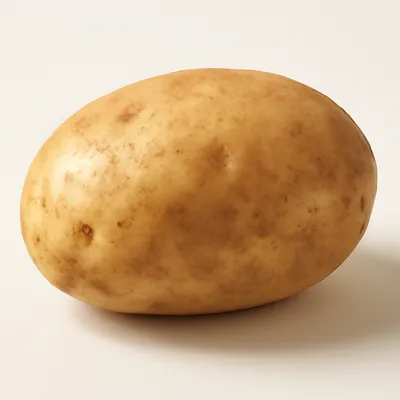
Sides: serve with 4-6 small boiled new potatoes (yellow, waxy) + 1 cup boiled mote (large hominy corn) + a generous portion of salsa criolla (sliced red onion + lime juice + cilantro + ají + salt). Pair with cold Pisco Sour or Cusqueña beer.
Archive tool suggestions — not reviewed
These legacy suggestions have not been evidence-reviewed and are not presented as required tools.