Chi jau kay is a chifa flagship: pieces of chicken battered and deep-fried, then bathed in a glossy, slightly sweet soy-and-ginger sauce thickened to a clinging glaze. The name comes from Cantonese for soy-sauce chicken, but the Peruvian dish has drifted well away from the classic poached Cantonese version into something crisp-then-sauced. It arrives shining and amber, usually over or beside white rice. The contrast of crunchy coating and sticky savory-sweet sauce is the whole point.





Chi jau kay belongs to chifa, the Chinese-Peruvian cuisine that took root after Cantonese laborers arrived in Peru between 1849 and 1874 and their descendants opened restaurants through the 20th century. Its name transliterates the Cantonese for soy-sauce chicken (si yau gai), a dish that in southern China is poached whole in a master soy stock. In Peruvian chifa the concept was reworked for the fried-and-glazed format popular locally, and the spelling chijaukay also names the bottled sweet-soy sauce sold for it. The fried interpretation is what Lima diners now expect under the name; the Cantonese poached original and the Peruvian version share a name and a soy base but little technique.
A shatter-crisp golden crust gives way to juicy chicken, all of it lacquered in a thick amber sauce that is sweet up front and deeply savory behind. Ginger and scallion cut through the richness; the glaze tugs at the teeth. Sticky-fingered, glossy and unabashedly indulgent.
The chicken is battered and fried hot so the coating sets crisp and seals in juice; it is sauced only at the end so the crust survives. The glaze is built by reducing soy, sugar and aromatics until it coats a spoon — sugar both balances the salt and gives the lacquer shine and cling. Tossing the fried pieces in the sauce briefly, off high heat, coats without resoftening the crust, which is why the dish must be served the moment it is plated.
Variations
Some kitchens add pineapple or bell pepper to push it toward sweet-and-sour territory; others keep the sauce darker and more savory with extra ginger. Versions vary in how thick the batter is, from a light dusting to a full crunchy shell. Pollo enrollado and related glazed-chicken plates share the same fried-and-lacquered logic.
On the Palate
Where Chi Jau Kay sits in the Peruvian flavor cloud
Ingredients
Serves 4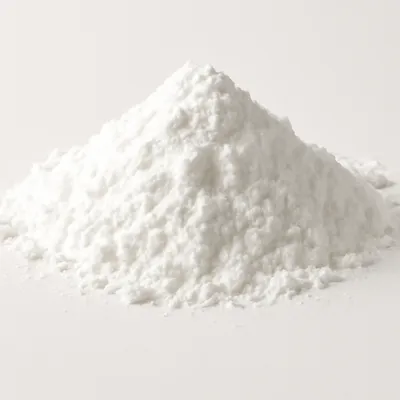

How it's made
8 steps · 30 min active + 10 min waiting
- 18 min
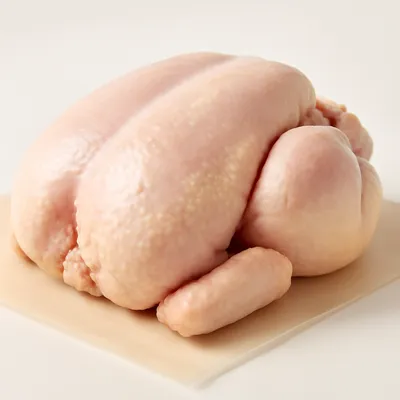
Cut chicken into bite-size pieces and season with salt, soy sauce and a little ginger.
- 26 min
Coat the pieces in a batter of cornstarch, flour, egg and water until evenly covered.
- 310 min
Heat oil for deep frying; fry the chicken in batches until golden and crisp, then drain.
Watch outFry the battered chicken hot until golden and crisp so the coating sets and seals in the juice — a cool oil leaves it greasy and soft, and no sauce can save a limp crust.
- 43 min
In a wok, briefly fry minced ginger, garlic and scallion whites until fragrant.
- 55 min
Add soy sauce, sugar, a little vinegar and stock; simmer until syrupy and glossy.
- 62 min
Thicken with a cornstarch slurry to a clinging glaze.
- 72 min
Toss the fried chicken in the sauce off high heat just to coat.
Watch outToss the fried chicken in the glaze off the heat, just to coat — do it briefly so the sauce clings without steaming the crust soft, then plate at once.
- 81 min
Scatter scallion greens and serve immediately over rice.


