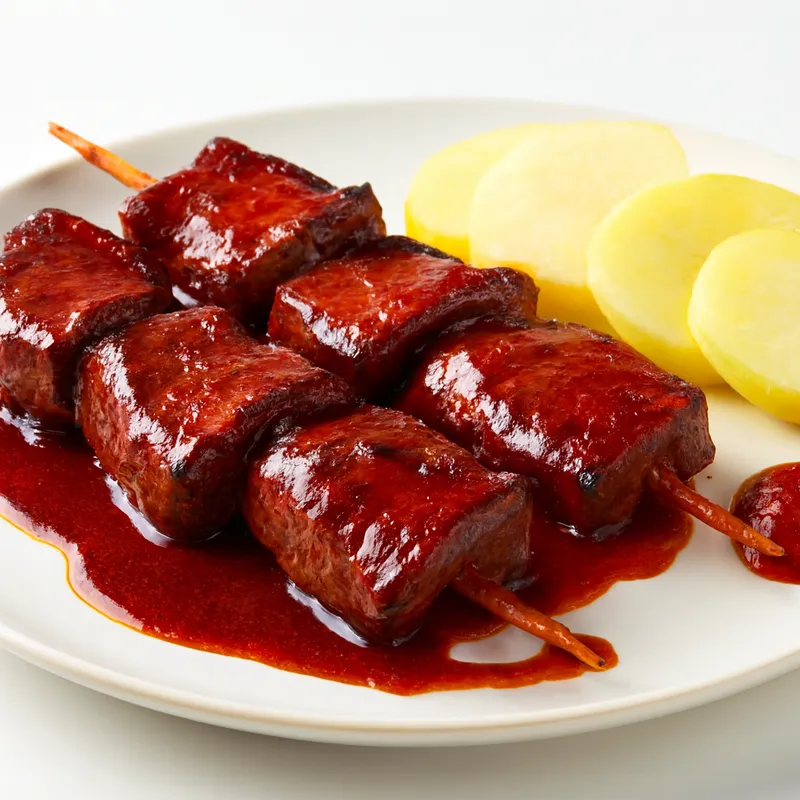
Watia is an Andean field dish in which potatoes — and sometimes other tubers, fava beans or meat — are baked in an oven built of dry earth clods raised right in the harvested field. The clods are heated by a fire until they glow, then the dome is collapsed onto the food, which bakes in the buried, radiant heat. Cooked at potato-harvest time in the dry highland months, it is eaten in the field with fresh cheese and a herb-and-ají salsa. It is the earth-clod cousin of pachamanca, which uses heated stones instead.




The word comes from Quechua watya (also wathiya), which names both the earth-clod oven and the food cooked in it. Watia is bound to the agricultural calendar: it is made in the dry season, roughly May to July, on fields just cleared of their potato crop, when the drying soil breaks into the firm clods the oven is built from — often around the June solstice. It belongs to the highlands of Peru and Bolivia, from Cusco to the Titicaca altiplano. An early documentary trace appears in the deity Huatiacuri of the Huarochirí Manuscript, set down around 1600.
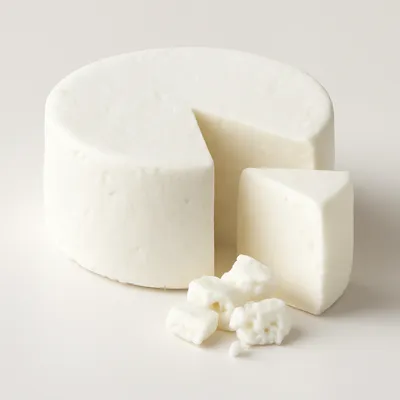
A potato pulled hot from the collapsed oven has a dry, smoky-earthy skin and a floury, steaming interior, cooked through by stored heat rather than water or oil — the taste is of the field itself. Broken open and pressed with a slab of fresh white cheese that softens against the heat, then dabbed with sharp green uchucuta, each bite runs from earthy and starchy to salty and bright. It is plain, ancient food, eaten outdoors with the hands at harvest.
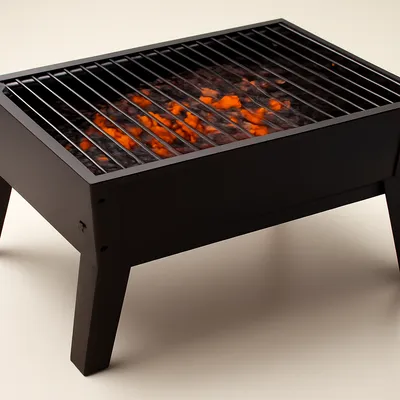
Watia is a retained-heat bake driven by thermal mass. A fire burns inside the dome of dense earth clods — fueled by quinoa stalks, ichu grass or dung — until the clods are heated through and glowing. The embers are then cleared or buried, the food is set on the hot floor, and the dome is collapsed over it so the stored heat radiates and conducts out of the clods to dry-roast the potatoes under a seal of earth. The heat is dry and steady, which is why the potatoes bake rather than steam, taking on their smoky, mealy character.
Variations
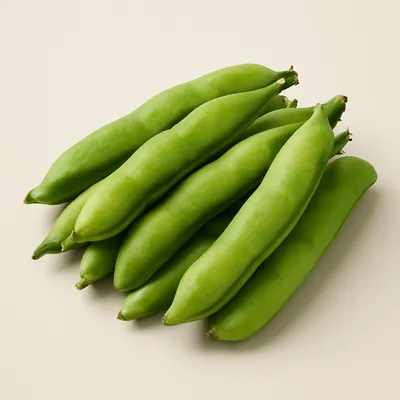
The purest harvest form is just potatoes, sometimes with oca, mashua or fava beans; meat such as cuy, llama or Titicaca trout is added where the meal is richer. The defining technique is the dome of earth clods, which sets it apart from pachamanca's heated stones — though the line blurs at the margins, and a stone variant of watia is sometimes described. It is always finished with fresh cheese and a herb-ají salsa: uchucuta, built on huacatay, in Peru, or llajwa in Bolivia.
On the Palate
Where Watia sits in the Peruvian flavor cloud
Ingredients
Serves 8
How it's made
8 steps · 40 min active + 50 min waiting
- 112 min
In a harvested field, build a small dome of dry earth clods over a shallow hollow, leaving a stoking gap.
- 225 min
Light a fire inside and feed it until the clods are heated through and glowing red.
Watch outFeed the fire until the earth clods are heated through and glowing red — that stored heat is what bakes the potatoes, so don't collapse the dome early.
- 310 min
While the oven heats, scrub the potatoes and make uchucuta by grinding huacatay, ají and salt to a rough green salsa.
- 45 min
Rake out or bury the embers, then quickly lay the potatoes on the hot floor of the oven.
- 56 min
Collapse the dome of hot clods over the potatoes, then cover the mound with loose earth to seal in the heat.
Watch outCollapse the hot clods over the potatoes and seal with loose earth — a tight earth seal traps the dry heat so they roast smoky and mealy, not steam.
- 640 min
Let the potatoes bake in the buried heat until tender, around forty minutes.
- 75 min
Dig out the potatoes, brushing off the soil.
- 83 min
Serve hot, broken open with fresh cheese and uchucuta.
Archive tool suggestions — not reviewed
These legacy suggestions have not been evidence-reviewed and are not presented as required tools.