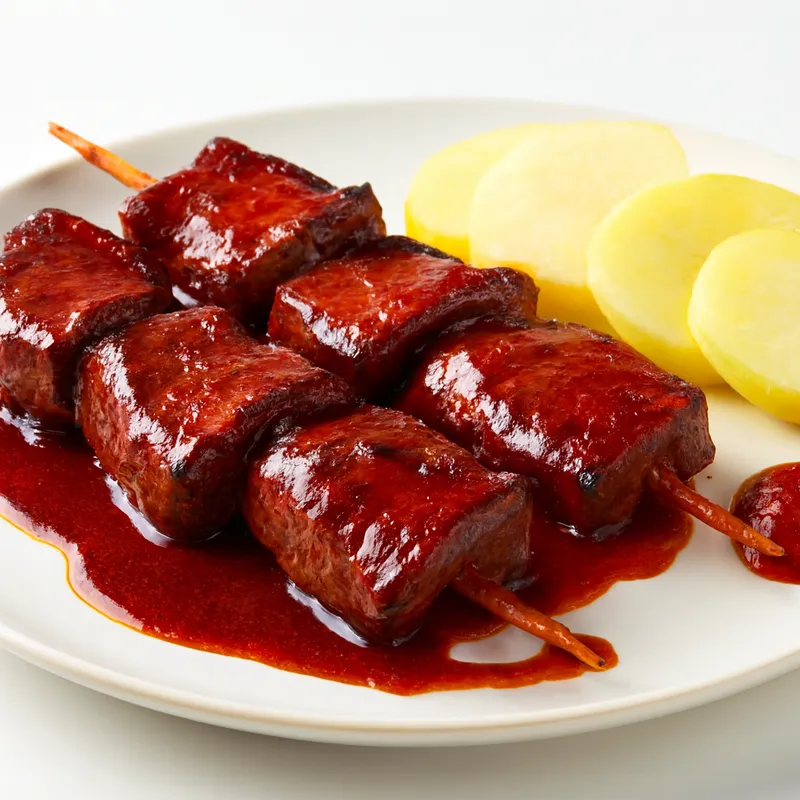
Cusco ceremonial cold plate — a 8-component composition of cold roasted cuy, dried llama jerky, blood sausage (morcilla), boiled chicken, cheese, seaweed, fish roe and corn tortilla — served only at Corpus Christi (June feast), the most ceremonial dish in Peruvian cooking.




Chiri Uchu ('cold aji' in Quechua) is the ceremonial dish of Corpus Christi in Cusco — served only during the June Catholic-Inca syncretic feast (the date varies by year, typically June 15-25). The dish dates to colonial-era Cusco when the Spanish Catholic feast of Corpus Christi (June, originally medieval European) merged with the Inca celebration of Inti Raymi (June 24, sun-festival). The dish's 8 components stand for ingredients from across the Inca Empire: cuy (Andean), llama jerky (Andean highlands), smoked sausage (Spanish), chicken (Spanish), cheese (Andean dairy), seaweed (Pacific coast), fish roe (Lake Titicaca), corn tortilla (Andean grain).
On the plate, Chiri Uchu is a spread of 8 distinct components, each a different flavor and texture. You eat it by assembly — a piece of cuy with a slice of cheese in a corn tortilla, folded; then jerky with roe and sauce; then chicken with seaweed and tortilla. Each combination is different. It's tied to Cusco's Corpus Christi in June; in season, look for a restaurant serving it.
Chiri Uchu's design is symbolic, not gastronomic — each component represents a region of pre-colonial Peru, and eating the assembly is meant to commemorate the unity of the Inca Empire under Spanish-Catholic religious framework. The dish is technically a 'plate assembly' rather than a cooked dish — preparation is more about sourcing and combining than transformation. The cold-served format honors Cusco's altitude (where serving warm food cools quickly in any case) and the slow June feast pace.
Variations
Cusco canonical with 8 traditional components; modern Lima Andean restaurants offer 'Chiri Uchu Light' with fewer components year-round (acceptable but not ceremonial); commercial pre-made chiri uchu plates exist at Cusco markets during the festival; the dish is impossible to make properly outside Cusco's June Corpus Christi context.
On the Palate
Where Chiri Uchu sits in the Peruvian flavor cloud
Ingredients
Serves 6


How it's made
12 steps · 1 hour 30 min active + 1 hour 30 min waiting
- 13 min
Prepare each component individually (this dish is more about assembly than cooking):
- 2130 min
1. Roast cuy: marinate 1 cuy in ají panca + cumin + garlic for 2 hours; roast at 200°C for 35 min until skin crackles. Cut into 6 portions; cool.
Watch outRoast the cuy until the skin crackles and blisters crisp — that glassy shatter is the whole point; pale limp skin means it's underdone.
- 330 min
2. Boil chicken: simmer 1 chicken breast in salted water + bay leaf for 25 min; cool; shred.
- 45 min
3. Cook llama jerky (charqui): pan-fry 100g llama or beef jerky 2 min per side; chop.
- 55 min
4. Slice smoked sausage: take 200g Cusco-style chorizo (Spanish-Andean style; substitute with smoked pork sausage); slice into 1cm rounds.
- 65 min
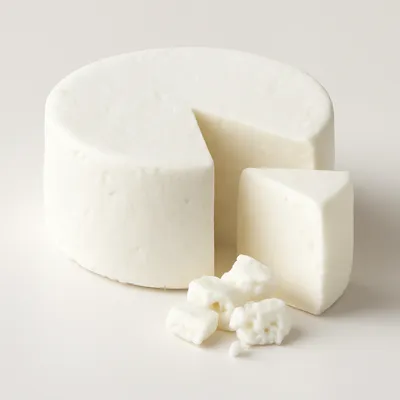
5. Cube queso fresco: 200g queso fresco, cut into 1cm cubes.
- 711 min
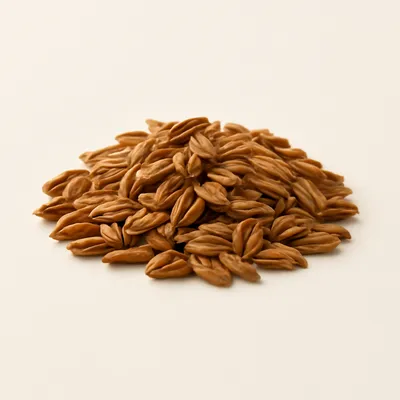
6. Soak seaweed: 30g cochayuyo (Andean dried freshwater seaweed; substitute with rehydrated dried sea cabbage); soak 10 min; chop.
- 85 min
7. Fish roe: 50g caviar or 50g cured fish eggs (huevera).
- 93 min
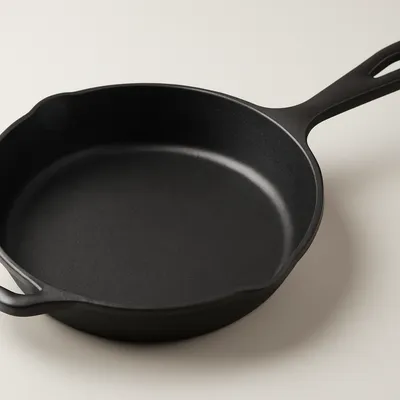
8. Make corn tortillas: cook 6 round corn tortillas in a dry skillet 90 sec per side until heated through.
Watch outHeat the tortillas in the dry pan just until warm and pliable — leave them on too long and they stiffen into crackers you can't fold.
- 106 min
Assemble: on each plate, arrange 1 piece of cuy + 1 small piece of chicken + 1 piece of jerky + 2 sausage slices + 4 cheese cubes + 1 tsp seaweed + 1 tsp fish roe + 1 corn tortilla folded.
- 115 min
Sauces: serve 3 small bowls alongside — rocoto sauce, ají amarillo sauce, and salsa criolla. Diners assemble their own bites.
- 122 min
The dish is served cold (room temperature). Pair with chicha morada (purple corn drink) or chicha de jora.
Archive tool suggestions — not reviewed
These legacy suggestions have not been evidence-reviewed and are not presented as required tools.