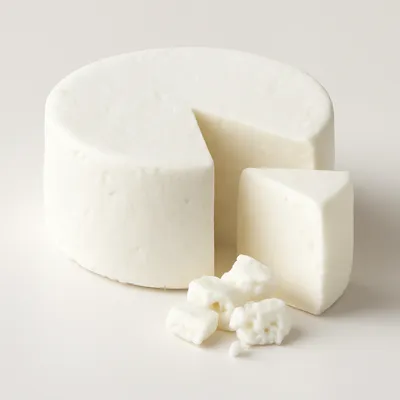
Ocopa is Arequipa's emblematic starter: boiled yellow potatoes blanketed in a thick, pale-green sauce built on huacatay (Andean black mint), toasted peanuts, ají mirasol, fresh cheese and a splash of evaporated milk. It is the southern-highland cousin of Lima's papa a la huancaína — same cold-potato format, but greener, nuttier and more aromatic from the herb-and-peanut base. The plate is finished with a black olive and a wedge of hard-boiled egg. It is everyday picantería fare, eaten as a first course.




Ocopa belongs to the picantería tradition of Arequipa in southern Peru — the old taverns where chicha (corn beer) was sold alongside spicy stews. Its defining ingredient, huacatay (Tagetes minuta, Andean black mint), is a pre-Hispanic Andean herb, and grinding sauces on a stone batán long predates the colonial era; the dish itself is generally treated as a regional folk preparation rather than one with a documented inventor or date. The name is widely linked to the Quechua word for this kind of ground sauce. The peanuts and cheese reflect the post-contact pantry, while the herb base keeps it rooted in the highlands.
Cold slices of yellow potato lie under a smooth, sage-green sauce, crowned with an olive and a wedge of egg. The first taste is rich and unmistakably nutty from the peanuts, then the huacatay opens up — herbal, faintly anise, almost minty — and the ají mirasol brings a warm, fruity heat at the back rather than a sharp burn. The cheese and evaporated milk round it into something creamy and clinging, thick enough to coat each slice evenly.
Everything hinges on the sauce, traditionally ground on a stone batán until completely smooth. The peanuts are toasted first to deepen their flavor and supply the oil and body that carry the herb; the ají mirasol (a sun-dried ají amarillo) is fried with onion and garlic to bloom its aroma before grinding. Huacatay is potent, so it is added in measured amounts — too much turns the sauce medicinal. Evaporated milk and a little bread or cracker emulsify the cheese-fat and chili-oil so the sauce stays creamy and does not split; the potatoes are boiled, cooled fully, then sauced cold.
Variations
The Arequipa canonical version leans on huacatay and toasted peanuts; some cooks add a toasted dried shrimp or a few walnuts for depth. Lima's papa a la huancaína is the close coastal relative, paler and built on ají amarillo without the herb. Beyond potatoes, the same ocopa sauce is spooned over boiled cassava or served as a dip, and a thinned version dresses noodles as tallarines a la ocopa.
On the Palate
Where Ocopa sits in the Peruvian flavor cloud
Ingredients
Serves 4


How it's made
7 steps · 25 min active + 10 min waiting
- 120 min
Boil the yellow potatoes in salted water until tender, then drain and cool completely before slicing.
Watch outBoil the potatoes tender, then cool them completely before slicing and saucing — ocopa is served cold, and a hot potato would thin the sauce and dull its creaminess.
- 24 min
Toast the peanuts in a dry pan until fragrant and lightly golden.
- 35 min
Fry chopped onion, garlic and torn ají mirasol in a little oil until soft and aromatic.
- 43 min
Combine peanuts, the fried ají mixture, huacatay leaves, fresh cheese, a piece of bread and evaporated milk in a blender or on a batán.
- 53 min
Grind to a completely smooth, pourable sauce, loosening with milk and seasoning with salt.
Watch outGrind to a completely smooth, pourable sauce, loosening with milk — the bread and evaporated milk emulsify the cheese-fat and chili-oil so it stays creamy; too thick and it won't nap the potatoes evenly.
- 63 min
Slice the cold potatoes and arrange over lettuce, then nap generously with the ocopa sauce.
- 72 min
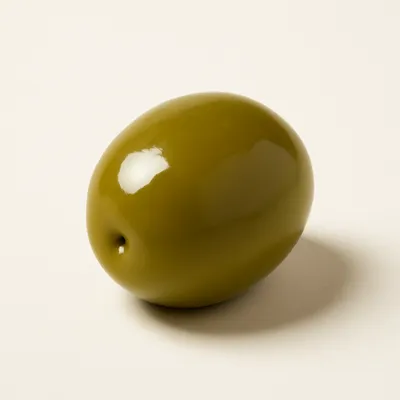
Garnish each plate with a black olive and a wedge of hard-boiled egg and serve cold.
Archive tool suggestions — not reviewed
These legacy suggestions have not been evidence-reviewed and are not presented as required tools.