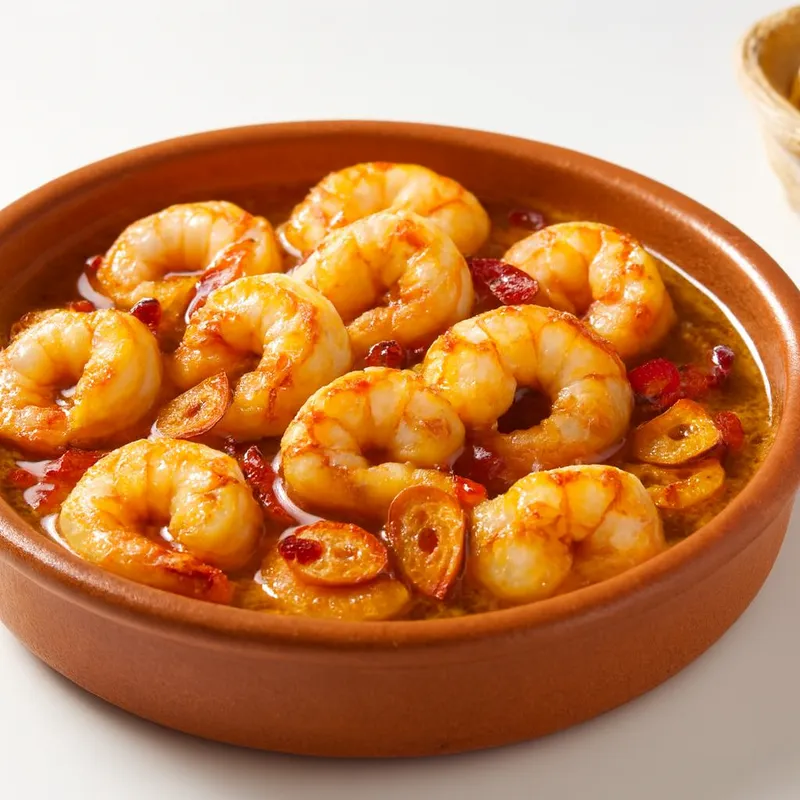
A La Mancha mash of boiled potato and flaked salt cod pounded with garlic and emulsified with olive oil into a thick, pale, creamy paste. It is finished with a drizzle of oil and topped with shelled walnuts and wedges of hard-boiled egg. Served at room temperature as a starter or light main, especially in winter and during Lent, scooped up with bread.
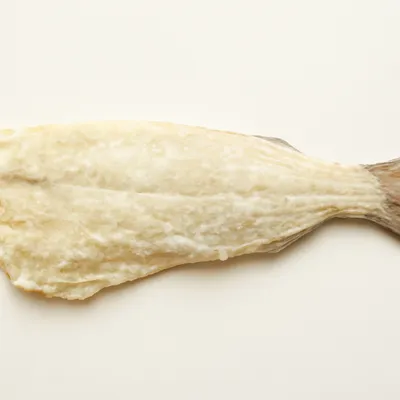




Atascaburras belongs to the inland subsistence cooking of Castile-La Mancha, far from the sea, where salt cod was for centuries the everyday source of preserved fish — cheap, keeping without refrigeration, and eaten through the cold months and especially during Lent, when the Church forbade meat. The dish is documented in La Mancha from around the 18th century, though it was passed mostly by word of mouth. Its odd name — roughly "it bogs down the donkeys," suggesting a dish filling enough to stop a mule — is the subject of a shepherd legend rather than firm record; it carries the alternative regional names ajoarriero and ajo mortero.
A dense, off-white paste, smooth from the potato but threaded with soft flakes of cod, slicked and bound by olive oil. The flavour is mild salt-cod savour and a sharp raw-garlic bite over the bland sweetness of potato, lifted by grassy oil. The contrast on top is the point: cool crunchy walnut and the soft yellow crumble of hard-boiled egg against the smooth body beneath. Eaten at room temperature, never hot; warm, the emulsion loosens and the garlic turns harsh.
The body is a starch-and-oil emulsion built in a mortar. Warm boiled potato and softened salt cod are pounded with garlic into a paste, then olive oil is worked in slowly in a thin stream while pounding never stops — the same logic as alioli, where the starch from the potato and the gelatine the cod releases act as emulsifiers, trapping the oil into a smooth, stable cream rather than letting it pool. Working warm helps the oil incorporate; the cod must be desalted first by soaking, since it is preserved bone-dry and saturated with salt. Pound too fast or add the oil too quickly and the emulsion breaks and weeps oil.
Variations
It overlaps with the wider family of ajoarriero — the mule-drivers' salt-cod dishes found across Aragon, Navarre and Castile — though the manchego form leans on potato and stays a cold mash, where the Aragonese-Navarrese ajoarriero is often a warmer cod stew with peppers and tomato. Some Albacete cooks lean harder on the garlic; the walnut-and-egg garnish is near-universal, but a few versions skip the nuts or fold them in.
On the Palate
Where Atascaburras sits in the Spanish flavor cloud
Ingredients
Serves 4
How it's made
6 steps · 30 min active + 30 min waiting
- 120 min
Desalt the salt cod by soaking it in several changes of cold water, then poach gently and flake it, removing skin and bone.
Watch outDesalt the cod through several changes of cold water — it's preserved bone-dry and saturated with salt, so an under-soaked cod makes the whole paste inedibly salty.
- 220 min
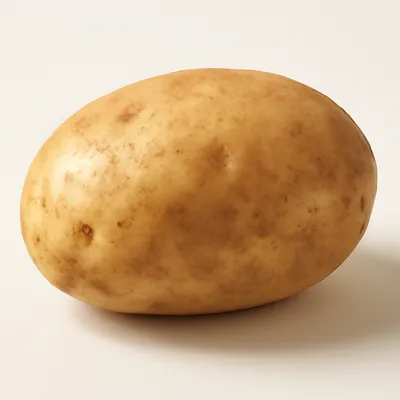
Boil the potatoes until soft, drain and keep them warm.
- 38 min
Pound the garlic, warm potato and flaked cod in a mortar to a smooth paste.
- 48 min
Work in the olive oil slowly in a thin stream, pounding constantly, until it emulsifies into a thick cream.
Watch outWork the olive oil in slowly in a thin stream while pounding never stops — the potato starch and cod gelatine emulsify it into a stable cream; rush the oil and it splits.
- 53 min
Spread into a dish, drizzle with oil and top with shelled walnuts and wedges of hard-boiled egg.
- 61 min
Serve at room temperature with bread.
Archive tool suggestions — not reviewed
These legacy suggestions have not been evidence-reviewed and are not presented as required tools.