
The Spanish version of Russian salad, one of the most common cold tapas in the country. Boiled potato and carrot are diced and bound with mayonnaise, mixed with peas, flaked tuna, and chopped hard-boiled egg, and often dressed with olives and roasted red pepper. It is served chilled, mounded on a plate or piled on bread, and eaten with bread or a spoon. Nearly every bar makes its own, and it is a fixture of summer tapas counters.


The dish descends from the Salade Olivier created in the 1860s by Lucien Olivier at the Hermitage restaurant in Moscow, an elaborate original built on game, crayfish, and truffles. As the recipe spread across Europe it was simplified into a potato-and-mayonnaise salad, and Spain adopted it as ensaladilla rusa, literally the little Russian salad. During the Spanish Civil War, when Russian associations were unwelcome, it was sometimes renamed ensaladilla nacional. The Spanish form settled on cheap, available ingredients — potato, tuna, peas, and egg.
Cold, soft, and creamy, with the diced potato and carrot just holding their shape under a coat of mayonnaise. The tuna lends a savoury, briny depth, peas add little sweet pops, and the egg makes it richer. Olive and roasted pepper, if used, bring sharp and sweet accents. It is mild and comforting rather than punchy, best served well chilled so the texture stays firm and the mayonnaise tastes fresh. A squeeze of lemon or a little vinegar keeps it from feeling heavy.
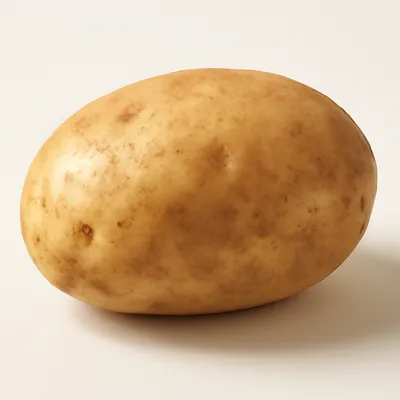
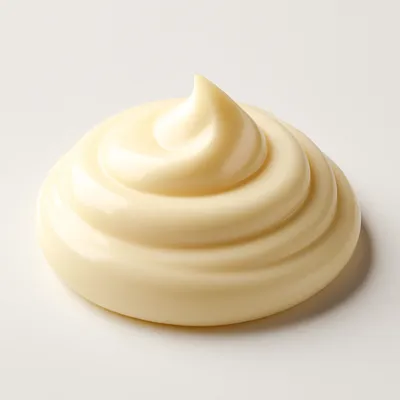
The dish stands on the mayonnaise, an emulsion of oil suspended in egg yolk and a little acid. The yolk's lecithin coats the oil droplets and keeps them dispersed in the watery phase, giving a thick, stable cream that binds the diced vegetables. The potato matters too: boiled until just tender and cooled, its starch firms up so the dice hold their edges instead of collapsing into mash. Everything is cut to a uniform small dice so each spoon carries every element, and chilling sets the emulsion and the textures together.
Variations
Recipes differ household to household: some add diced pickle or roasted red pepper, some swap tuna for prawns or leave out meat entirely, and many crown it with a lattice of piped mayonnaise and strips of pepper. The wider family includes the Russian Olivier salad with meat and pickles and Latin American ensalada rusa, often made with beetroot. Spanish bars sometimes serve it as a filling for stuffed eggs or piped onto toasts as a pintxo.
On the Palate
Where Ensaladilla Rusa sits in the Spanish flavor cloud
Ingredients
Serves 6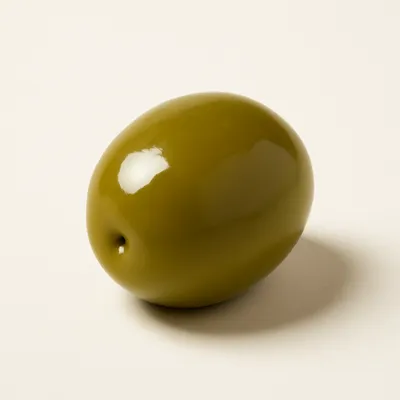

How it's made
6 steps · 40 min
- 120 min
Boil potatoes and carrots in their skins until just tender, then cool and peel.
Watch outBoil the potatoes and carrots only until just tender, then cool — cooked just right and cooled, the starch firms so the dice hold their edges instead of collapsing into mash.
- 25 min
Cut the potato and carrot into a small, even dice and add cooked peas.
- 35 min
Flake drained canned tuna and chop the hard-boiled eggs, reserving some yolk to garnish.
- 45 min
Fold everything together with plenty of mayonnaise, seasoning with salt and a little vinegar or lemon.
- 55 min
Mound on a plate and smooth the top, then chill thoroughly so it firms up.
Watch outChill it thoroughly before serving — the cold sets the mayonnaise emulsion and the textures together so it holds its shape on the plate.
- 63 min
Garnish with olives, roasted red pepper, and the reserved egg before serving cold.
Archive tool suggestions — not reviewed
These legacy suggestions have not been evidence-reviewed and are not presented as required tools.


