Ají verde is the creamy green sauce that arrives at every Peruvian rotisserie-chicken table — a blend of ají amarillo, fresh cilantro, the pungent Andean herb huacatay, garlic and lime, smoothed with cheese and mayonnaise into a pourable cream. Bright, herby and gently fiery, it is the inseparable partner of pollo a la brasa, the sauce diners drizzle over chicken and fries and dip everything else into. It comes together raw in a blender in minutes, with no cooking at all. Tangy, garlicky and cooling against the smoke of the chicken, it is one of Peru's most recognizable condiments.




Ají verde is the table sauce of pollo a la brasa, the rotisserie chicken developed in Lima in the 1950s; the chicken is the documented innovation, while the green sauce grew up around it as its standard accompaniment rather than as a dish with its own dated origin. Its character comes from two native ingredients at the heart of Peruvian cooking: ají amarillo, the fruity yellow-orange chili, and huacatay, the strongly aromatic black-mint of the Andes used since pre-Hispanic times. The creamy, mayonnaise-and-cheese form is the modern restaurant style; rustic versions are simply herbs, chili, garlic and oil pounded or blended together. Outside Peru it is often called simply Peruvian green sauce.
Pale jade green and pourable, it looks cool and tastes lively. The first note is herbal and fresh — cilantro and the distinctive, almost mint-meets-marigold scent of huacatay — then the fruity warmth of ají amarillo builds into a gentle, lingering heat. Garlic and lime keep it sharp, while the cheese and mayonnaise lend a creamy roundness that tames the chili and clings to whatever it coats. Against hot, smoky rotisserie chicken and crisp fries, it is bright, rich and a little addictive, the part of the plate people ask for more of.
This is a raw, cold emulsion: the blender shears the oil and the fat in egg yolk and mayonnaise into tiny droplets suspended in the watery herb-and-lime base, giving a stable, creamy sauce without any cooking. The fat does double duty — it carries the chili's fat-soluble flavor and capsaicin and buffers the heat on the palate, which is why the creamy version tastes milder than a watery one of the same chili. Keeping everything cold and blending briefly protects the chlorophyll and volatile oils in the cilantro and huacatay, so the sauce stays vivid green and fragrant; over-blending warms it and can turn it dull and bitter.
Variations
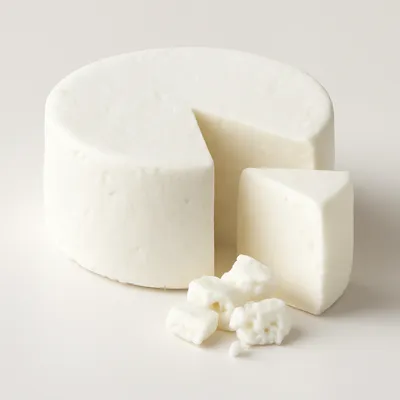
The creamy restaurant style leans on mayonnaise and a crumbly fresh or aged cheese such as queso fresco or a hard cheese; lighter versions swap in Greek yogurt or use only oil. The heat is dialed up with rocoto or fresh green chilies and down by seeding the ají. Huacatay is essential to the most traditional taste but is often left out abroad where it is hard to find, leaving a cilantro-forward green sauce. Some cooks add spinach or a little lettuce for color and body, and a splash of vinegar in place of some of the lime.
On the Palate
Where Ají Verde sits in the Peruvian flavor cloud
Ingredients
Serves 8
How it's made
8 steps · 10 min
- 13 min
Roughly chop a large bunch of cilantro and pick the huacatay leaves; peel the garlic.
- 21 min
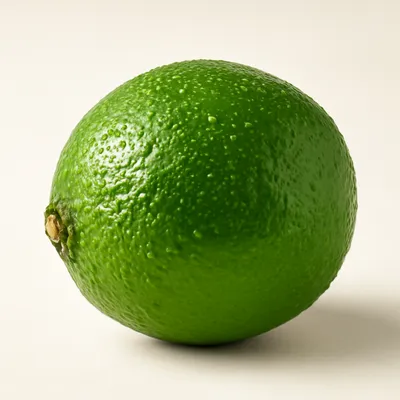
Put the cilantro, huacatay, garlic, ají amarillo paste and lime juice into a blender.
- 31 min
Add the crumbled cheese and the mayonnaise.
- 41 min
Pour in a little oil and a splash of water to help it move.
- 52 min
Blend until completely smooth and pale green, scraping down the sides as needed.
Watch outBlend briefly and keep everything cold — over-blending warms the sauce and dulls the cilantro's vivid green and fresh aroma.
- 61 min
With the motor running, drizzle in more oil until the sauce is creamy and pourable.
Watch outDrizzle in the oil with the motor running until creamy — the fat carries the chili's heat and buffers it, so a creamier sauce tastes milder.
- 71 min
Season with salt, and adjust lime and chili to taste.
- 81 min
Chill briefly and serve cold alongside grilled or roast chicken and fries.
Archive tool suggestions — not reviewed
These legacy suggestions have not been evidence-reviewed and are not presented as required tools.


