Chicharrón de pollo is the Peruvian fried-chicken plate: bite-sized pieces of chicken marinated in garlic, soy and spices, dredged in flour or cornstarch, and deep-fried until deeply golden and crisp. The chifa-influenced version leans on soy sauce, ginger and a touch of Chinese spice in the marinade. It is served with fresh salsa criolla, a wedge of lime, and fried cassava or sweet potato on the side.



Chicharrón in Peru originally referred to fried pork, a colonial-era technique consolidated by enslaved African cooks who fried and preserved meat in its own fat; the name later stretched to other fried foods, including chicken and fish. Chicharrón de pollo as it is eaten today carries a clear chifa imprint — the Chinese-Peruvian kitchen that grew from 19th-century Cantonese migration — most visible in the soy sauce, ginger and Chinese spicing that flavour the marinade, which set the Peruvian version apart from plain breaded fried chicken. It is everyday criollo cooking served at fondas and homes nationwide, and in much of the Andean region a plate of chicharrón de pollo or de pescado is a common breakfast with mote and fried cassava. Exact origins are folk rather than documented to a single source.
The crust shatters crisp and golden at the first bite, giving way to chicken that is juicy and well-seasoned right to the bone. The soy-and-garlic marinade reads savoury with a faint ginger warmth and a whisper of Chinese spice underneath. A heap of salsa criolla on top brings sharp raw onion and lime that cut the fry, and a squeeze of lime over everything keeps each piece bright. With fried cassava or sweet potato alongside, it eats as satisfying, crunchy comfort food.
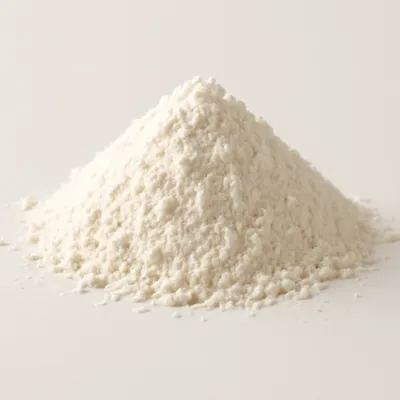
Marinating in soy, garlic and spice both seasons the meat through and, with the salt in the soy, helps it hold moisture during frying. A coating of flour or cornstarch dries the surface and crisps into a thin shell through the Maillard reaction; cornstarch in particular fries up especially light and brittle. The oil must be hot enough — around 170 to 180 degrees Celsius — that the surface seals and browns fast while the inside cooks through before the crust burns, and frying in small batches keeps the oil temperature from dropping. Resting the pieces briefly after frying lets the crust set before the acidic salsa criolla is added on top.
Variations
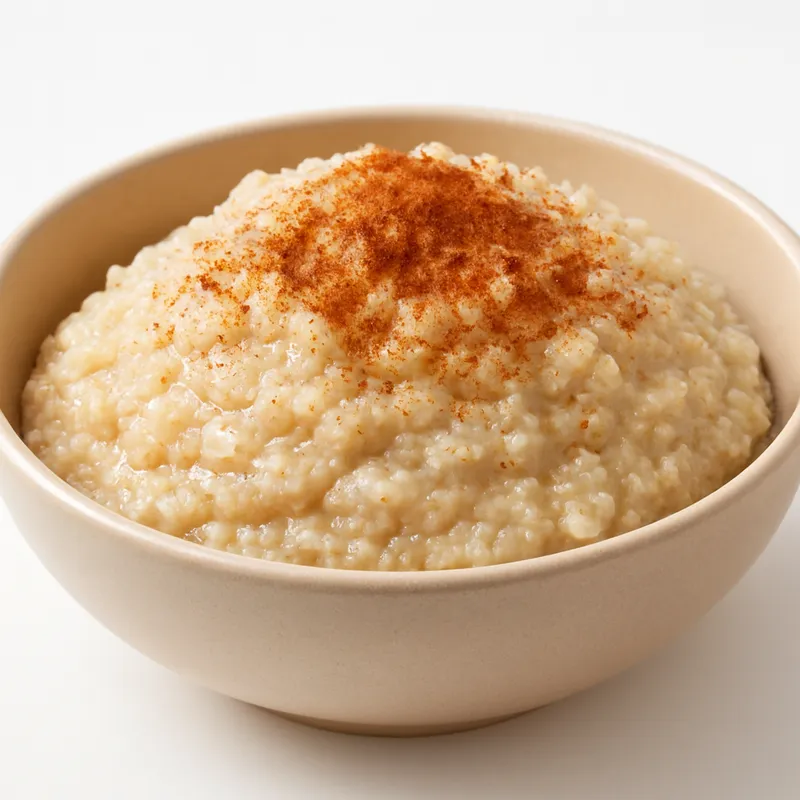
The chifa-style marinade with soy, ginger and Chinese spice is the most common, but plainer versions use only garlic, cumin, salt and pepper. Cornstarch gives the lightest, crispest crust; flour gives a sturdier one. The same treatment is used for chicharrón de pescado with firm white fish. Standard partners are salsa criolla and fried cassava (yuca) or sweet potato, with lime; in the highlands it often comes with mote (hominy) at breakfast.
On the Palate
Where Chicharrón de Pollo sits in the Peruvian flavor cloud
Ingredients
Serves 4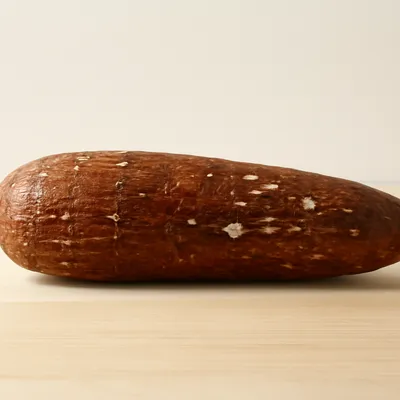

How it's made
8 steps · 35 min active + 25 min waiting
- 18 min
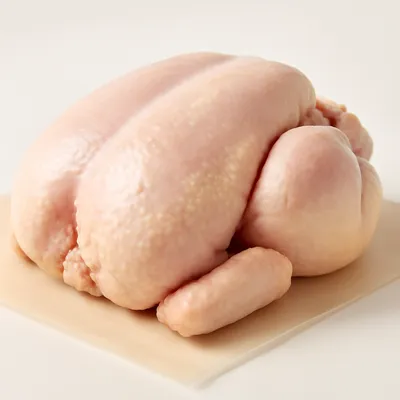
Cut chicken into bite-sized pieces, keeping some on the bone for flavour.
- 225 min
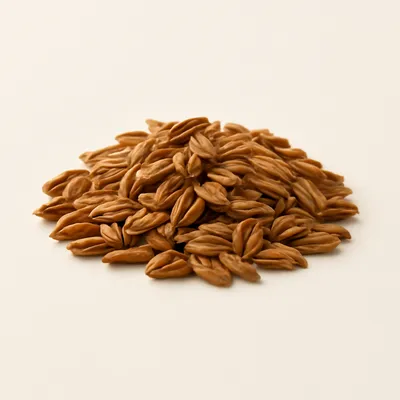
Marinate the chicken with soy sauce, crushed garlic, grated ginger, cumin, pepper and a pinch of Chinese spice for at least 20 minutes.
- 38 min
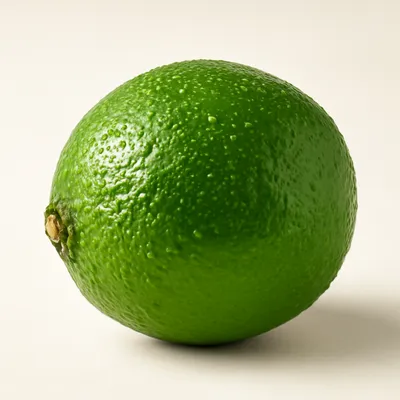
Make salsa criolla: toss thinly sliced red onion with lime juice, ají limo, cilantro and salt; set aside.
- 46 min
Drain the chicken and dredge each piece in flour or cornstarch, shaking off the excess.
- 55 min
Heat oil to about 170 to 180 degrees Celsius.
Watch outGet the oil to 170–180°C — too cool and the crust soaks up grease and goes soggy before it can seal and brown.
- 612 min
Fry the chicken in small batches until deeply golden and cooked through, then drain on a rack.
Watch outFry in small batches so the oil stays hot — crowd the pot and the temperature drops and the coating turns greasy.
- 712 min
Cut cassava or sweet potato into wedges and fry until golden, or serve boiled.
- 83 min
Plate the chicken with the fried cassava, top with salsa criolla, and serve with lime wedges.
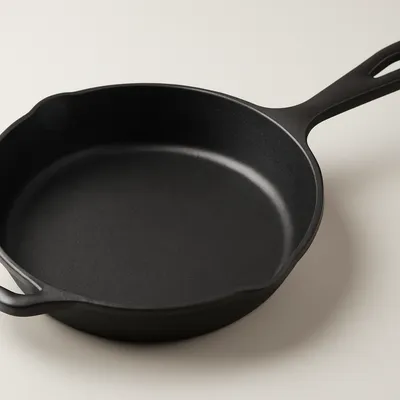
Archive tool suggestions — not reviewed
These legacy suggestions have not been evidence-reviewed and are not presented as required tools.