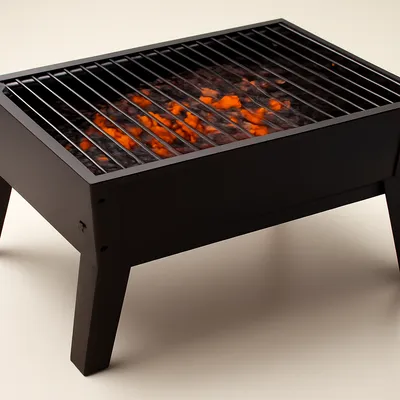
Rachi is grilled beef tripe, the third member of the anticuchera cart's grilled-offal trio alongside anticuchos de corazón and choncholí. Cleaned honeycomb tripe is pre-simmered until tender, marinated in aji panca, then skewered and grilled over charcoal until the edges char and crisp. Where the heart skewer is dense and the intestine chewy, rachi is springy and gently yielding. It comes off the same brazier with a boiled potato and choclo, eaten standing with salsa criolla and green aji.




Rachi shares the lineage of anticuchos: the grilled-offal cooking of enslaved and free Afro-Peruvians on the colonial coast, who took the cuts their masters discarded and turned them over charcoal into the street food of working-class Lima. Tripe was among the cheapest and most plentiful of these offcuts. By the 19th and 20th centuries it had settled into the anticuchera repertoire, grilled at the same brazier as heart and intestine. The name is commonly traced to Quechua. It is ordered as a companion skewer rather than a standalone plate, often on a mixed grill.
Tripe grilled this way is springy and bouncy, with a faint chew that gives cleanly rather than turning rubbery. The pre-simmer leaves it tender; the fire adds a charred, smoky crust and the aji panca a deep ruddy color. Its flavor is mild and clean for offal — less mineral than heart, less rich than intestine — which is why it leans hard on the marinade, the smoke and the sharp onion relish alongside.
Honeycomb tripe is collagen-heavy stomach muscle, tough until slow heat breaks it down, so it must be simmered until tender before it ever sees the grill — grilling alone would only toughen it. The aji panca and vinegar marinade seasons and colors the pre-cooked tripe; on the coals the goal is fast char on an already-cooked piece, not further cooking. Close to a hot fire, the surface caramelizes and crisps in a minute or two a side while the interior stays moist and springy.
Variations
Rachi is frequently grilled and served as part of a mixed offal plate with anticuchos and choncholí, sometimes called parrillada de anticuchos or anticucho mixto. Some cooks marinate it longer for deeper color; others griddle it on a plancha instead of skewering. It is a standard picantería and street-cart order across coastal Peru.
On the Palate
Where Rachi sits in the Peruvian flavor cloud
Ingredients
Serves 4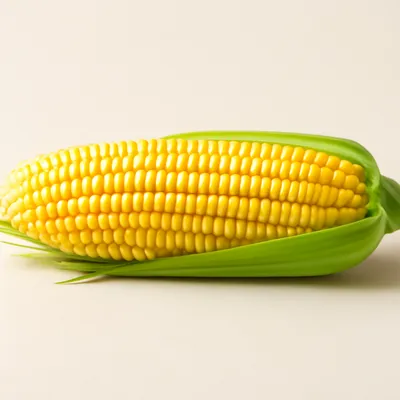

How it's made
8 steps · 1 hour
- 115 min
Clean the honeycomb tripe thoroughly, scrubbing and rinsing several times.
- 290 min
Simmer the tripe with aromatics until fully tender, then drain and cut into strips.
Watch outSimmer the tripe until fully tender before it ever hits the grill — grilling raw tripe only toughens it, never softens it.
- 3600 min
Marinate the cooked tripe in aji panca paste, vinegar, garlic, cumin and salt.
- 48 min
Thread the strips onto soaked skewers.
- 515 min
Heat charcoal until it burns down to glowing coals.
- 68 min
Grill the skewers close to the coals, turning and basting with marinade.
Watch outGrill close to hot coals for a fast char — the tripe is already cooked, so you want quick color, not more cooking.
- 74 min
Char the edges until crisp while keeping the tripe springy and moist.
- 82 min
Serve hot with boiled potato, choclo, salsa criolla and green aji sauce.
Archive tool suggestions — not reviewed
These legacy suggestions have not been evidence-reviewed and are not presented as required tools.