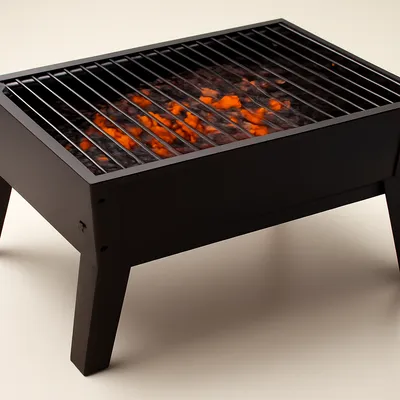
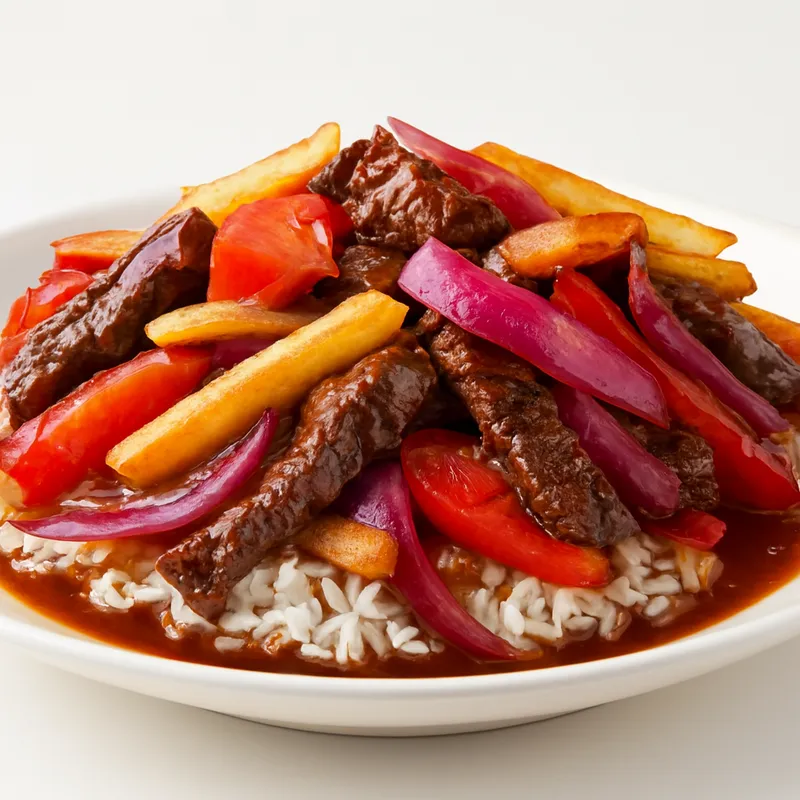
Choncholí is the anticuchera cart's smoky partner to the famous beef-heart skewer: lengths of beef intestine cleaned, marinated in aji panca and vinegar, wound onto skewers and grilled hard over charcoal. The braziers of Lima's working-class streets put it out alongside anticuchos and rachi, the trio of grilled offal that defines Peruvian street eating. The casing chars and crackles while the inside stays chewy and rich. It is eaten standing, with a boiled potato, a wedge of choclo and a smear of green aji.
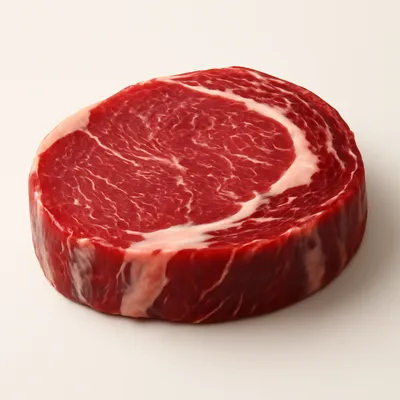




Choncholí descends from the same Afro-Peruvian street tradition as anticuchos. After Spanish colonization, enslaved Africans on the coast cooked the discarded offal their masters would not eat — heart, tripe, intestine — over charcoal braziers, and by the 19th century these grilled skewers were a fixture of Lima's Black street vendors. Choncholí specifically uses small intestine, distinguished from the tripe-based rachi grilled at the same coal. The name is widely read as Quechua-derived. Today it remains a cart and picantería staple, ordered as a companion to anticuchos rather than on its own.
The intestine grills up in two textures at once: a blistered, near-crunchy outer casing and a soft, faintly fatty chew within. The aji panca marinade gives smoky depth and a deep brick color rather than heat; charcoal adds bitterness at the edges. It is unapologetically offal — mineral, rich, a little gamey — cut by the sharp raw onion of salsa criolla and the green aji's bite.
Intestine is mostly smooth muscle wrapped in a thin fat layer, so the work is in the cleaning: it is turned inside out, scraped and rinsed, often blanched or pre-simmered to firm it and tame the funk before grilling. The vinegar in the overnight marinade both tenderizes and cuts residual odor, while aji panca, a mild sun-dried red chili, lends color and smoke. On the coals the thin casing dehydrates and crisps fast — close to the fire, turned often, so the outside crackles before the inside dries out.
Variations
Choncholí is often skewered alternating with chunks of heart or served on a shared plate of mixed anticuchos. Some carts wind the intestine tightly into a braided coil for more crackle; others leave it looser and chewier. Rachi (tripe) and anticuchos de corazón are its constant brazier companions, and a fuller mixed offal plate is sometimes called anticucho mixto.
On the Palate
Where Choncholí sits in the Peruvian flavor cloud
Ingredients
Serves 4

How it's made
8 steps · 1 hour
- 120 min
Turn the beef intestine inside out, scrape clean and rinse repeatedly under running water.
Watch outTurn the intestine inside out and scrape and rinse it clean repeatedly — this cleaning is the whole dish; skip it and it's inedible.
- 28 min
Blanch the cleaned intestine briefly, then drain and cool to firm the texture.
- 3720 min
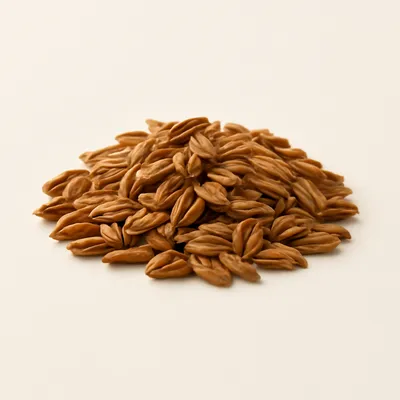
Marinate overnight in aji panca paste, red wine vinegar, garlic, cumin, salt and pepper.
- 410 min
Wind lengths of intestine tightly onto soaked skewers in coils.
- 515 min
Build a hot charcoal fire and let it burn down to glowing coals.
- 68 min
Grill the skewers close to the coals, turning often and basting with leftover marinade.
Watch outGrill close to the coals, turning often — the thin casing crisps fast, so you want it crackling outside before it dries out inside.
- 74 min
Cook until the casing blisters and chars at the edges but stays chewy inside.
- 82 min
Serve hot with boiled potato, choclo and salsa criolla and green aji sauce.
Archive tool suggestions — not reviewed
These legacy suggestions have not been evidence-reviewed and are not presented as required tools.