Soltani means 'royal' or 'kingly', and the plate earns the name by combining the two aristocrats of the Persian grill on one order: a skewer of barg, the saffron-marinated fillet pounded leaf-thin, set beside a skewer of koobideh, the kneaded minced lamb-and-beef. It arrives over a mound of buttered saffron rice with a charred tomato and a blistered chili, the deluxe choice on any kebab-house menu. One skewer brings melting tenderness, the other dense charred savor, and together they cover the full range of what a Persian grill can do. It is the dish you order to impress, or to settle an argument about which kebab is better by refusing to choose.



The pairing of barg and koobideh on a single plate is a creation of the urban Iranian kebab restaurant, where the two skewers had long shared the same grill. 'Soltani' is a menu term of distinction rather than a regional dish, marking the most expensive combination on offer. Both component kebabs trace to the chelo-kebab tradition codified in Qajar-era Tehran (19th century), when chelo kebab — rice with butter and grilled meat — became the standard of Persian restaurant dining. The deluxe two-skewer order is the modern restaurant's way of selling both at once.
Two skewers, deliberately unalike. The barg fillet is so tender it gives way without resistance, bright with saffron and a whisper of lime; the koobideh is dense and breadlike, bearing the dark imprint of the flat skewer and a heavier char. Eaten together over saffron rice, with sumac dusted on the minced meat and a wedge of raw onion, the contrast is the whole point — silk against substance.
The two skewers demand opposite handling on the same fire. The lean fillet is pounded thin so it sears and cooks through in a couple of minutes before drying out; onion enzymes and lime acid pre-tenderize it. The minced koobideh, by contrast, must be kneaded until tacky so it bonds to the flat wide skewer, which conducts heat into the core and cooks the log from the inside. The cook turns them at different rates and pulls the fillet first.
Variations
Some houses skewer chicken jujeh in place of one meat for a milder version; portions may stretch to two skewers each for a shared platter; a 'sultani' plate in Tehran tends to plain seasoning, while Tabrizi grills lean on extra onion.
On the Palate
Where Kabab-e Soltani sits in the Persian flavor cloud
Ingredients
Serves 2
How it's made
8 steps · 1 hour
- 1240 min
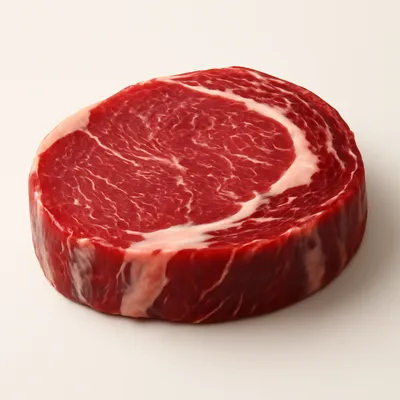
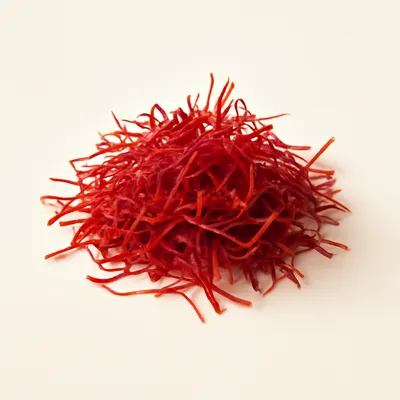
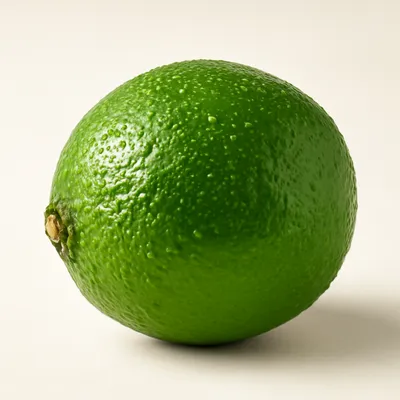
Butterfly and pound the fillet leaf-thin; marinate in saffron, grated onion and lime for several hours.
Watch outPound the fillet leaf-thin so it sears and cooks through in a couple of minutes — the onion and lime pre-tenderize it; left thick, the lean barg dries out before the center is done.
- 215 min
Knead the ground lamb-and-beef with grated onion squeezed dry, salt and pepper until tacky.
Watch outKnead the minced meat until it turns tacky and sticky — that stickiness is what bonds it to the flat wide skewer; too loose and the koobideh slides off and drops into the coals.
- 310 min
Mold the minced meat firmly onto wide flat skewers; thread the fillet onto separate skewers.
- 415 min
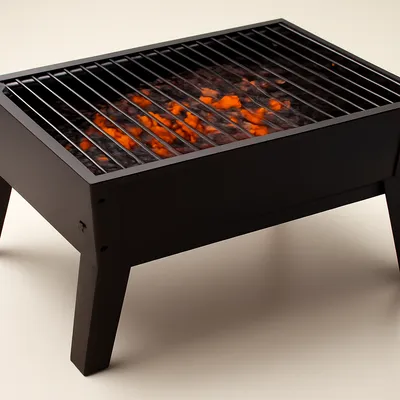
Build a hot charcoal bed and let the coals turn to glowing embers.
- 58 min
Grill the koobideh, turning constantly so it does not slide, until cooked through with a dark crust.
Watch outGrill the koobideh turning constantly so it doesn't slide, until cooked through with a dark crust — the wide skewer conducts heat into the core, cooking the log from inside out.
- 64 min
Sear the barg fillet quickly over the hottest coals, turning once, until just done.
- 74 min
Char a tomato and a green chili on the same fire.
- 83 min
Slide both meats over buttered saffron rice; dust the minced skewer with sumac and serve with raw onion.
Archive tool suggestions — not reviewed
These legacy suggestions have not been evidence-reviewed and are not presented as required tools.