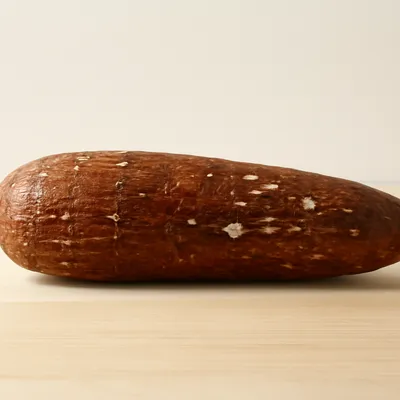
The flagship dish of Campo Mourão in inland Paraná: whole lamb, cut up and seasoned, sealed in cast-iron pots with potato, cassava, carrot and pumpkin, then lowered into a fire-heated pit in the ground and buried to cook by stored heat for hours. It is a communal, festival-scale preparation rather than a home dish, served with rice, farofa and the cooking juices. The buried pit gives the lamb a smoky, falling-apart tenderness no oven matches.





Carneiro no Buraco was invented in 1962 in Campo Mourão, a young frontier town in central-western Paraná, by Ênio Camargo de Queiroz together with neighboring families, who wanted a memorable way to feed visiting officials. The technique drew on South American indigenous earth-oven cooking, and town lore adds that the buried-pit idea was sparked by a scene in a Western film. A national festival has celebrated it every year since 1991, and in recent years it was recognized as intangible cultural heritage of the state of Paraná.
Lamb so tender it slides off the bone, deeply savory and faintly smoky from hours underground, the fat melted through the vegetables packed around it. The potato and cassava are soft and soaked in lamb juices; the pumpkin goes sweet and almost jammy. Plated over rice with farofa to catch the gravy, it eats rich and rustic — the food of a crowd gathered around an open pit, never a plate for one.
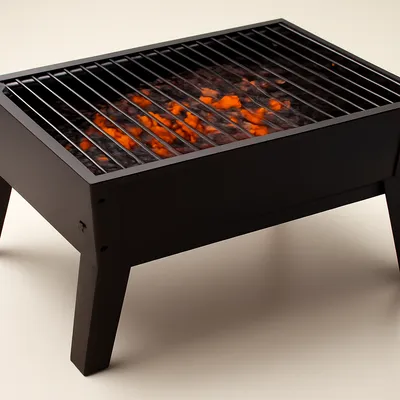
This is pit cooking, retained-heat style. A pit is dug and a hard wood fire burned down in it until the earth walls and any lining stones are radiating heat; the embers are cleared or banked. Sealed cast-iron pots holding the seasoned lamb and vegetables are lowered in, the pit is covered and buried, and the stored heat plus trapped steam cooks everything slowly with no flame touching the food. Because the pots are closed and the heat is gentle and all-around, the lamb braises in its own moisture — collagen melts, the meat falls apart, and a little smoke from the spent fire perfumes it. Modern versions line the pit with concrete and keep the method, just with a cleaner, reusable hole.
Variations
Recipes vary by which root vegetables go in the pot — potato, cassava, sweet potato, carrot and pumpkin in some mix — and by the seasoning rub, but the lamb and the buried pit are fixed. Festival cooks scale to dozens of pots at once; concrete-lined pits have largely replaced the raw earth hole, while purists still favor banana leaves and bare ground.
On the Palate
Where Carneiro no Buraco sits in the Brazilian flavor cloud
Ingredients
Serves 12

How it's made
6 steps · 1 hour 30 min
- 1180 min
Dig a pit and burn a hard wood fire down in it for a few hours, until the walls and lining stones are radiating heat; rake out or bank the embers.
Watch outBurn the fire down until the pit walls and stones radiate real heat — that stored heat is your whole oven; go in too early and the meat never cooks through.
- 230 min
Joint a whole lamb and season heavily with garlic, salt, pepper and herbs; let it rest while the pit heats.
- 330 min
Pack seasoned lamb with potato, cassava, carrot and pumpkin into cast-iron pots and seal the lids.
- 420 min
Lower the pots into the hot pit, cover with leaves or sheeting, and bury with earth to trap the heat.
Watch outBury it fully so no heat escapes — a good seal traps the steam that braises the lamb in its own juices; a gap and the pit cools and the meat comes out tough.
- 5360 min
Leave to cook on stored heat for about six hours without uncovering.
- 615 min
Dig out and open the pots; the lamb should fall off the bone. Serve over rice with farofa and the pot juices.
Archive tool suggestions — not reviewed
These legacy suggestions have not been evidence-reviewed and are not presented as required tools.