


Sul Brazilian
Barreado in a sealed clay pot, German cuca, Polish pierogi — the immigrant south below the Gaúcho.
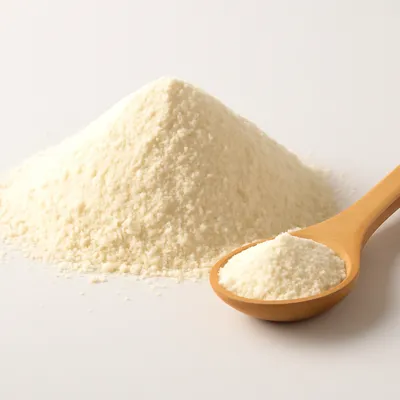
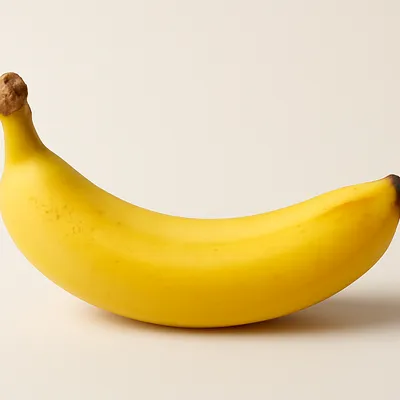
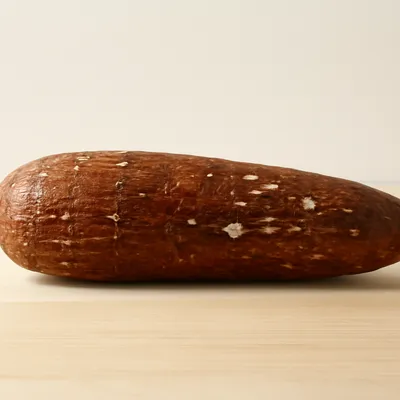
This is the Sul of Paraná and Santa Catarina — a coast-and-highlands south that eats nothing like the cattle-and-mate Gaúcho country of Rio Grande do Sul. On the Paraná coast, the caiçara fishing towns of Morretes, Antonina and Paranaguá cook barreado: tough beef and pork fat layered with cumin into a clay pot, the lid sealed airtight and the whole thing left over low heat for ten-plus hours until the meat collapses, then spooned over manioc flour with sliced banana — a Carnival dish whose name was made the 100th federally registered Geographical Indication in Brazil in 2022. Inland, the Araucária-pine highlands shared with Santa Catarina give the pinhão, the pine seed roasted and boiled through the winter cold. Over all of it lies a heavy European immigrant layer: Germans who turned Kuchen into cuca, a yeast cake under a sugar-and-butter crumble, and in the Vale do Itajaí roast marreco recheado, duck stuffed with its own giblets; and Poles and Ukrainians around Curitiba and Prudentópolis, who made pierogi a everyday food of Paraná. Santa Catarina's Azorean coast adds a third hand — some six thousand settlers from the Azores from the late 1740s built the island fishing culture of Florianópolis, and its winter brings the great beach-seine run of tainha, the mullet grilled open over coals.
Start Here
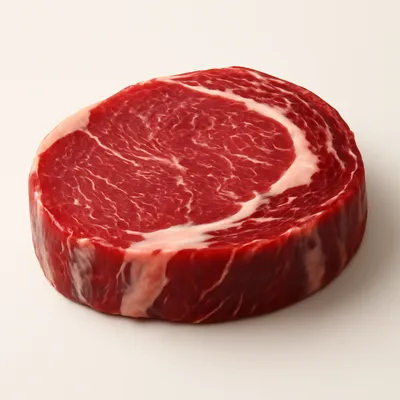
Lean beef and pork fat layered with cumin, bay, garlic and onion in a clay pot, the lid sealed airtight and the pot held over low heat for ten-plus hours until the meat falls apart into a dark, near-shredded mass — then ladled over manioc flour with sliced banana. The Paraná-coast icon.
Why start here · Barreado is the dish the whole Sul coast is built around — the sealed pot and the ten-hour cook are the point, and in 2022 the name became Brazil's 100th registered Geographical Indication. The cumin and the banana are the two flavors to watch for.
A soft yeast-risen cake under a thick crumble of flour, sugar and butter (streusel), usually topped with fruit — banana or grape are the classics. Baked in a tray, cut into squares, eaten with afternoon coffee. The German-Brazilian sweet of the southern colonies.
Why start here · Cuca is the immigrant layer at its plainest: the name is just the German word Kuchen worn down by Portuguese, and the cake is the streusel-topped Kuchen of home, kept alive on the coffee tables of the German south. The contrast of fluffy crumb and sweet, sandy topping is the whole idea.
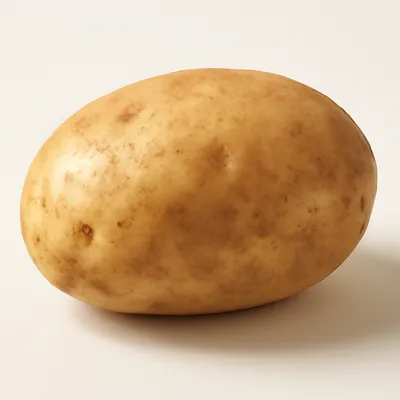
A thin wheat-dough pocket filled most traditionally with mashed potato and fresh curd cheese, sealed into a half-moon, boiled, then usually finished in butter with onion until the edges crisp — served with fried onion or sour cream. Polish dumplings, now everyday food in Curitiba.
Why start here · Pierogi is the Slavic half of the Sul: Poles settling around Curitiba from 1871 made these a regional staple, and the Ukrainians of Prudentópolis nearby keep their own near-twin, varenyky. The potato-and-curd filling and the butter-fried finish are what mark the Paraná version.
The Pantry




See all 35 ingredients›




Herbs & Spices


Grains & Staples




Sauces & Condiments



How They Cook
Techniques that define this cuisine
See 8 more techniques›
Other regions
Siblings within Brazilian — each its own tradition.
