
Bahian Brazilian
Moqueca: coconut-dendê fish.
Moqueca
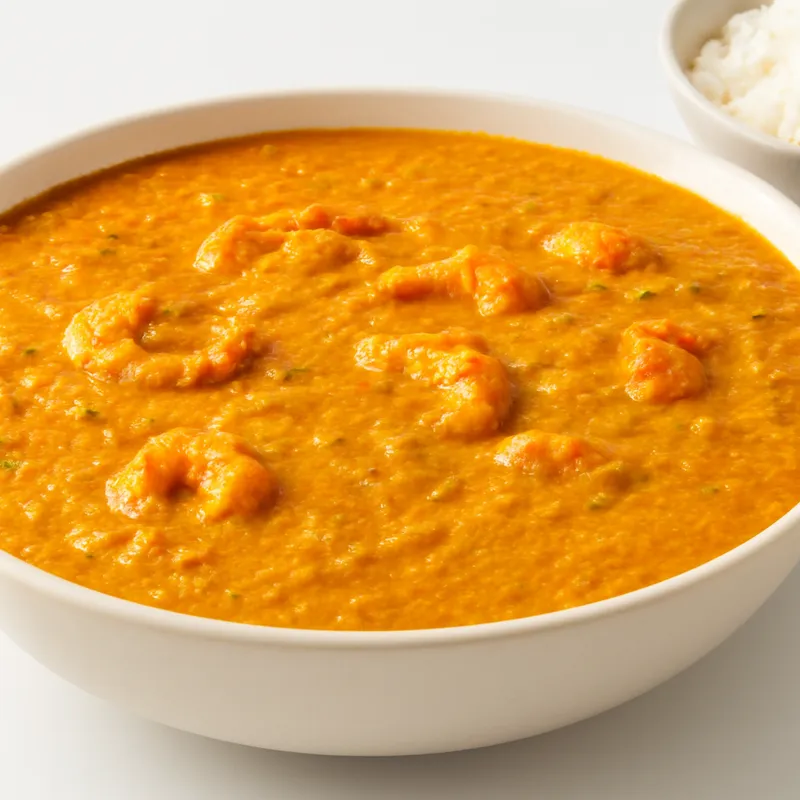
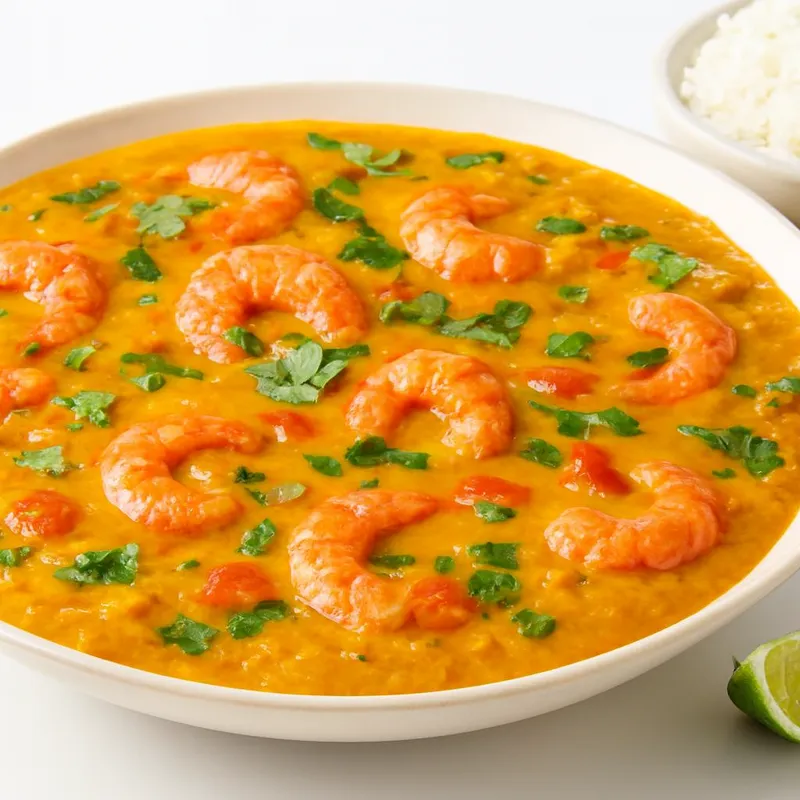
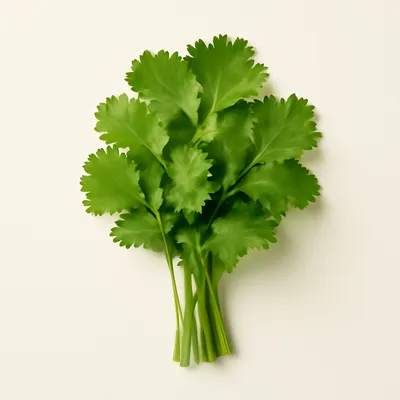
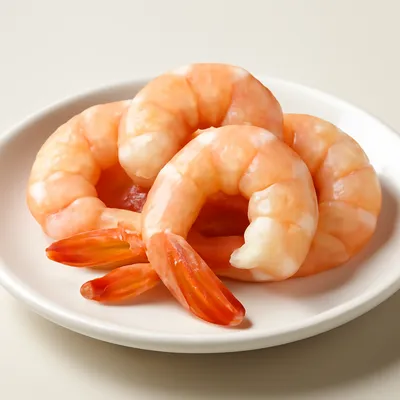
Bahian-style seafood stew gently simmered in coconut milk, palm oil, tomatoes, and cilantro in a clay pot
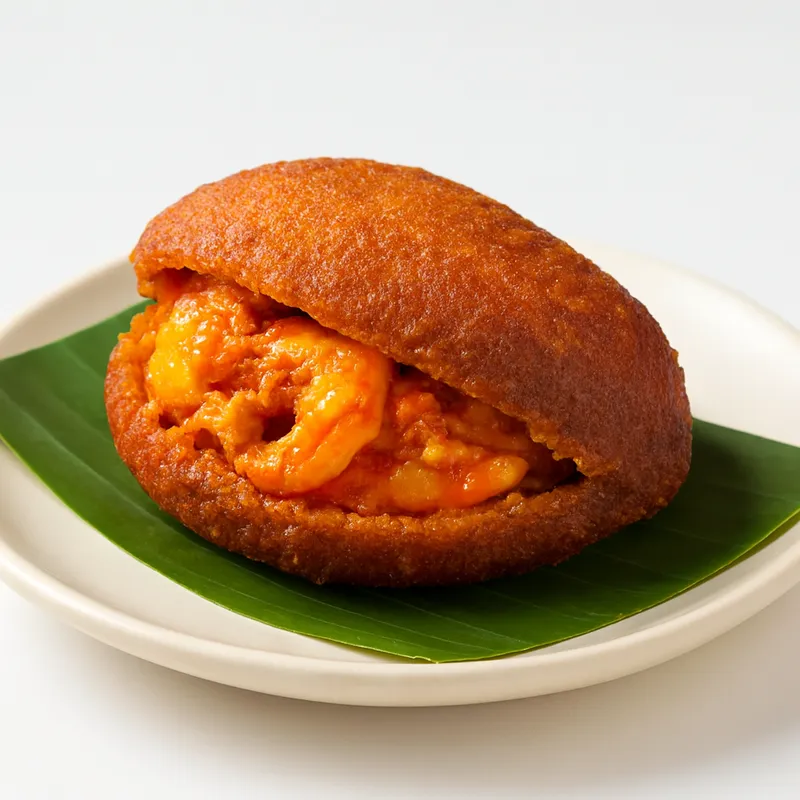
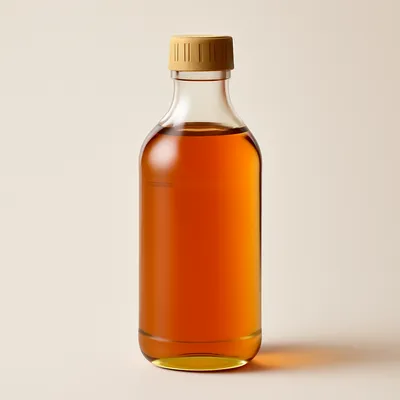
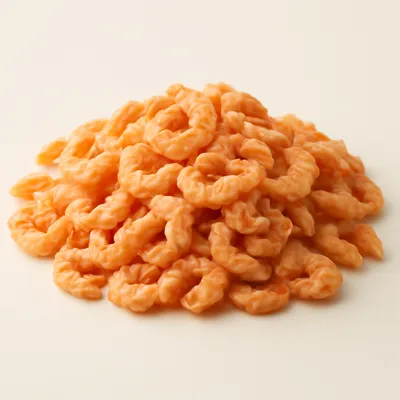
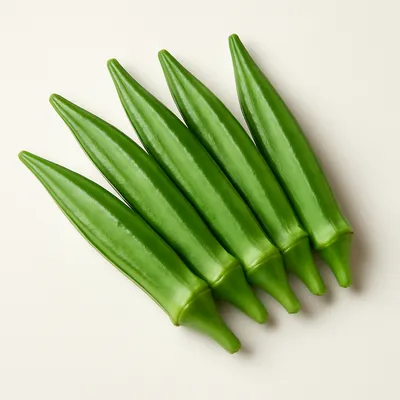
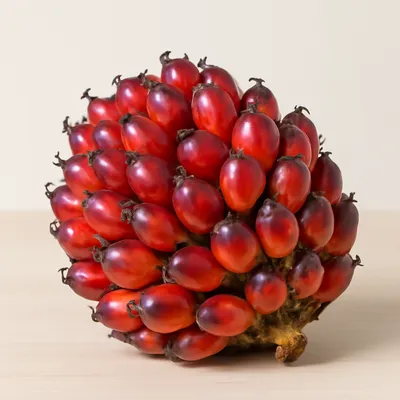
View page →Bahia is Brazil's most-African state — the destination of the largest Atlantic slave trade route from West Africa, and the cooking shows it. The Yoruba inheritance is everywhere: dendê (red palm oil) makes everything orange and rich; coconut milk substitutes the African palm cream; the orixá religious traditions still anchor festival foods. Moqueca baiana — fish or shrimp cooked in coconut milk, dendê, tomato, onion, cilantro, malagueta pepper, in a clay pot — is the signature. Acarajé — black-eyed-pea fritters fried in dendê, split open and stuffed with vatapá (shrimp paste), caruru (okra), and tomato salsa — is sold by Candomblé priestesses in white turbans on Bahian street corners. Vatapá — bread, shrimp, coconut milk, dendê, peanuts thickened into a savory pudding — also stuffs acarajé. The cuisine is the most-African food in the Americas.
Start Here
Fish or shrimp cooked in coconut milk, dendê (red palm oil), tomato, onion, cilantro, lime, and malagueta pepper in a covered clay pot. The Bahian centerpiece.
Why start here · Moqueca is what Bahia tastes like — the dendê palm oil and coconut milk are the regional grammar. Don't try to substitute olive oil; you'll lose the dish.
Black-eyed-pea fritters fried in dendê palm oil, split open while hot, stuffed with vatapá shrimp paste, caruru okra, and salsa de tomate. Sold by Baianas in white turbans.
Why start here · Acarajé is the Afro-Bahian street food that's also a Candomblé religious offering. The orange-red dendê oil and the white turban of the Baiana are the visual signature.
The Pantry





See all 33 ingredients›
Proteins
Herbs & Spices



Grains & Staples






Dairy & Fats

Sauces & Condiments

How They Cook
Techniques that define this cuisine
See 5 more techniques›
Other regions
Siblings within Brazilian — each its own tradition.