


Brought to Bahia by enslaved Yoruba women from what's now Nigeria and Benin, where the same fritter is called àkàrà and offered in religious ceremonies to the orisha Iansã. In Salvador, acarajé became both a Candomblé religious food and a street snack — the craft of the Baianas de acarajé was registered as Brazilian national intangible cultural heritage by IPHAN (Brazil's national heritage institute, not UNESCO) — listed in 2004 and formally registered as the "Ofício das Baianas de Acarajé" in 2005, protecting the craft from fast-food chain imitation.
Yoruba women brought àkàrà to Bahia from what's now Nigeria and Benin, where it's still offered to the orisha Iansã. Brazil's UNESCO-tracked Baianas de acarajé got national heritage status in 2005. The bean batter is hand-peeled and beaten by wooden mortar; a blender pulverizes the air out and kills the soufflé interior.
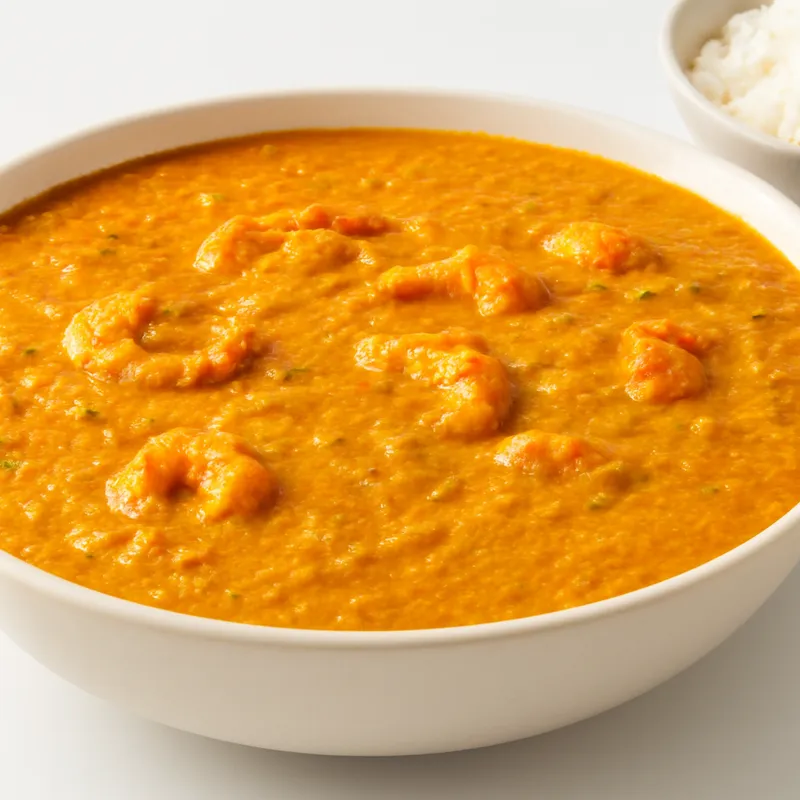
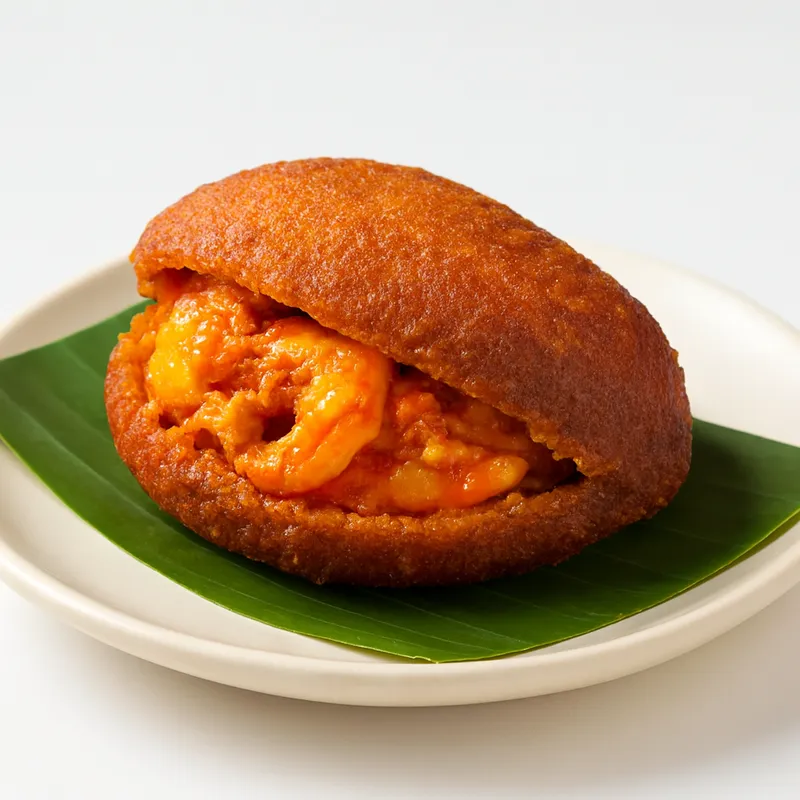
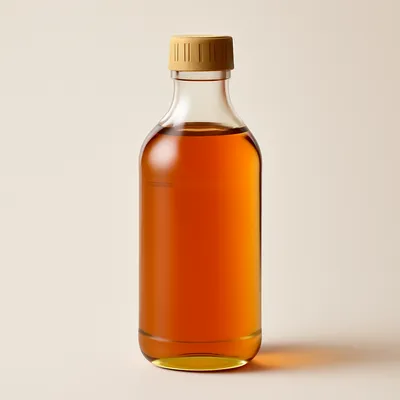
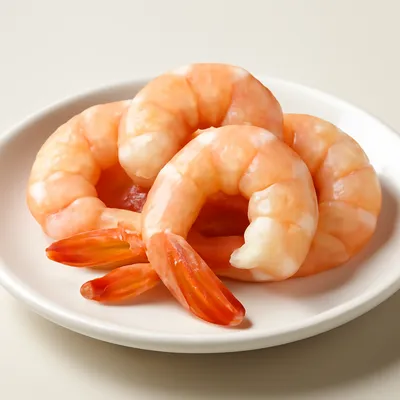
A black-eyed pea fritter the size of a small fist, deep-fried in dendê oil so the outside is rust-orange and crisp, the inside steamy and pale yellow. The Baiana splits it open with a knife and stuffs it with vatapá, dried-shrimp caruru, tomato salad, and chili sauce to your tolerance. Eaten standing on the street in Salvador; if it's still warm by the time you sit down, you walked too far.
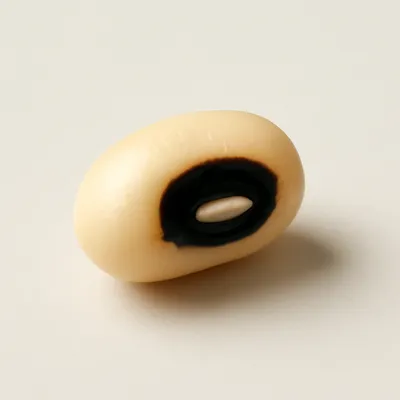
The bean batter has to be hand-peeled — soak black-eyed peas, rub the skins off, then beat the wet beans into a fluffy batter without flour or egg. Air whipped into the batter is the only leavening; it's what makes the inside soufflé-like rather than dense. A blender ruins it (over-pulverizes, no air); the traditional tool is a wooden mortar.
Variations
Salvador street standard with vatapá, caruru, vinagrete, malagueta; abará (steamed, not fried, in banana leaf — same batter); Lagos àkàrà as breakfast with akamu; Acarajé da Dinha and Acarajé da Cira in Salvador are landmark stands.
On the Palate
Where Acarajé sits in the Brazilian flavor cloud
Hand-peel the soaked black-eyed peas and beat the wet beans into a fluffy batter with no flour or egg — the air you whip in is the only leavening, and it's what gives the fried inside its soufflé-like lift instead of a dense, heavy crumb.
Ingredients




How it's made
5 steps · 3 hours
- 1174 min
Soak black-eyed peas overnight, then peel and grind into a smooth batter.
Watch outThe batter is ready when it's pale, thick and holds a soft peak; a spoonful dropped in water should float, not sink.
- 21 min
Mix in finely chopped onion and salt, then shape into small balls.
- 33 min
Heat palm oil in a deep pot until hot and fry the balls until golden and crispy.
Watch outSlide the balls into oil that's hot but not smoking; they should bob up and turn deep golden in a couple of minutes.
- 41 min
Cut open each acarajé and fill with vatapá and a few small shrimp.
Watch outSplit each fritter while it's still hot so the airy inside stays open to hold the vatapá and shrimp.
- 51 min
Serve immediately, allowing the spicy flavors to meld with the crispy exterior.
Archive tool suggestions — not reviewed
These legacy suggestions have not been evidence-reviewed and are not presented as required tools.