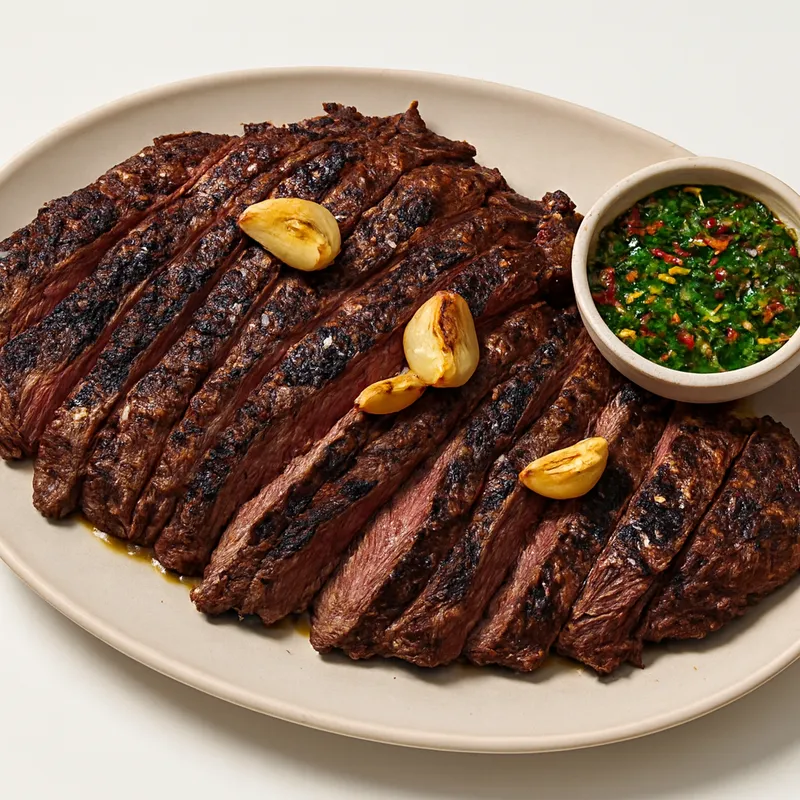
Picanha glistens with a thick crust of sea salt and garlic, sealing in the succulence of the famed top sirloin cap.




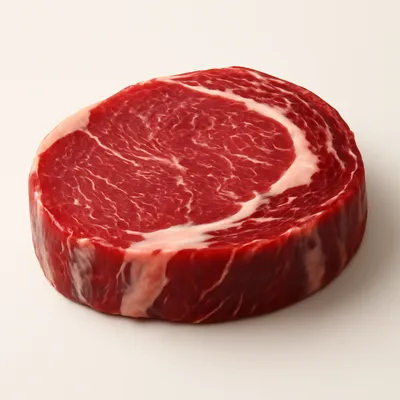
Picanha as a named cut entered Brazilian butchery in the 1950s–60s with the rise of São Paulo and Rio churrascarias — the same muscle is sold elsewhere as rump cap, sirloin cap, or culotte, but only Brazil treats it as the prize cut. Gaucho ranch tradition originally favored larger ribs and flank; picanha's stardom is restaurant-era, driven by the rodízio's need for a fast-cooking, fat-capped cut that looks great on a spit.
Same muscle as rump cap or culotte, but only Brazil treats it as the prize. Stardom dates to 1950s-60s SP/Rio churrascarias, not gaucho ranch tradition. The C-shape on the skewer forces the fat cap to face the heat first so it renders down through the muscle — trim it for 'leanness' and the meat dries.
A wedge of top sirloin cap, fat cap on top, scored, skewered into a C-shape and grilled over charcoal. The fat renders and bastes the meat under it; the outer edge is dark, salt-crusted, almost beef-jerky in texture, while two centimeters in is medium-rare and pink. You eat it sliced thin against the grain, fat on, with farofa and a chunk of garlic bread to mop the juice.
The fat cap must stay on — it's both the moisture source (renders downward through the muscle) and the heat shield. Cooks who trim it for 'leanness' end up with dry meat. The C-shape on the skewer matters: it forces the fat cap to face the heat first, so the rendering starts before the muscle overcooks. Salt goes on coarse, only minutes before the fire; earlier, and it draws too much water out.
Variations
Ranch-style whole over coals; rodízio thin-sliced off the spit; Fogo de Chão's flagship cut; Porto Alegre Boi Preto serves it sliced after a salt rest; Argentine 'tapa de cuadril' is the same muscle treated differently.
On the Palate
Where Picanha sits in the Brazilian flavor cloud
Leave the fat cap on and put it to the fire first — it's the moisture source and the heat shield at once, so rendering starts before the lean muscle can dry out.
Ingredients
How it's made
6 steps · 1 hour
- 15 min
Trim the excess fat from the top sirloin cap, leaving a generous layer for flavor.
- 22 min
Rub the meat with sea salt and minced garlic, massaging it into the surface.
Watch outMassage the coarse salt and garlic in only minutes before grilling, keeping the surface dry to the touch.
- 38 min
Preheat the grill to high heat, ensuring the grates are clean and oiled.
- 48 min
Place the picanha fat-side down on the grill, cooking until a crispy crust forms.
Watch outFat-side down first over high heat until a deep, crisp crust forms and the fat runs and sizzles.
- 55 min
Flip and continue grilling until the desired doneness is reached.
- 630 min
Rest the meat for a few minutes before slicing against the grain.
Watch outRest a few minutes so the juices settle back in, then slice across the grain.
Archive tool suggestions — not reviewed
These legacy suggestions have not been evidence-reviewed and are not presented as required tools.
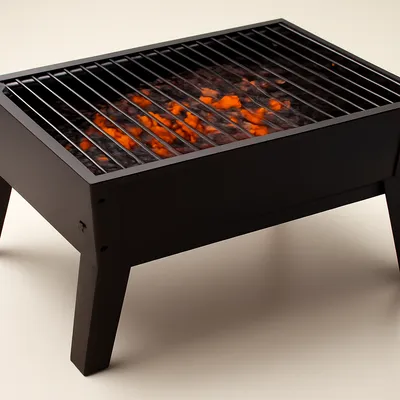
An open or hooded metal frame holding a bed of glowing charcoal embers, with a grate above. Charcoal burns at 700°C+ on the surface and emits short-wave infrared, which cooks proteins faster and with deeper Maillard browning than gas. Hardwood lump charcoal (oak, mesquite, fruitwood) lends its own smoke; cheap briquettes do not. Mastery is mostly heat zoning — direct over coals for searing, indirect off-coals for slow-roasting.

A long stainless-steel skewer, 60-90 cm, used in Brazilian churrascarias to pierce whole cuts of beef (picanha, fraldinha, costela), lamb, and chicken hearts. The skewers rotate over open charcoal fires; servers walk between tables and slice meat directly off the skewer onto diners' plates (the rodízio model). The shaft must be heavy-gauge stainless to support 2-3 kg cuts that hang and rotate without bowing.