A whole bottom-sirloin flap grilled over charcoal until the surface chars and the inside stays rosy and dripping. Loose, long-grained, and emphatically beefy, fraldinha is a churrascaria mainstay carved across the grain into juicy strips and eaten with farofa and vinaigrette — a different animal from the fat-capped picanha or the bony costela.



Fraldinha is a butcher's cut that the São Paulo churrasco scene turned into a star. The muscle is sold internationally with confusingly different names — sirloin flap or flap meat in the US, bavette in France, often mistaken for true flank — and it sat unloved in Brazilian markets until the 1970s. By widely-told accounts, steakhouse owner Marcos Bassi began featuring it after a French customer asked for 'bavette,' and the diminutive name 'fraldinha' (little diaper, for its thin, draping shape) was popularized through São Paulo's restaurant culture, sometimes credited to television director José 'Boni' Bonifácio. Regional Brazilian naming stayed muddled — in Rio Grande do Sul the gaúcho 'vazio' refers to what the rest of the country calls fraldinha — but the cut became a fixture of the rodízio churrascaria, grilled simply with coarse salt over coals.
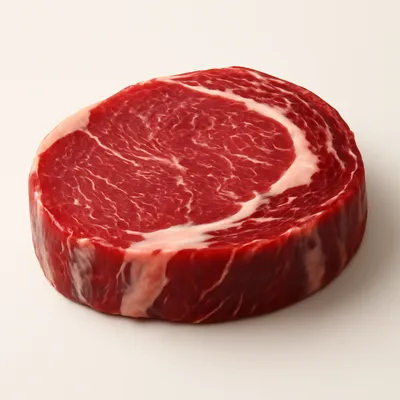
The first bite reads loose and shaggy — long fibers you can see, pulling apart in juicy threads rather than a clean steak slice. There's real chew if it's cut wrong, but sliced thin against the grain it gives way easily, flooding with beef juice. The charred crust is salty and crisp; just beneath, a band of rendered fat seam and a thin silvery membrane add richness at the edges. You eat it medium-rare, draped over farofa to catch the drippings, brightened by spoonfuls of tomato-and-onion vinaigrette.
Fraldinha is a thin, flat abdominal muscle with long, coarse, parallel fibers — the grain runs the length of the cut. That structure is the whole story: cut along the fibers and each bite is a long unbroken strand that fights the teeth; carved at a right angle across the grain, the same fibers are shortened to soft, easily-severed segments. The loose grain and higher intramuscular fat (more than lean flank) trap juice and stay moist, so the cut rewards fast, high heat. Coarse salt drawn onto the surface pulls moisture out, dissolves, then partly reabsorbs as a brine that seasons deeper and drives a hard Maillard crust over hot coals; pulling the meat at medium-rare (about 52–55°C) keeps the long fibers from contracting and squeezing out their water. A rest lets the juices redistribute before slicing.
Variations
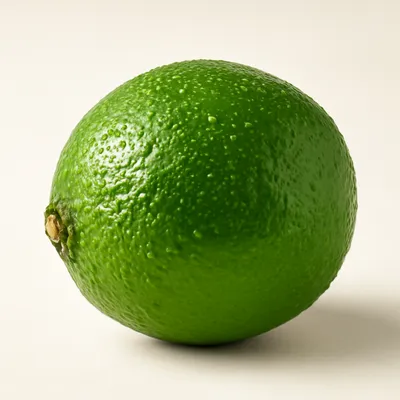
The simplest and most traditional treatment is whole, seasoned only with coarse salt and grilled over coals to medium-rare, then sliced against the grain. Many cooks fold the piece fat-side-out and render the fat seam first, or roll and skewer it as 'fraldinha pirulito' (lollipop) cut between toothpicks. Marinated versions appear too — garlic, lime, and chimichurri-style herb oils, or an overnight bath since the open grain absorbs flavor readily. Pieces are also braised or oven-roasted whole. Across central and northern Brazil it's fraldinha; in the gaúcho south the names blur with vazio, and butchers elsewhere sell the same muscle as sirloin flap or bavette.
On the Palate
Where Fraldinha sits in the Brazilian flavor cloud
Ingredients
Serves 4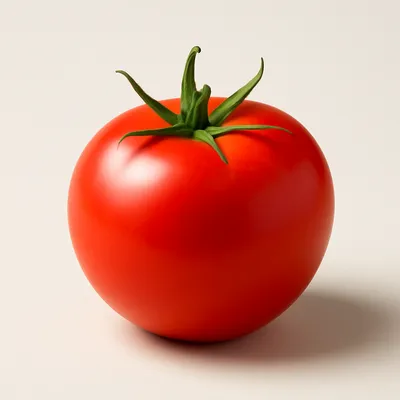
How it's made
7 steps · 25 min active + 15 min waiting
- 135 min
Take a whole fraldinha (bottom sirloin flap) out of the fridge 30–40 minutes ahead to come to room temperature; pat dry and trim any thick excess fat, leaving the seam.
- 220 min
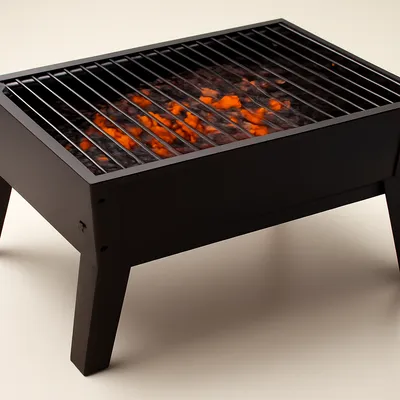
Build a hot charcoal fire and let it burn to glowing embers; set the grill grate about 30–40 cm above the coals.
- 31 min
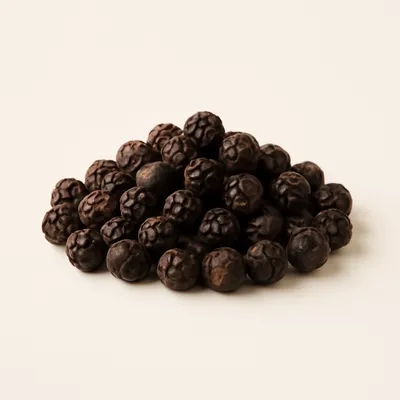
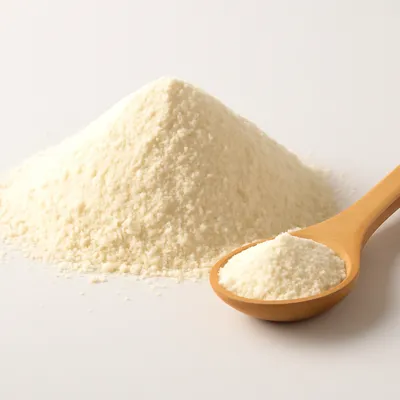
Season generously all over with coarse salt just before grilling (and cracked black pepper if you like).
- 416 min
Lay the meat fat-side down over the hottest coals to render and crust the fat, then grill each side over high heat, turning once, until a dark char forms — roughly 6–10 minutes per side depending on thickness.
Watch outLay it fat-side down first to render and crust — then sear hard for a dark char that seals the loose-grained meat's juice in.
- 51 min
Pull the fraldinha at medium-rare, about 52–55°C at the center, watching the thinner tip which cooks faster.
Watch outPull it at medium-rare — this cut goes dry and chewy past that, and the thin tip cooks faster than the rest.
- 68 min
Tent loosely with foil and rest 5–10 minutes so the juices redistribute.
- 75 min
Slice thinly across the grain and serve with farofa (toasted cassava flour) and tomato-onion vinaigrette; lime and garlic on the side.
Watch outSlice thin straight across the grain — cut with the fibers and every bite is a long, chewy strand.
Archive tool suggestions — not reviewed
These legacy suggestions have not been evidence-reviewed and are not presented as required tools.