



São Paulo countryside in the 19th c., originally a folk remedy for the Spanish flu around 1918 — cachaça with lime, garlic, and honey. The garlic and honey dropped off; sugar replaced honey. Brazil decreed it the national cocktail in 2003 (Decree 4851).
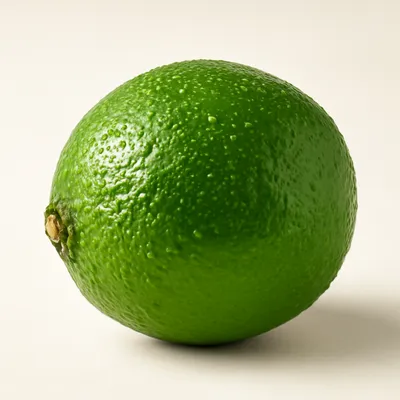
Brazilian law (Decree 4851/2003) defines caipirinha as cachaça-only; substituting vodka makes it a caipiroska, sake makes it a caipisake. Lime must be Tahiti (Persian) lime, not key lime — the latter is too acidic.
Cloudy from the muddled lime oils, ice cracked not cubed. Sugar grit at the bottom you stir up as you drink. Sharp lime, raw sugarcane funk from the cachaça, no dilution from soda or water. Hits hard.
Muddle lime with sugar BEFORE adding cachaça — sugar acts as abrasive to extract oils from the peel. Use the white pith side down. Cachaça must be cachaça, not rum; the agricole-style sugarcane juice base is non-substitutable.
Variations
Bahia version uses brown sugar (rapadura) for molasses depth; Minas Gerais bars favor artisanal aged cachaça (cachaça envelhecida) and skip muddling violently. Caipifruta swaps lime for passion fruit, kiwi, or strawberry.
On the Palate
Where Caipirinha sits in the Brazilian flavor cloud
Ingredients
Serves 1How it's made
4 steps · 5 min active + 1 min waiting
- 12 min
Cut 1 fresh lime into 8 wedges; place in a sturdy glass.
- 22 min
Add 2 tsp sugar; muddle lime and sugar together releasing oils and juice.
Watch outPress the lime and sugar together before the cachaça goes in — the sugar grinds the peel oils out; stop before you crush the bitter pith.
- 31 min
Fill glass with crushed ice; pour 60 ml cachaça over.
Watch outFill with crushed ice and use real cachaça — its raw sugarcane bite is the drink; rum makes a different cocktail entirely.
- 41 min
Stir with a long spoon to chill; serve immediately.


