
A coconut confection sold at every street fair, beach kiosk, and roadside stall in Brazil — shredded coconut cooked down with sugar (and often condensed milk) until it sets into chewy clusters or sliceable squares. It comes in two main guises: cocada branca, kept pale and milky, and cocada queimada, cooked further until the sugar caramelizes to a deep amber. Cheap, portable, and intensely sweet, it is one of the country's oldest doces.


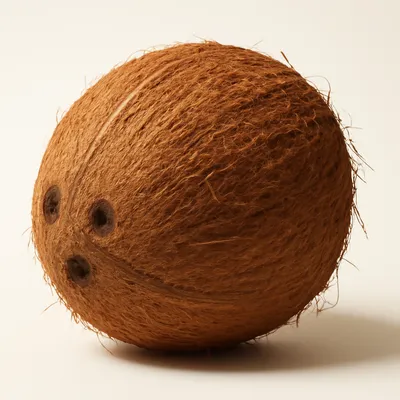
Cocada traces to the colonial sugar economy of the Northeast, where the coconut palm — carried by the Portuguese along their trade routes from the Indian Ocean and East Africa — met the cane sugar pouring out of the engenhos. Enslaved and freed African and Afro-Brazilian cooks, many of them the street vendors known as quitandeiras and ganhadeiras, are credited with shaping it into the doce de tabuleiro (tray sweet) tradition still hawked on Bahian streets today. Cocada now belongs to the whole country, but its roots are firmly in the coconut coast of Bahia and Pernambuco.
Chewy, dense, and unapologetically sweet — coconut shreds bound in a sugar matrix that pulls slightly at the teeth. The white version tastes clean and milky, the coconut still bright; the burnt version carries a toasted, almost butterscotch depth from the caramelized sugar, with browned edges. Threads of coconut catch between the teeth. A small piece is plenty; it is sugar first, coconut second.
It is a controlled crystallization-and-caramelization cook. Sugar and liquid (water, coconut milk, or condensed milk) are boiled with the coconut until enough water evaporates that the sugar concentrates toward a soft-ball stage; on cooling the syrup sets and grips the coconut. For cocada branca the cook stops while the syrup is still pale and short of heavy browning. For cocada queimada the cook pushes further, so caramelization darkens the sugar and adds toasted aroma — the line between rich amber and acrid burnt is a matter of seconds. Condensed milk versions stay creamier because milk proteins and fat soften the set and add Maillard color.
Variations
Cocada branca (pale, milky) and cocada queimada (caramelized) are the two poles. Cocada de forno is baked into a firmer cake-like slab; cocada cremosa or de colher stays loose and is eaten by the spoon. Bahian street trays often tint pieces with food coloring, sell them studded with prunes or other fruit, or flavor them with maracujá (passionfruit). In the Northeast a softer version is made with green (immature) coconut for a more tender chew.
On the Palate
Where Cocada sits in the Brazilian flavor cloud
Ingredients
Serves 12How it's made
5 steps · 35 min
- 18 min
Grate fresh coconut or measure out shredded coconut.
- 22 min
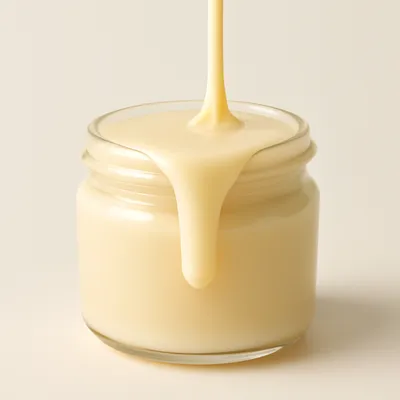
Combine the coconut with sugar and a liquid — water, coconut milk, or condensed milk — in a heavy pan.
- 315 min
Cook over medium heat, stirring constantly, until the mixture thickens and the syrup reaches a soft, sticky stage.
Watch outStir constantly and watch for the syrup to pull thick and sticky off the spoon — that soft-ball thickness is what makes it set.
- 43 min
For cocada branca stop while pale; for cocada queimada continue until the sugar caramelizes to a deep golden brown.
Watch outFor the burnt version, the line from deep-amber to acrid is seconds — pull it the moment it smells toasty, before it turns bitter.
- 52 min
Drop spoonfuls onto a greased tray or oiled surface, or spread to set, then cool until firm before serving.
Archive tool suggestions — not reviewed
These legacy suggestions have not been evidence-reviewed and are not presented as required tools.



