Tapioca pearls simmered in red wine sweetened and spiced with cinnamon and clove, a deep-garnet pudding that is the iconic dessert of the Serra Gaúcha wine country. As the pearls cook they swell and turn translucent, taking on the wine's color until each looks like a tiny ruby bead suspended in syrup. Brought to the table chilled, often with a spoon of crème anglaise or vanilla custard alongside, it is the sweet that closes a Sunday meal across the Italian-Brazilian highlands of Rio Grande do Sul. Simple, festive, and unmistakably tied to the region's vineyards.





Sagu de vinho is a product of Italian immigration to the Serra Gaúcha, the highland zone around Bento Gonçalves, Caxias do Sul, and Garibaldi settled from 1875 by families from northern Italy who planted the vineyards that made the region Brazil's wine heartland. The dessert marries an abundant local ingredient — wine — with sagu, the pearled starch then available, originally true sago palm starch but today almost always cassava tapioca. It became the festive close to family meals across the colony and a fixture of its cantina cooking, drawing directly on the household wine that every immigrant family pressed. Its identity is regional rather than nationally Brazilian, rooted in this specific wine-growing diaspora.
Spooned cold from a glass, a mound of deep wine-red pearls glistening in their own syrup. Each pearl is slippery and bouncy with a soft, slightly chewy bite, bursting between the teeth into a cool sweetness threaded with cinnamon warmth and clove. The wine reads as fruity and gently tannic rather than alcoholic, since long simmering cooks most of it off. A pour of pale vanilla custard alongside softens the sharpness and turns it creamy. It is light on the stomach after a heavy meal, refreshing rather than rich.
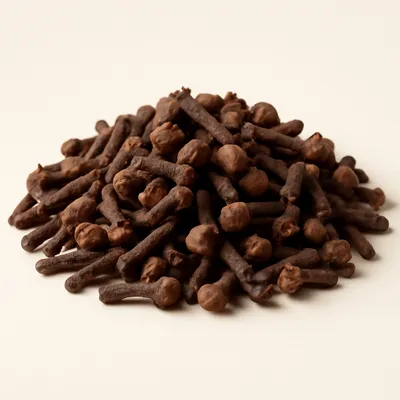
Tapioca pearls are nearly pure starch; dropped into hot liquid they hydrate and gelatinize from the outside in, swelling and turning glassy while the very center can stay slightly opaque if cooked too fast. The trick is a gentle simmer with enough liquid, often soaking the pearls first, so they cook through evenly without clumping or going gluey, the released starch thickening the wine into a light syrup. The wine itself is reduced as it simmers, concentrating fruit and color while driving off most of the alcohol, and the cinnamon stick and cloves infuse a warm spice over that time. Chilling firms the pearls and sets the syrup.
Variations
The classic uses dry or semi-sweet red wine; some make a lighter sagu de suco with grape juice for children or non-drinkers, common in the same region. Quality varies with the wine — colonial house reds give the most authentic Serra flavor. Pearls range from fine to large depending on the sagu grade. It is most often paired with crème anglaise (creme de baunilha); some serve it plain, others fold in poached pear or extra spice. A white-wine or port-style version appears occasionally.
On the Palate
Where Sagu de Vinho sits in the Brazilian flavor cloud
Ingredients
Serves 6How it's made
7 steps · 25 min active + 35 min waiting
- 120 min
Rinse the tapioca pearls and soak them in cold water for about 20 minutes to start hydrating.
Watch outSoak the pearls first, then simmer gently — dropped into fast-boiling liquid they cook glassy outside while the center stays chalky and opaque.
- 25 min
Pour red wine into a pot with water, sugar, a cinnamon stick, and a few cloves and bring to a gentle simmer.
- 32 min
Drain the pearls and add them to the simmering wine, stirring so they don't stick.
- 425 min
Simmer gently, stirring often, until the pearls swell, turn translucent, and take on the wine's deep color.
Watch outStir often and cook until the pearls turn fully translucent and take on the wine's color — any white core means they're not done.
- 53 min
Adjust sweetness and let the released starch thicken the liquid into a light syrup.
- 630 min
Remove the cinnamon and cloves, then cool and chill until set and cold.
- 73 min
Serve in glasses, with vanilla custard alongside if desired.
Archive tool suggestions — not reviewed
These legacy suggestions have not been evidence-reviewed and are not presented as required tools.



