The hot, spiced drink of Brazil's winter June festivals — its name means roughly 'the big hot one.' Cachaça is gently mulled with plenty of fresh ginger, cinnamon, cloves and sugar until it is sweet, fiery and aromatic, then drunk steaming. It is the defining beverage of the Festas Juninas and the feast of São João, when bonfires and quadrilha dancing fill the cold June nights across the country. The ginger gives it a real throat-warming heat on top of the alcohol's. A wine version is also common, but the cachaça quentão is the classic.




Quentão belongs to the Festas Juninas, the June festivals that honour Catholic saints' days — chiefly Saint John (São João) on the 24th — folk celebrations brought by the Portuguese and rooted in the rural Northeast and the Southeast, marked by bonfires, country dress and quadrilha square dancing. The drink is widely said to have taken shape in Minas Gerais, a cold-wintered, cachaça-producing state, and reflects a clear lineage: the Portuguese tradition of warm spiced and mulled drinks, remade with Brazil's own sugarcane spirit in place of wine and warmed with ginger, a spice long established in the colony. Served against the chill of the June nights of the Brazilian winter, it is now inseparable from the festivals nationwide.
Served in a cup straight off the heat, deep amber and clouded with spice. The first thing is sweetness and the warm, pungent bite of ginger, with cinnamon and clove behind it and the cachaça's heat running under everything — sweet, hot, alcoholic and spicy all at once. It genuinely warms you from the inside, the ginger's burn doubling the spirit's. Sipped slowly, holding the cup for the heat, around a bonfire on a cold night. Strong; it is meant to be felt.
The drink is built by simmering, not boiling hard: sugar is first melted in a pan, sometimes cooked to a light caramel for colour and depth, then the cachaça is added with sliced fresh ginger, cinnamon sticks and whole cloves, and the lot is held at a low simmer so the spices infuse and the harsh edge softens. Kept too hot or too long the alcohol boils off, so it is warmed gently and served while still spirited. The ginger does double duty — its compound gingerol gives a genuine warming pungency that reinforces the sensation of the alcohol, which is exactly the point on a cold June night.
Variations
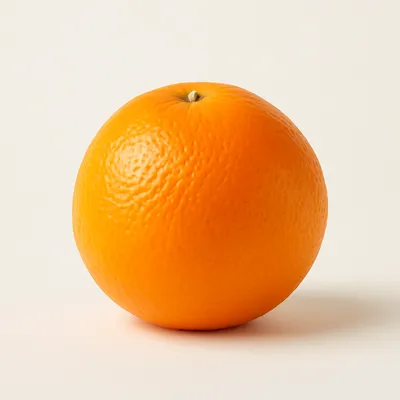
The two main forms are quentão de cachaça and quentão de vinho, the wine version made with red wine in place of (or alongside) the spirit, often preferred as the milder option. Orange or its peel is a frequent addition, and the spicing varies with star anise, allspice or lemongrass. A non-alcoholic version for children swaps the cachaça for more juice and water. It is the winter counterpart to the cold drinks of Carnival, and at the June festivals it stands beside the corn dishes — pamonha, canjica, curau — that define the season.
On the Palate
Where Quentão sits in the Brazilian flavor cloud
Ingredients
Serves 6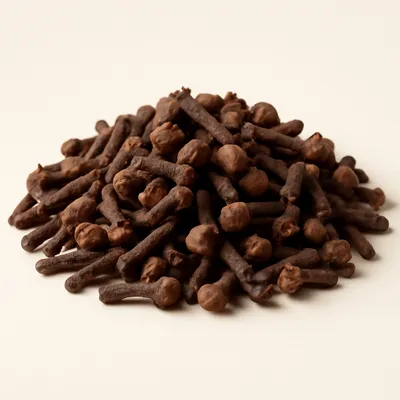
How it's made
6 steps · 15 min active + 15 min waiting
- 13 min
Peel and slice plenty of fresh ginger.
- 25 min
Melt the sugar in a wide pan over medium heat until dissolved, letting it colour to a light caramel if you like.
Watch outMelt the sugar to a light caramel if you want depth and color — but stop before it darkens, or it turns bitter and muddies the drink.
- 32 min
Pour in the cachaça (stand back from the heat), then add the ginger, cinnamon sticks and cloves.
- 410 min
Bring to a gentle simmer and hold it there, never a hard boil, so the spices infuse and the harshness softens.
Watch outHold it at a gentle simmer, never a hard boil — a rolling boil drives off the alcohol and leaves it flat and spiritless.
- 55 min
Add water or orange to taste, simmer a few minutes more, then strain out the spices.
- 62 min
Ladle into cups and serve steaming hot.
Archive tool suggestions — not reviewed
These legacy suggestions have not been evidence-reviewed and are not presented as required tools.


