A festa sweet whose name translates as 'mother-in-law's eye': a pitted prune slit open and stuffed with a knob of beijinho — the coconut-and-condensed-milk fudge — so the dark fruit framing the pale white filling looks back at you like a single staring eye. It is finished with a clove pressed in or a dusting of sugar, and served in a small paper cup alongside brigadeiro and beijinho at every Brazilian birthday party and wedding. The pull of it is the contrast: the tart, almost winey prune against the dense tropical sweetness of the coconut center.





Olho de sogra descends from the doces conventuais — the convent sweets Portuguese nuns built around egg yolks, sugar, and dried fruit — and the recipe as Brazilians know it settled into place in the 20th century, once tinned condensed milk made the coconut filling cheap and reliable. The name is pure folklore, and several stories compete: that the halved prune simply looks like an eye; that a daughter-in-law coined it as a joke, perching a cut prune on a sweet she was making as if it were her mother-in-law's eye watching every move in the kitchen; or that it mocks the fixed, unblinking gaze a mother-in-law was said to train on a courting couple. The food historian Solange Demeterco has noted all three readings. No version carries a documented inventor or date.
Bite through the prune and it gives at once — soft, chewy, dark, with that tart raisiny tang prunes carry. The center is a different world: a cool, dense coconut fudge, milky and very sweet, the texture of a soft caramel. The two read against each other in the same mouthful, sour fruit then sweet cream, and the sugar coating crackles faintly at the start. A single clove, if used, lands a small warm spice note. One is rich enough to count.
The filling is a beijinho cook: condensed milk, grated coconut, and a little butter stirred over low heat until the mass evaporates down and pulls clean from the pan — the ponto, where the milk sugars have concentrated enough to set firm once cool and hold a stuffed shape without weeping. The prune does the structural work the other way: drying plums concentrates their sugars and pectin and drives off water, leaving fruit pliable enough to slit and pack yet sturdy enough to stay shut around the filling. Roll while the fudge is still warm and workable; once chilled it firms to a sliceable density. The sugar coat is not just looks — it keeps the sticky surface from gluing the sweets to each other in the cup.
Variations
The classic uses pitted prunes and a beijinho (coconut) filling; some kitchens fill with plain brigadeiro instead, or with doce de leite. A clove pressed into the white center is common, echoing the way beijinho is finished. Date or dried apricot stand in for the prune in some homes. Upscale versions glaze the fruit or dip the base in chocolate, but the party-tray standard stays prune, coconut, and a roll in sugar.
On the Palate
Where Olho de Sogra sits in the Brazilian flavor cloud
Ingredients
Serves 12How it's made
5 steps · 40 min
- 115 min
Cook the filling: stir condensed milk, grated coconut, and a little butter in a pan over low heat, stirring constantly until the mass thickens and pulls away from the pan bottom; let it cool until workable.
Watch outCook the coconut fudge until the mass pulls clean off the pan bottom in a sheet — that's the ponto; stop early and it weeps and won't hold a stuffed shape.
- 28 min
Slit each pitted prune along one side to open a pocket without cutting it in two.
- 310 min
Roll a small ball of the coconut fudge and tuck it into each prune so a dome of white filling shows in the opening.
Watch outRoll and stuff while the fudge is still warm and workable — once it chills it firms up too stiff to shape.
- 44 min
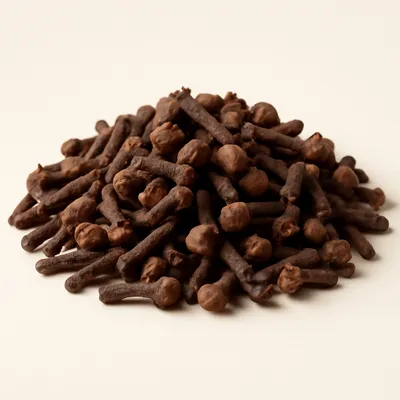
Press a clove into the white center if using, or pinch the prune neatly around the filling.
- 58 min
Roll each stuffed prune in refined sugar to coat and set each one in a small paper cup to serve.
Archive tool suggestions — not reviewed
These legacy suggestions have not been evidence-reviewed and are not presented as required tools.