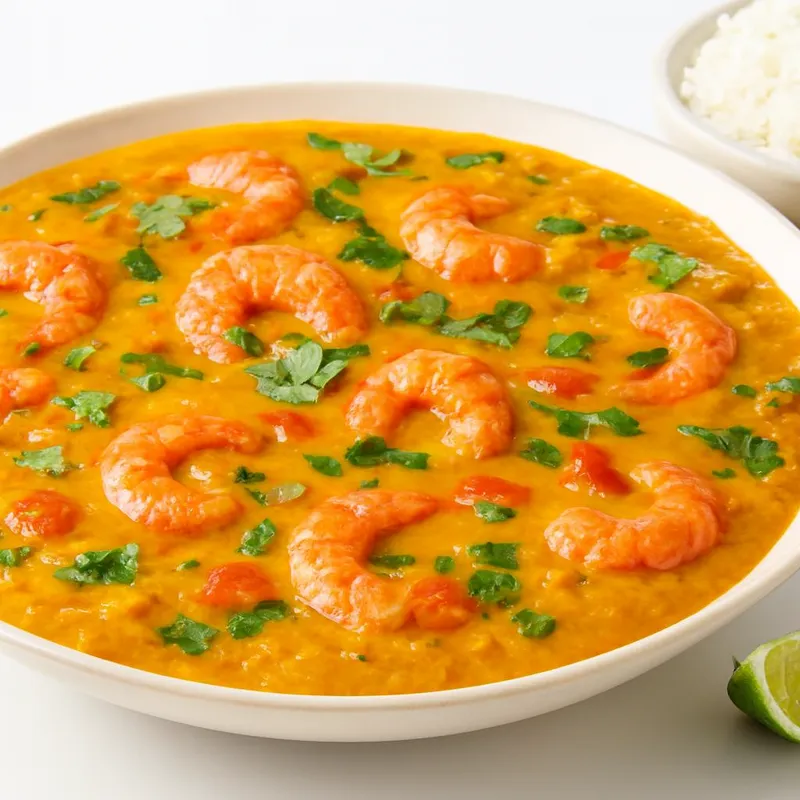



A Bahian dish from Salvador, born in the kitchens of enslaved African women (mostly Yoruba, brought to Brazil between the 16th and 19th centuries). Vatapá's core technique — thickening a stew with toasted nuts and stale bread — descends from West African groundnut cookery, fused with Portuguese bread-thickening (açorda) and indigenous coconut and chili. It became a street food sold by Baianas de acarajé, women in white lace dresses still working in Salvador today.
Salvador kitchen-craft from enslaved Yoruba women — West African groundnut thickening fused with Portuguese bread-thickening (açorda) and indigenous coconut. Dendê palm oil is non-substitutable; its carotenoids carry the red-orange color and a savory-floral note no other oil reaches.
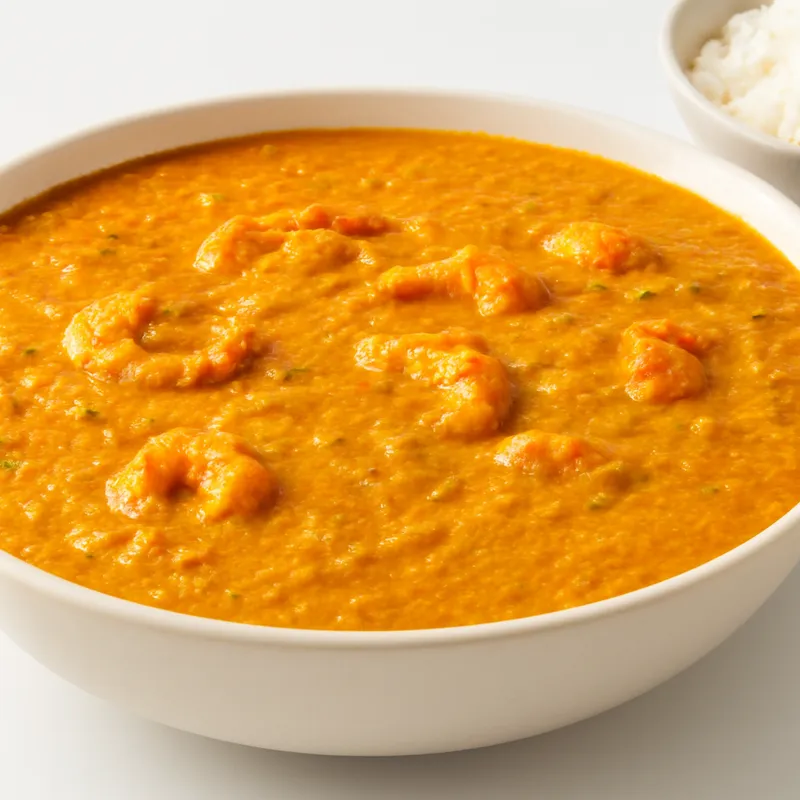
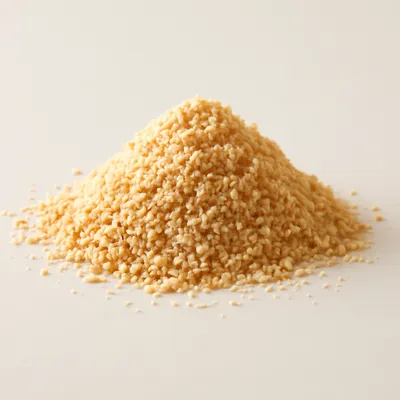
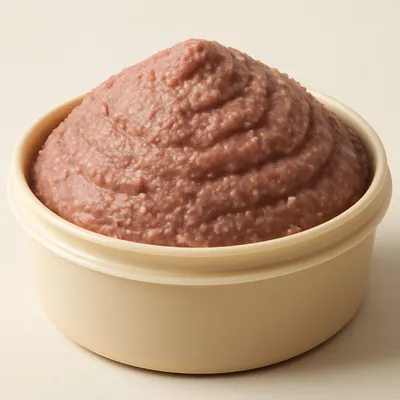
A thick orange-red paste, almost the consistency of polenta, scooped onto a plate next to white rice. Shrimp, ground peanuts, cashews, stale bread, coconut milk, and dendê (red palm oil) all blend into one body — you taste the palm oil's earthy-savory note first, then the seafood depth, then the slow burn of malagueta chili. Eaten with acarajé or as part of a moqueca plate; never on its own.
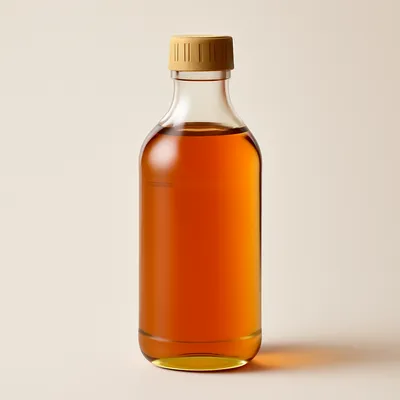
Dendê palm oil is non-substitutable here — its carotenoid pigments give the dish its red-orange color and a specific savory-floral note no other oil carries. African red palm oil also has a smoke point low enough that overheating destroys the flavor; Bahian cooks add it late and barely warm it. Replace dendê with regular palm oil or annatto and the dish reads as a generic shrimp paste.
Variations
Bahian shrimp version (the Salvador street standard); vatapá de galinha (chicken, popular in Recife); vegetarian palm-heart version in Pelourinho; Casa de Tereza in Salvador still grinds the nuts on stone.
On the Palate
Where Vatapá sits in the Brazilian flavor cloud
Ingredients





How it's made
5 steps · 2 hours
- 126 min
Soak the bread in coconut milk until soft, then blend into a smooth paste.
- 242 min
In a pan, heat palm oil and sauté onions, ginger, and garlic until fragrant.
Watch outAdd the dendê and barely warm it — its red-orange color and flavor cook out over high heat, so Bahian cooks keep it low and gentle.
- 316 min
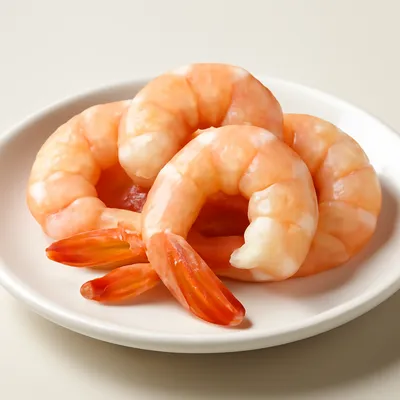
Add the shrimp, peanuts, and cashews, stirring to combine.
- 426 min
Pour in the bread mixture and continue to cook, stirring constantly.
Watch outStir without stopping as the bread paste thickens — leave it and the bottom catches and scorches, and a scorched note runs through the whole pot.
- 510 min
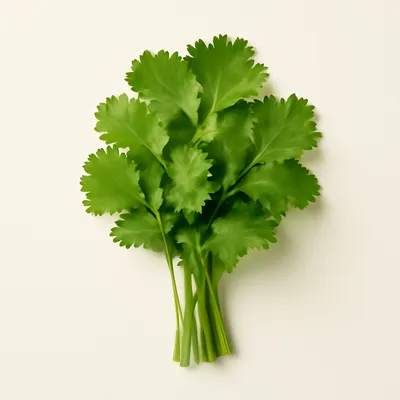
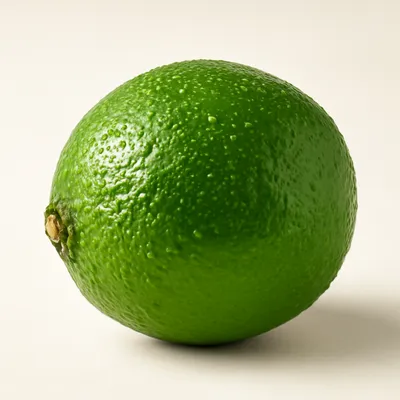
Season with lime juice, salt, and cilantro before serving.
Archive tool suggestions — not reviewed
These legacy suggestions have not been evidence-reviewed and are not presented as required tools.