
A hot Andean purple-corn drink from the Bolivian altiplano — dried purple maize (with a little yellow maize) ground to a flour, soaked, then simmered with cinnamon, clove, orange peel, and sugar into a thick, warming, deep-purple porridge-like beverage. ("Api" is Quechua for mazamorra, a thick maize gruel, and it can run thick enough to spoon rather than sip.) A classic cold-morning street breakfast in La Paz, Oruro, and Potosí, served steaming hot alongside a crisp fried-dough buñuelo or a cheese-filled pastel.

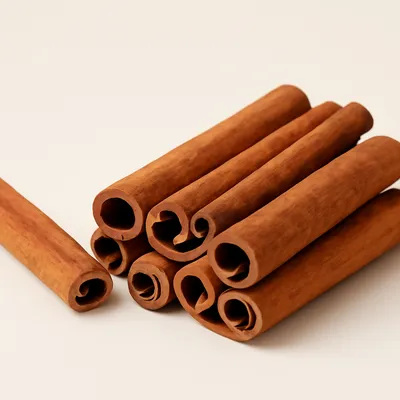
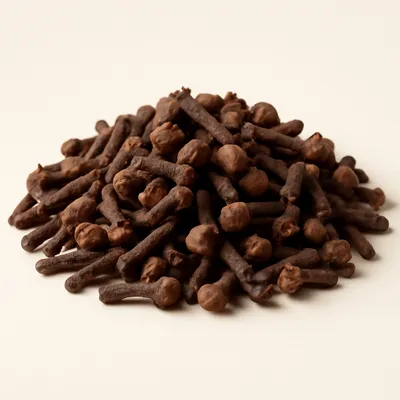


Purple corn (maíz morado, called culli in Quechua) is a pre-Columbian Andean cultivar prized for its intense anthocyanin pigment, and drinking it as a simmered maize gruel goes back to Inca times and earlier — the chronicler Inca Garcilaso de la Vega recorded in his early-17th-century Comentarios reales that the people "made porridges they call api, and ate them with great rejoicing." The drink survives today across Bolivia, Peru, and northwest Argentina, and within Bolivia is generally traced to the mining city of Oruro. The Spanish-colonial additions of cinnamon, clove, and cane sugar gave it the sweetened, spiced modern form; before that the Inca cooked it from purple corn and water alone.
Deep-purple, sweet, and thick like a loose porridge — thick enough at times to spoon. Cinnamon-warm up front, clove-aromatic behind it, with a thread of orange peel. Eat it hot, alternating sips with a salty cheese pastel or a fried buñuelo; the sweet, starchy drink against the salty, crisp pastry is the heart of an altiplano breakfast.
The corn starch swells and gelatinizes during the slow simmer, thickening the drink to a loose-porridge consistency; the corn flour is whisked into the hot liquid gradually and stirred constantly to keep it from going lumpy. The deep purple comes from anthocyanins — chiefly cyanidin-3-glucoside, roughly half the pigment load — which concentrate most heavily in the cob and are also a well-known natural antioxidant. Anthocyanin color is pH-sensitive (redder and more stable in acid, shifting blue-purple but less stable as it turns alkaline), and long high-heat cooking cleaves the pigment's glycosidic bonds, so the color fades a little but holds. Cinnamon and clove provide warming sweetness, and the salty pastry pairing balances the sugar.
Variations
Served with a cheese pastel or fried buñuelo — the classic altiplano breakfast pairing. A white version (api blanco) is made from white maize, paler and milder, often poured half-and-half with the purple into one cup. An orange-juice version adds fresh citrus.
On the Palate
Where Api Morado sits in the Bolivian flavor cloud
Ingredients
Serves 4How it's made
6 steps · 20 min active + 40 min waiting
- 132 min
Soak 2 cups purple-corn flour (or 1 cup purple-corn kernels ground) in 1 L water for 30 min.
- 23 min
In a pot, combine soaked corn-water mixture, 1.5 L water, 2 cinnamon sticks, 4 cloves, peel of 1 orange.
- 325 min
Bring to a simmer; cook 25 min stirring frequently to prevent the corn starch from sticking.
Watch outSimmer 25 minutes stirring often, especially scraping the bottom — the corn starch sinks and scorches the second you leave it, and a scorched bottom taints the whole pot.
- 43 min
Sweeten with 3/4 cup sugar (or panela for deeper flavor); stir until dissolved.
Watch outStir the sugar in until it fully dissolves and the drink thickens to a loose porridge that just coats the spoon — that's the right pourable-but-bodied consistency.
- 52 min
Remove cinnamon, cloves, orange peel; pour into mugs.
- 61 min
Serve steaming hot — traditionally with salty pasteles (cheese-stuffed pastry) for the salty-sweet contrast.
Archive tool suggestions — not reviewed
These legacy suggestions have not been evidence-reviewed and are not presented as required tools.


