
Walnut halves threaded on string, repeatedly dipped into a thickened, spiced grape-must syrup until they build up a smooth, candle-like coating, then hung to dry. Sliced into chewy rounds, it is jokingly called 'Armenian Snickers.' A traditional treat of the autumn grape harvest. Closely related to the Georgian churchkhela.



Known in Armenian as sharots or 'sweet sujukh' (kaghtsr sujukh), this walnut-and-grape-must confection is a traditional grape-harvest sweet of the South Caucasus. 'Sharots' derives from a root meaning 'to line up / lay in layers,' for the way the walnuts are threaded onto string; 'sujukh' shares its name with the Turkic word for sausage, after the candy's sausage-like shape — though unrelated to the savory fermented-meat sujuk. At the autumn grape pressing, households cooked down the grape syrup (doshab) and dipped strings of walnuts to make it, hanging the candy to dry so it kept all winter; the sweet-sharots tradition of the Ashtarak region is on Armenia's list of intangible cultural heritage. It belongs to the same Caucasian family as the Georgian churchkhela, which Georgian armies are said to have carried on campaign as a durable, calorie-dense ration — one of the world's earliest energy bars.
Chewy and faintly leathery on the outside, giving way to crunchy walnuts within. The grape coating is sweet but not cloying, with a fruity tang and warm hints of cinnamon and clove. Like nature's own nougat bar.
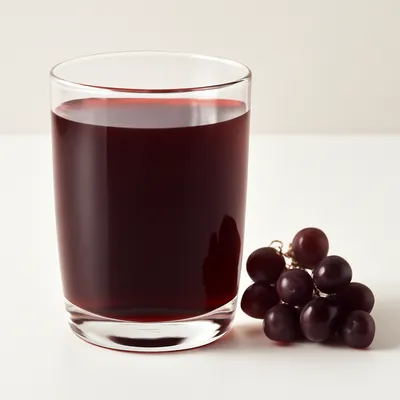
Fresh grape must is first strained through cheesecloth and clarified with bentonite clay (from Ashtarak, called 'doshab clay') to cut its acidity, then cooked down to doshab syrup. Thickening is starch gelatinization: starch granules in flour or cornstarch swell in the hot must from about 60°C, burst near 85°C to release starch into the liquid, and fully gelatinize around 96°C, so the syrup clings to the nuts. Repeated dipping and drying builds smooth, candle-like layers; air-drying then evaporates moisture so the high-sugar, low-water coating sets firm into a sliceable fruit-leather that stores for months. (In Georgia the thickened must is called tatara in the east, made with wheat flour, and pelamushi in the west, made with corn flour.)
Variations
Walnut, hazelnut or almond fillings, grape or mulberry must, with or without flour thickener, regional spice blends
On the Palate
Where Sweet Sujukh sits in the Armenian flavor cloud
Ingredients
Serves 12How it's made
8 steps · 30 min
- 115 min
Thread shelled walnut halves onto a sturdy string, leaving a loop at the top.
- 225 min
Boil down fresh grape juice (or grape molasses) with a little sugar.
- 315 min
Whisk in flour to make a smooth slurry and cook into a thick, glossy pudding-like syrup.
Watch outCook the flour into the must until it turns thick, glossy and pudding-like and coats the spoon — too thin and it just drips off the walnuts.
- 45 min
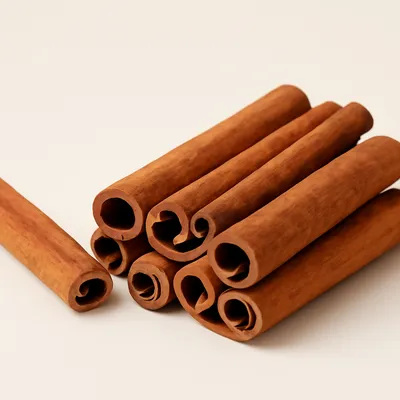
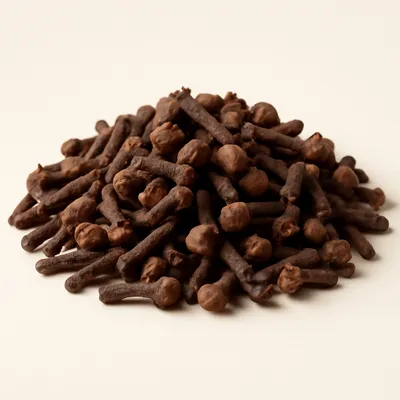
Flavor the syrup with cinnamon and cloves and let it cool slightly so it clings.
- 58 min
Dip the walnut string fully into the warm syrup and lift to let excess drip off.
Watch outDip while the syrup is warm and still flowing, then lift and let it drip — if it's gone cold and stiff, the coat clumps instead of laying smooth.
- 630 min
Hang to dry, then re-dip several times until a thick even coating builds up.
- 710080 min
Hang the finished sujukh in a cool, airy place to dry for one to two weeks.
Watch outHang in a cool, airy spot for a week or two until the surface is firm and no longer tacky to the touch — that's when it slices clean.
- 85 min
Once firm and no longer sticky, slice crosswise into chewy rounds to serve.


