
Lean beef or veal pounded to a smooth, springy paste, shaped into large smooth ovals and gently poached until silky and tender. The famous Echmiadzin-style kufta is served sliced with butter and herbs. Its glossy, bouncy texture comes entirely from long pounding, not breadcrumbs.
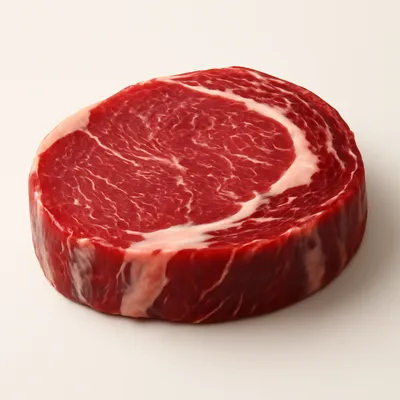




The Armenian member of the wide kofta family, whose name comes from the Persian kufteh, 'pounded meat,' from the verb meaning to pound, crush, or beat — the same root behind the kebab koobideh. The boiled, pounded style (kololak) is tied to Echmiadzin, the holy city that is the seat of the Armenian Apostolic Church, and is a prized celebratory dish made by laboriously beating the meat to a paste for up to an hour, traditionally by the family's elders. Bound entirely by its own salt-extracted proteins, with no breadcrumbs or grain, it sets itself apart from Middle-Eastern kibbeh: leaner, beaten finer, and poached rather than fried.
Remarkably smooth and bouncy, almost like a savory meat dumpling, with a clean, delicate beef flavor lifted by onion and pepper. The melted butter makes it glossy and rich, and a squeeze of lemon keeps each bite bright.
Prolonged pounding breaks down muscle fibers and extracts sticky proteins that bind the meat into a springy, emulsified paste without any filler. Gentle poaching sets this delicate structure without toughening it.
Variations
Echmiadzin boiled kufta, harissa-spiced versions, filled kufta with nuts or fried onion in the center, fried or grilled shapes
On the Palate
Where Kufta Armenian sits in the Armenian flavor cloud
Ingredients
Serves 6How it's made
8 steps · 40 min
- 115 min
Trim lean beef or veal of all fat and sinew and chill thoroughly.
- 225 min
Pound the cold meat with a heavy mallet (or process with ice) into a smooth, sticky paste.
Watch outPound the cold meat until it turns into a smooth, sticky paste that clings to the pestle — that stickiness is what binds it with no filler.
- 310 min
Beat in grated onion, salt and pepper, working until the paste turns pale and springy.
Watch outBeat until the paste lightens in color and springs back when pressed; that's when it's aerated enough to poach up bouncy.
- 415 min
Wet hands and shape the paste into large smooth ovals or balls, optionally filling the centre.
- 58 min
Bring a wide pot of lightly salted water to a gentle simmer.
- 618 min
Slip the kufta in and poach gently until they float and are cooked through, 15-20 minutes.
Watch outKeep the water at a lazy simmer, never a boil — they're cooked once they float, and hard bubbles would tear the delicate paste apart.
- 75 min
Lift out carefully and let rest briefly so they firm up.
- 84 min
Slice or serve whole, dressed with melted butter, herbs and a squeeze of lemon.


