
A plain white-corn paste, cooked until smooth and thick, then portioned hot into pieces of banana leaf that are folded and left to set firm. It is unwrapped from the leaf to eat — soft, bland, and cooling, somewhere between a custard and a stiff polenta. In Afro-Bahian cooking it is the standard companion to acarajé, caruru, vatapá, and other dendê-heavy dishes, its mildness balancing their salt and chili. It is also the single most important ritual food of Candomblé, a white offering received by all the orixás.



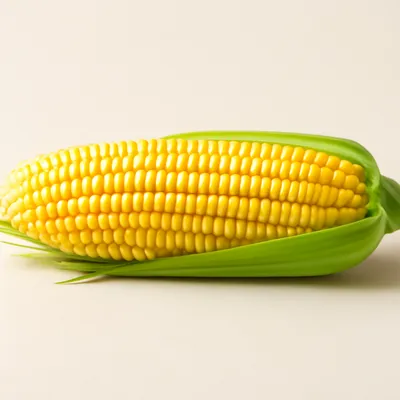
Acaçá comes from the Yoruba àkàsà, also called èkó, a white-corn paste set in leaf wrappers that survives across West Africa — agidi or èkó in Nigeria, akassa in Benin and Togo. Enslaved Yoruba carried it to Bahia, where it became inseparable from Candomblé practice: from the simplest offering (ebó) to the great festivals, the white acaçá is present, belonging especially to Oxalá, the orixá of creation dressed in white, yet given to every orixá from Exu onward. As an everyday food it spread through Salvador as the plain starch served alongside acarajé and the other 'comidas de azeite.' It is a folk and ritual food of the African diaspora with no single inventor or date.
Cool, pale, and almost flavorless on its own — that is the point. Unwrapped from the banana leaf, it slips out as a smooth, trembling block with a faint sweet-corn and green-leaf scent picked up from the wrapper. The texture is silky and dense, soft enough to break with a spoon, firm enough to hold its folded shape. Eaten in small bites between mouthfuls of fiery, salty acarajé or caruru, it works like cool rice against curry — a quiet, soothing counterweight rather than a flavor of its own.
White corn (or sometimes rice) is soaked in water for several days, changed periodically; over that time it softens and lightly ferments, taking on a distinctly sour smell that gives the finished paste its faint tang and helps the grain break down. The softened grain is ground to a milk-like slurry, often strained, then cooked slowly over low heat with constant stirring until the starch gelatinizes and the mass thickens into a glossy, pulling paste. Portioned hot onto leaves and cooled, the gelatinized starch sets firm. The banana leaf is passed over a flame first so it turns supple and will not split, and it perfumes the paste and keeps it from sticking.
Variations
The classic is plain white acaçá set in banana leaf; an unwrapped, looser version is eaten warm like a soft porridge. In some houses it is made from rice rather than corn, and red corn is used for certain orixás where white is not specified. A sweet 'acaçá de leite' enriched with coconut milk and sugar is a Bahian dessert and breakfast porridge, a softer cousin of the ritual form. The Yoruba relatives — Nigerian agidi/èkó and Beninese akassa — are the same fermented-corn set paste served with stews.
On the Palate
Where Acaçá sits in the Brazilian flavor cloud
Ingredients
Serves 6How it's made
6 steps · 30 min
- 15 min
Soak white corn in plenty of water for several days, changing the water periodically, until softened and lightly soured.
Watch outSoak the corn until it softens and smells faintly sour, changing the water as you go — that gentle souring is what breaks the grain down and gives the paste its tang.
- 28 min
Drain and grind the corn with a little fresh water into a smooth, milk-like slurry.
- 35 min
Strain the slurry through a fine cloth or sieve to remove coarse husk and grit.
- 420 min
Cook the strained liquid over low heat, stirring constantly, until the starch gelatinizes and the mass thickens into a glossy paste that pulls from the pan.
Watch outCook the slurry over low heat stirring without stop until it turns glossy and pulls from the pan — that's the starch gelatinizing, and it will set firm once cooled.
- 58 min
Pass squares of banana leaf over a flame until supple, then spoon a portion of hot paste onto each and fold into a parcel.
- 64 min
Let the parcels cool and set firm; unwrap from the leaf to serve, plain, alongside acarajé, caruru, or vatapá.
Archive tool suggestions — not reviewed
These legacy suggestions have not been evidence-reviewed and are not presented as required tools.



