
Iquitos sun-and-smoke-dried pork — pork strips salted, sun-dried 2-3 days in the Amazon humidity, then cold-smoked over local wood until firm and intensely flavored, sliced and fried crisp, eaten with tacacho (mashed roasted plantain) — Amazonian cured-meat tradition.
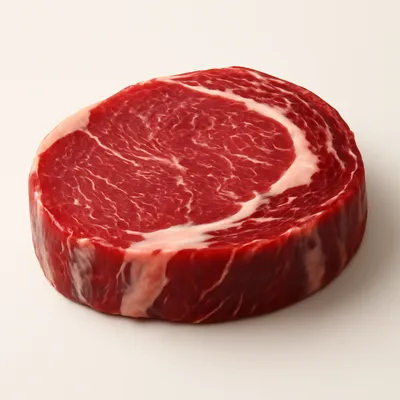


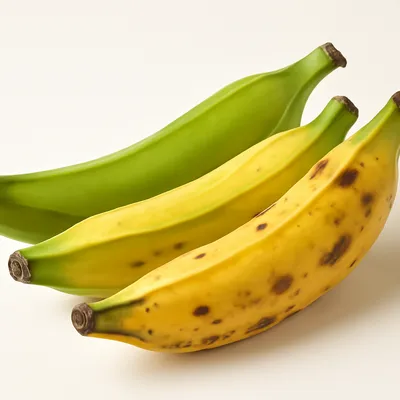
Cecina is the Amazonian version of cured meat — born from the need to preserve pork in the Amazon's hot-humid climate (where fresh meat spoils in 24 hours). Iquitos (Peru's largest Amazon city) developed the local cecina recipe: salted beef strips sun-dried in racks, then cold-smoked over local woods (palo de balsa, capirona). The result is firmer and smokier than American jerky, with a deep umami character from the multi-day drying. Eaten as a snack or starter; modern Iquitos restaurants serve it sliced paper-thin with patacones and a wedge of lime. The traditional Iquitos market sells cecina by the strip; locals chew it like beef jerky during long Amazon boat journeys.
A paper-thin slice of cecina is deeply savory — concentrated beef flavor, woody-smoky notes, salt-cured depth. The texture is chewy-toothsome (the days of drying make the meat dense). With a piece of crispy patacón + a wedge of lime, the dish becomes a full Amazonian starter: salty smoky meat + starchy crispy plantain + bright citrus. Iquitos locals eat cecina at every river-restaurant during the dry season; the smoky meat pairs with cold beer in the Amazon humidity.
The 24-hour salt cure removes ~30% of the beef's water via osmosis, concentrating proteins and flavors while preventing bacterial growth. Sun-and-air drying further removes water (down to ~20% original moisture), making the meat shelf-stable. The cold-smoke phase doesn't cook the meat — it adds flavor compounds (phenols, guaiacol) without lifting temperature. Amazon humidity actually helps — slow drying produces deeper flavor than fast (commercial) drying.
Variations
Iquitos canonical with sun-and-smoke; Pucallpa variant uses only sun (no smoke, lighter); modern industrial cecina is dried in dehydrators (faster, less flavorful); commercial Iquitos cecina is sold internationally — quality varies wildly; the dish is naturally gluten-free.
On the Palate
Where Cecina de Iquitos sits in the Peruvian flavor cloud
Ingredients
Serves 8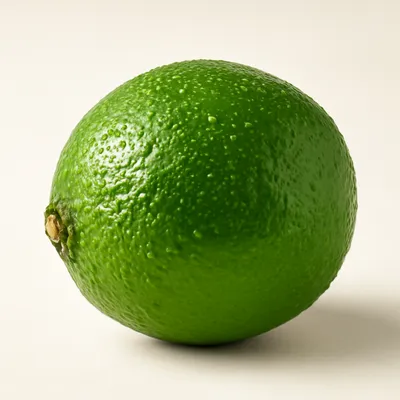

How it's made
7 steps · 1 hour active + 2 days 23 hours waiting
- 112 min
Buy 1.5kg lean beef (top round, eye of round, or sirloin). Slice into 5mm-thick strips, with the grain (long strips, 10cm × 4cm × 5mm). Pat dry.
- 21450 min
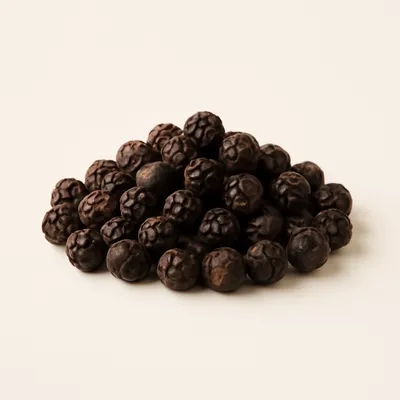
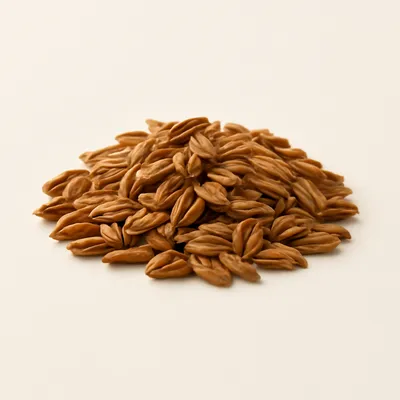
Dry salt cure: in a non-reactive container, layer the beef strips with 80g coarse sea salt + 1 tbsp black pepper + 1 tbsp ground cumin + 1 tsp paprika. Make sure each strip is fully coated. Refrigerate 24 hours.
Watch outCoat every strip fully in the salt-spice mix and layer them tight — bare patches won't cure and can turn during the long rest in the fridge.
- 35 min
After 24 hours, rinse the beef strips briefly under cold water to remove excess salt. Pat completely dry.
- 41800 min
Sun-dry: in dry, sunny weather (or in a 50-60°C oven with fan; or in a food dehydrator), hang the beef strips on a rack with airflow. Dry for 24-36 hours until the strips are firm, dry to the touch, and slightly leathery. The color should be dark mahogany.
Watch outDry until the strips feel firm and leathery and the color deepens to dark mahogany — still bendy in the middle means there's too much water left to keep.
- 5145 min
Smoke (optional but canonical for Iquitos): cold-smoke the strips over wood chips (oak, hickory, or applewood as substitute for Amazon woods) at 25°C for 2-3 hours. This adds the iconic smoke flavor.
- 68 min
Slice: with a very sharp knife, slice the cured-smoked beef paper-thin (1mm) against the grain.
Watch outSlice paper-thin against the grain with your sharpest knife — cut with the grain and each bite turns stringy and tough to chew.
- 71 min
Plate: arrange thin slices on a platter. Serve with patacones (twice-fried green plantains; see paiche recipe), a wedge of lime, sliced raw onion, and a small bowl of chonta salad. Cold beer is the canonical drink. The cecina should be intensely savory-smoky-salty; each slice is one chewy bite.
Archive tool suggestions — not reviewed
These legacy suggestions have not been evidence-reviewed and are not presented as required tools.



