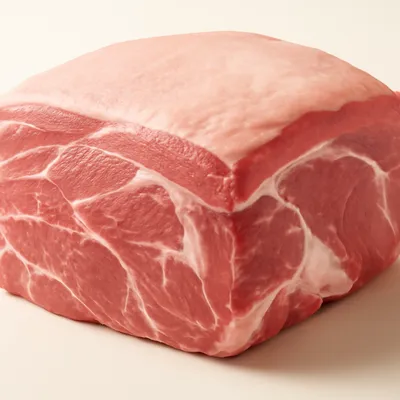
A coarse-cut, chilli-and-fennel cured salami from the hills of the Vastese, the area around Vasto in the province of Chieti in southern Abruzzo. Unlike a ground salami, it is made from lean, choice cuts of pork — thigh, loin and shoulder — trimmed of sinew and cut by hand into pieces of two to three centimetres, then seasoned almost one-to-one with salt and powdered sweet red pepper, often with wild fennel and a little black pepper. The mass is packed into a pig's bladder, tied into a ball of one or two kilos, dried for several days by an open fire and then aged for months. It is sliced and eaten as a starter, its cut surface a coarse mosaic of dark-red meat and white fat flecked with chilli.




Ventricina del Vastese is the prized cured meat of the Vasto hills in southern Abruzzo, traditionally a product of the winter pig slaughter and, because it used the best lean cuts and demanded long, careful work, long reserved for special occasions. Its name comes from the casing — the ventre, the pig's belly or bladder, into which the meat is stuffed. The drying by an open hearth fire gives it a faint smokiness, and producers traditionally wash the bladders in water with orange and lemon, which is said to leave a light citrus note. It is a Slow Food Presidium, recognised in 1998 to protect the dwindling number of artisan makers; older accounts place the ventricina of this part of Abruzzo in the early 19th century, though such early dates are reported by tradition rather than firmly documented.
Cut thick, ventricina is firm but yielding, the coarse pieces of lean meat distinct against soft white fat that turns translucent and almost buttery at room temperature. The first taste is the sweet, fruity warmth of the Altino-style red pepper, building to a moderate chilli heat, with the anise lift of wild fennel and a clean, well-cured pork savour behind it; the open-fire drying leaves a faint smoke. A good ventricina is aromatic and balanced, the fat sweet and the heat rounded; a poor or under-aged one tastes either harshly salty or merely hot, without the fennel-and-fruit perfume.
Ventricina is preserved by salt, drying and time rather than by cooking. The near-equal weight of salt and red-pepper powder draws moisture out of the cut meat and lowers its water activity, while the capsicum and fennel add aroma and some antimicrobial help; packing the mass tightly into the bladder and pressing out air denies spoilage organisms oxygen. The first days by the fire dry the surface and set a protective skin, lending a little phenolic smoke; over the following months in cool, airy cellars, slow enzymatic and microbial breakdown of proteins and fats develops the deep cured flavour. At about three months the surface mould is cleaned off and the ball is coated in lard, which seals it against drying out and pests as it finishes ageing, ready at seven to eight months.
Variations
The great companion and contrast is ventricina teramana, made further north around Teramo: it uses fattier trimmings, often including some offal, ground finer into a soft, spreadable paste closer to 'nduja, where the Vastese version is firm and sliceable from its coarse lean cuts. Among Vastese makers the chilli level runs from sweet (dolce) to distinctly spicy (piccante) depending on the proportion of hot pepper, and the fennel may be more or less pronounced. Sliced ventricina is eaten as an antipasto with bread, but it is also melted into a quick pasta sauce, where its fat and pepper flavour a simple tomato sugo.
On the Palate
Where Ventricina del Vastese sits in the Italian flavor cloud
Ingredients
Serves 20How it's made
7 steps · 2 hours
- 140 min
Bone and trim lean cuts of pork — thigh, loin and shoulder — removing sinew and the toughest fibres.
- 2600 min
Cut the meat by hand into pieces of about two to three centimetres and let it rest, chilled, overnight.
- 330 min
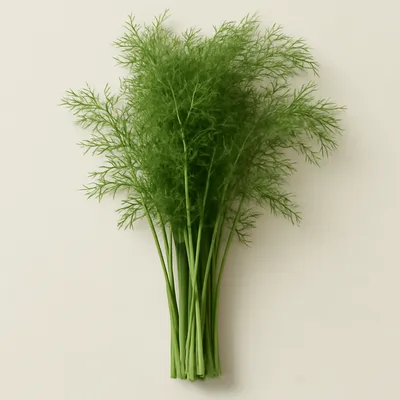
Season with salt and powdered sweet red pepper in roughly equal measure, with wild fennel and a little black pepper.
- 430 min
Pack the seasoned meat tightly into a cleaned pig's bladder, pressing out all the air, and tie into a ball with twine and netting.
Watch outPack the seasoned meat tight into the bladder and press out all the air — trapped air is where spoilage starts over the long cure.
- 511520 min
Hang to dry near an open fire for about seven to eight days so the surface sets and lightly smokes.
- 62160 min
Move to a cool, ventilated cellar to age, cleaning surface mould and coating the ball in lard at around three months.
Watch outAge in a cool, ventilated cellar, cleaning surface mould as it forms — steady cool airflow dries it slowly and evenly; too warm and it spoils before it dries.
- 760 min
Continue ageing until firm and aromatic, about seven to eight months, then slice to serve.
Archive tool suggestions — not reviewed
These legacy suggestions have not been evidence-reviewed and are not presented as required tools.