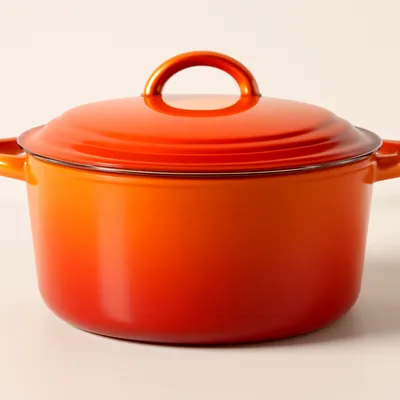
A communal harvest soup from the Sassi of Matera, a slow pot of the season's dried pulses and grain — chickpeas, beans, lentils, grass peas, fava and farro — with a few new potatoes and a thread of raw oil. Cooked each 1 August to mark the harvest's end and the bond of the neighbourhood, it is humble, thick and deeply savoury.
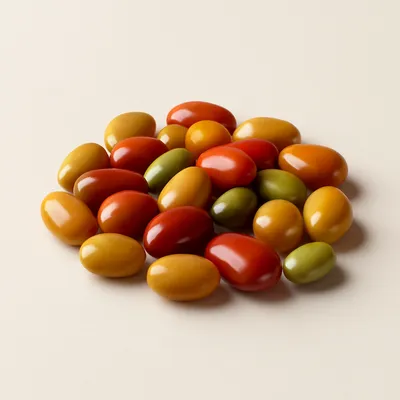
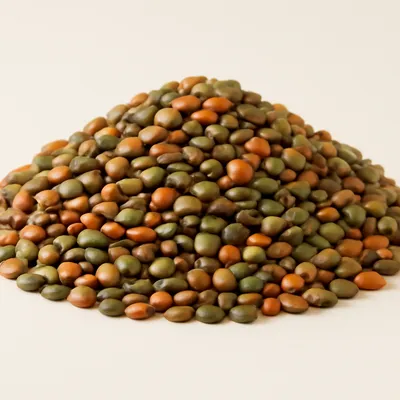
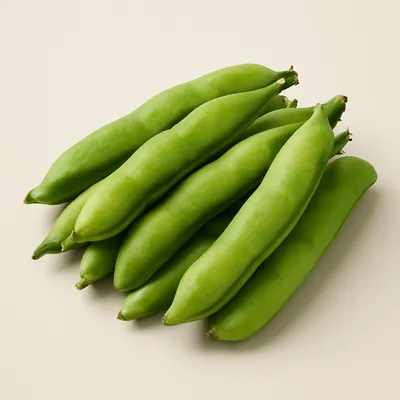



Crapiata is the communal peasant soup of Matera's Sassi, known in dialect as 'crapiet.' It was cooked each 1 August to celebrate the end of the harvest and the bond of the vicinato, the neighbourhood: every family brought whatever pulses and grain it had put by, tipped them into one great cauldron set on a three-legged trivet, and shared the pot. The rite survives most fully in the La Martella district built in the 1950s for the farmers resettled from the Sassi. Never formally codified — locals call it more a rite than a recipe — it was the dish chosen to open Matera's year as 2019 European Capital of Culture, and it is served with crostini of Pane di Matera.
A thick, rustic bowlful in which each legume keeps its own character — creamy chickpeas, soft beans, grainy farro — bound in a starchy, savoury broth and lifted by the peppery sting of raw oil.
An overnight soak hydrates the pulses and leaches out some of their indigestible sugars. Long, slow simmering gelatinises the starch in the legumes and grain, and as some cells burst they release starch into the water, thickening the broth without any flour. Because each pulse has a different skin and starch content, they soften at different rates and are added in stages; raw oil stirred in off the heat carries the fat-soluble aromatics, and its polyphenols give the finish its peppery bite.
Variations
Every family and district makes it a little differently, using whatever the pantry holds — more or fewer pulses, a little tomato or a bay leaf in some versions. Some keep strictly to legumes and grain with only potato; what stays constant is that it remains meatless and is finished with raw oil.
On the Palate
Where Crapiata sits in the Italian flavor cloud
Ingredients
Serves 8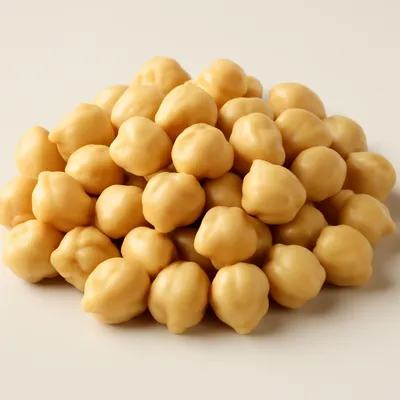

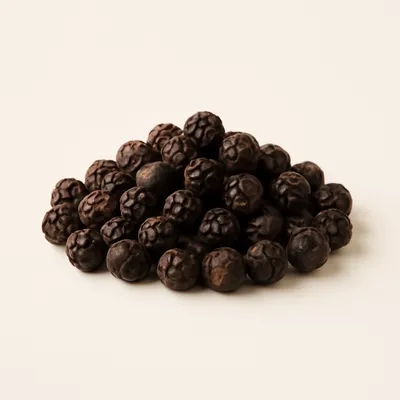
How it's made
7 steps · 20 min
- 1720 min
Soak the chickpeas, beans, fava, grass peas and farro in plenty of cold water overnight, keeping the quicker-cooking pulses separate.
- 215 min
Drain and rinse; put the harder legumes and the farro into a large pot with fresh cold water and bring slowly to a gentle simmer.
Watch outStart the hard legumes and farro in cold water and bring up slowly — a fast boil bursts the skins before the insides soften.
- 390 min
Simmer gently, skimming off any foam, until the chickpeas, beans, grass peas and grain begin to turn tender.
- 410 min
Add the lentils and fava with the peeled, cubed new potatoes and a little salt.
- 560 min
Keep simmering until everything is soft and the broth has thickened, topping up with a little hot water only if it grows too dry.
Watch outSimmer until everything's soft and the broth's turned creamy from burst starch — top up with only a splash of hot water if it dries, or it turns to gruel.
- 610 min
Taste for salt and let the pot rest off the heat for a few minutes so the flavours settle.
- 75 min
Ladle into bowls, finish each with a generous thread of raw olive oil and a grind of pepper, and serve with crostini of Pane di Matera.
Archive tool suggestions — not reviewed
These legacy suggestions have not been evidence-reviewed and are not presented as required tools.