
A cucina-povera bread soup of the Maremma, the coastal lowland of southern Tuscany around Grosseto that reaches into northern Lazio. Onion and other aromatics are softened slowly in olive oil, then simmered with tomato, water and whatever wild or seasonal greens are at hand, and the thin broth is ladled over slices of stale unsalted Tuscan bread laid in the bowl. It is classically finished with an egg — poached whole in the broth or beaten in — and a dusting of pecorino. The name, acqua cotta, means «cooked water», a plain account of a soup built from almost nothing.





Acquacotta is one of the classic dishes of the cucina povera of the Maremma, the once-malarial coastal lowland of southern Tuscany and the bordering Tuscia of northern Lazio. Its exact origin is unrecorded; it is generally described as an old peasant soup whose form long predates any cookbook. It was the food of the people who worked the Maremma in the open — the butteri (the region's mounted cattle herdsmen), the carbonai (charcoal-burners) of the woods, along with shepherds, woodcutters and field labourers — who carried little more than bread, onion, oil and salt and stretched a meal from stale bread, water and whatever greens the countryside offered. It was, in part, a way to make hardened stale bread edible again. The name is literal: acqua cotta, «cooked water».
Thin and brothy rather than thick, the bowl is led by the deep sweetness of onion cooked down low and long, lifted by the acidity of tomato and the peppery bite of raw olive oil poured over at the end. At the bottom sits the bread, swollen soft and saturated with broth but still in pieces, not mush. The egg is the richness: a poached yolk broken into the soup turns it silky, or a beaten egg clouds it into soft savoury threads. A shower of sharp pecorino over the top salts and sharpens the whole thing.
The whole soup is built from cheap ingredients by technique. Sweating the onion slowly in oil draws out and concentrates its sugars and, with a touch of gentle browning, layers on the savoury-sweet depth of mild caramelisation — flavour conjured from almost nothing. The bread is the body: stale bread has a dried-out, set starch network that drinks in the broth and swells without falling apart, lightly thickening the soup, whereas fresh bread, its starch still soft and soluble, would simply disintegrate into paste. The egg both enriches and lightly binds — its proteins begin to coagulate as the broth heat passes roughly 62–65°C for the white and 65–70°C for the yolk, so a whole egg slipped in poaches with a set white and a still-runny yolk, while a beaten egg sets into fine threads through the liquid. The olive oil carries the fat-soluble aromas and emulsifies into the broth to round it out.
Variations
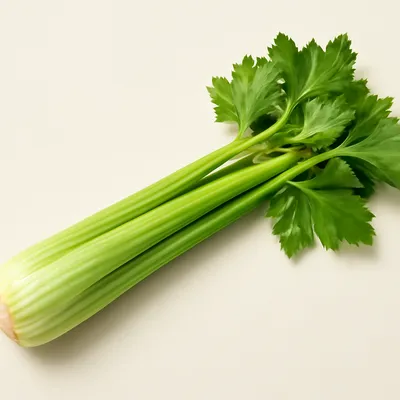
There is no single acquacotta but a family of them. The famous Maremma version (acquacotta maremmana) is built mainly on celery and tomato without leafy greens, while a lesser-known Maremma type leans on chard or spinach. In the Casentino valley and the Senese it becomes a mushroom soup — acquacotta con i funghi, made with porcini, sometimes with sausage — and there is also a version with peperoni (sweet peppers). The Tuscia version of northern Lazio adds potato and wild chicory or chard, scatters the egg in beaten like stracciatella, and finishes with grated pecorino romano; some Alto Lazio versions even work in soaked salt cod and chilli. The egg may be poached whole or beaten in, and the related, even barer acquasale — «salt water», bread moistened with salted water and oil — is its poorer cousin.
On the Palate
Where Acquacotta sits in the Italian flavor cloud
Ingredients
Serves 4

How it's made
7 steps · 25 min active + 25 min waiting
- 114 min
Slice the onion thinly and soften it gently in a good amount of olive oil over low heat, with a little celery, until sweet and lightly golden, about 12–15 minutes.
Watch outSoften the onion slowly in plenty of oil until sweet and lightly golden — this gentle browning conjures the soup's whole depth from almost nothing.
- 25 min
Add chopped tomato (and any wild or seasonal greens) and let it cook down for a few minutes.
- 320 min
Pour in hot water to make a thin broth, season with salt and pepper, and simmer gently for about 20 minutes.
- 43 min
Lay slices of stale unsalted Tuscan bread in the bottom of warm bowls (or in the pot).
Watch outUse stale, dried-out bread, not fresh — its set starch drinks the broth and swells whole, where fresh bread just disintegrates into paste.
- 54 min
For a whole egg, slip it into the simmering broth and poach a few minutes until the white sets but the yolk stays soft; for a beaten egg, stir it through the broth so it sets in fine threads.
Watch outPoach the whole egg just until the white sets and the yolk stays soft — a few minutes only, so the yolk still runs into the broth.
- 62 min
Ladle the hot broth and egg over the bread so the bread swells and softens.
- 72 min
Finish with a thread of raw olive oil and a generous grating of pecorino, and serve at once.
Archive tool suggestions — not reviewed
These legacy suggestions have not been evidence-reviewed and are not presented as required tools.


