
Pasta con i tenerumi is the high-summer soup-pasta of Palermo, built almost entirely from the cucuzza longa, the long Sicilian snake gourd. The tenerumi are the plant's tender leaves and shoots, which are shredded and simmered with cubes of the gourd into a sweet, grassy broth. Hand-broken spaghetti is then cooked directly in that green minestra so the pasta starch thickens it into something between a soup and a pasta. A separate tomato-and-garlic sauce, the picchio pacchio, is stirred through, and the bowl is finished with grated caciocavallo or pecorino and a thread of raw olive oil. It is quintessential cucina povera: a single vegetable plant carried from leaf to fruit into one frugal, refreshing dish.


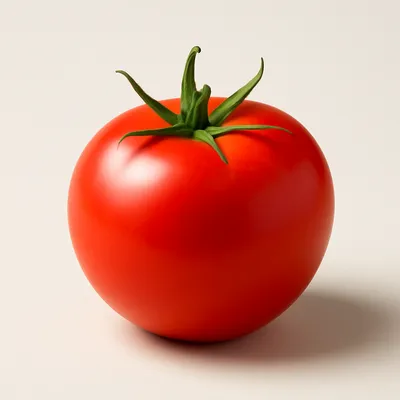

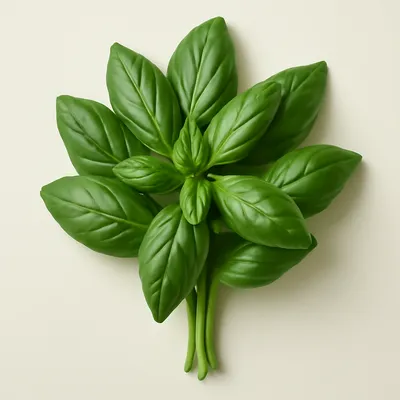
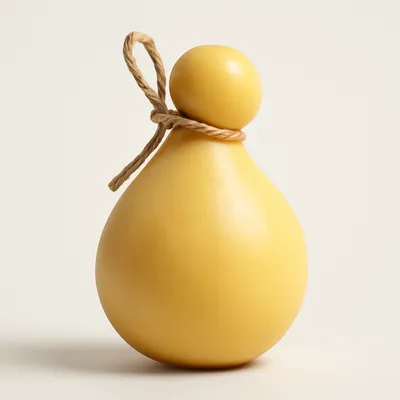
The dish belongs to the rustic kitchen of western Sicily and is most strongly associated with Palermo, where stalls still sell bundles of tenerumi through the hot months. The cucuzza longa is a bottle-gourd, Lagenaria siceraria in its long-fruited form, grown across the island; its young leaves and tendrils, called tenerumi or taddi di cucuzza, are gathered while still soft. Eating the leaves as well as the fruit is a frugal habit of the southern Italian countryside, where nothing edible on a plant was wasted. The minestra is firmly seasonal, appearing roughly from June to October when the gourds are in full growth, and it is treated in Palermo as much a way to beat the heat as a meal.
The broth is light and faintly sweet, tasting of warm grass and cooked greens, with the gourd cubes melting to a silky softness. The hand-snapped spaghetti comes in uneven lengths that catch the liquid, giving a spoon-and-fork texture neither soup nor dry pasta. Garlic and tomato sharpen the green background, while the grated caciocavallo melts into salty, tangy threads. It is meant to be eaten warm or at room temperature, refreshing rather than heavy.
Everything turns on cooking the pasta in the vegetable liquid rather than in separate salted water. As the broken spaghetti simmers in the green broth, starch leaches out and is never poured away, so the liquid thickens into a loose, glossy minestra that clings to each piece. The tenerumi are tender enough to wilt and break down in minutes, releasing a mild chlorophyll sweetness, while the cucuzza, a watery gourd, gives body and a clean melon-like flavour without muddying the colour. The picchio pacchio is built separately so the garlic is bloomed in oil and the tomato concentrated before it meets the greens, keeping its bright acidity intact. Caciocavallo or pecorino is grated in off the heat, where its fat and salt emulsify lightly into the broth rather than seizing into rubbery clumps.
Variations
Some Palermo cooks melt an anchovy fillet into the garlic oil for a salty undertone, while others keep it strictly meatless. The pasta is debated: many insist on hand-broken spaghetti, but short shapes like spezzati or ditalini are also used. Cooks who prefer it drier reduce the water so it eats as a pasta rather than a soup, and a few add a handful of cubed potato for heft. Caciocavallo, pecorino, and grated ricotta salata all appear as the finishing cheese, and a little fresh basil is sometimes torn in at the end.
On the Palate
Where Pasta con i Tenerumi sits in the Italian flavor cloud
Ingredients
Serves 6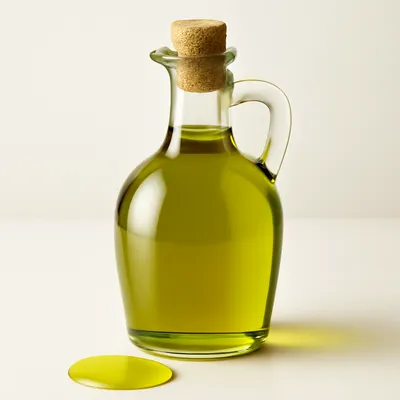
How it's made
8 steps · 35 min active + 35 min waiting
- 120 min
Strip the tender tenerumi leaves and shoots from any tough stalks, wash them well in several changes of water, and cut into thin strips. Peel the cucuzza, scrape out the spongy seeds, and dice into cubes.
- 212 min
In a wide pot, warm olive oil and gently colour two cloves of garlic, then add the chopped tomatoes with a little salt and simmer about ten minutes into a loose picchio pacchio. Set half aside for finishing.
- 34 min
Add the shredded tenerumi to the pot and stir until wilted, then pour in roughly six cups of water and bring to a boil.
- 420 min
Add the cucuzza cubes, cover, and simmer about twenty minutes until the gourd is meltingly tender and the broth tastes sweet and green.
Watch outSimmer the cucuzza covered about twenty minutes until meltingly tender and the broth tastes sweet and green — that soft gourd and its liquid are the body of the soup.
- 53 min
Break the spaghetti by hand into short irregular lengths and add it straight to the simmering broth, stirring so it does not clump.
- 69 min
Cook the pasta in the vegetable broth until al dente, about eight to nine minutes, adding a little hot water only if it tightens too far.
Watch outCook the broken spaghetti right in the vegetable broth to al dente — never drain it; the leached starch is what thickens the liquid into a glossy minestra that clings.
- 73 min
Stir through the reserved picchio pacchio and tear in basil, then let the pot settle off the heat for a couple of minutes.
- 83 min
Ladle into bowls, finish with grated caciocavallo or pecorino and a thread of raw olive oil, and serve warm or at room temperature.
Archive tool suggestions — not reviewed
These legacy suggestions have not been evidence-reviewed and are not presented as required tools.


