
A hearty mountain dish from the hamlet of Ozein, a frazione of Aymavilles in the Valle d'Aosta, known in the local patois as Faveau. Dried broad (fava) beans are soaked overnight and simmered soft, then built up with short pasta such as maccheroni or penne, browned local sausage (saouseusse), generous Fontina, cubes of bread fried in butter, and butter perfumed with sage and garlic, until everything binds into a thick, rich minestra somewhere between a soup and a baked pasta. It is cucina povera of the high valley — a way to turn a winter store of dried legumes and the valley's own cheese into one warming, filling pot. Eaten in the late summer and autumn, it is the dish honoured each year at the village festival of Ozein.
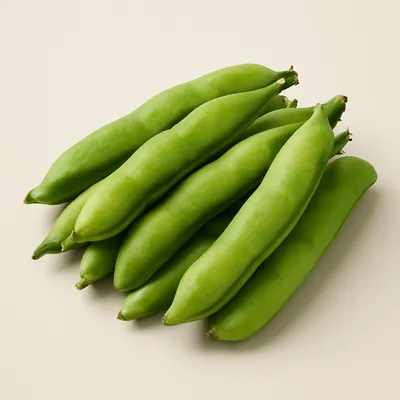
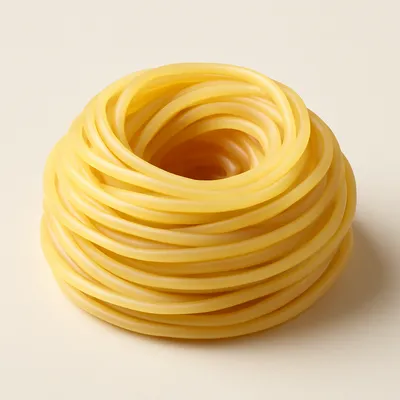


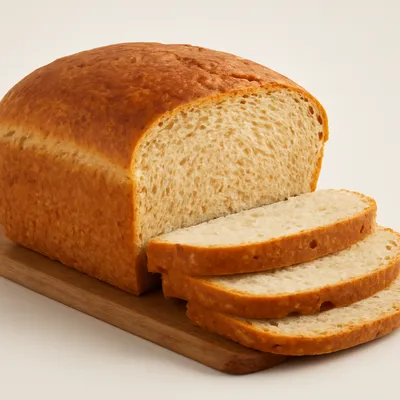

Favò is one of the lesser-known typical first courses of Valdostan cuisine, recorded in regional sources as a minestra di fave — a fava-bean soup — that originated in Ozein, a small village in the commune of Aymavilles south-west of Aosta; its patois name is Faveau. Its name comes straight from the bean: fava (fave) gives faveau and the contracted favò. As with almost all Alpine peasant cooking, no single inventor or founding date survives; it grew out of the long mountain logic of cucina povera, where dried broad beans — laid down as a high-protein winter store — were stretched with pasta, bread and the valley's fat cheese into a substantial meal. It rests on the same pillars as much of the region's food: Fontina, the raw cow's-milk cheese documented in the valley since at least the 15th century and DOP since 1996, and the home-made sausage the patois calls saouseusse. The dish is celebrated each year at a two-day village festival in Ozein, which has kept it on the regional map.
Thick and clinging rather than brothy — a spoonful holds together. The fava beans have gone soft and floury, breaking down to thicken the pot into something between a soup and a stew; the short pasta is tender and slick with cheese, and the Fontina pulls in long strings through the whole dish. Browned sausage gives deep, savoury, faintly fatty bursts, the sage-and-garlic butter runs warm and aromatic underneath, and the bread cubes stay crisp at the edges where they have soaked up just enough of the base to turn chewy-soft inside. The flavour is rich, lactic and earthy, the beans nutty and the cheese pungent; a good one is unctuous but still has body, a poor one is either thin and watery or so heavy with bread and cheese that it sets into a stodgy mass.
The thickening is driven by the beans. Dried fava beans are dense packages of stored starch and protein behind a tough seed coat; the overnight soak and long simmer rehydrate them and gelatinise that starch, so the cell walls soften and break and the beans partly dissolve, releasing starch into the liquid to thicken the whole pot — the reason no flour or roux is needed. Browning the sausage runs the Maillard reaction across its surface, building meaty, roasted flavour compounds, while frying the bread and butter cubes both crisps the bread (driven off water plus surface Maillard) and creates a textural counterpoint; the sage and garlic are bloomed in hot butter so their fat-soluble aromatics dissolve into the fat and carry through the dish. Fontina is one of the great melting cheeses — young, moist and low in acid — so at the pot's heat it flows and binds rather than tightening into rubber, and stirred in off direct high heat it strings and emulsifies into the starchy liquid instead of splitting. The fried bread then soaks up the savoury base and softens, completing the move from loose components to a single thick, set dish.
Variations
Recipes vary household to household. The pasta may be maccheroni, penne or another short shape, and some cooks use more bean and less pasta or the reverse; the sausage is the local fresh saouseusse, browned, though it is sometimes left out for a leaner version. The bread is stale country or rye bread, fried in butter, and the seasoning butter is scented with sage and garlic. The cheese is properly Fontina Val d'Aosta DOP, melted through. It belongs to the wider Valdostan family of rich, bread-and-Fontina minestre — close kin to the layered Seupa à la Vapelenentse and to the valley's other Fontina dishes such as fonduta and polenta concia — all of them stretching mountain staples with the same fat cheese.
On the Palate
Where Favò sits in the Italian flavor cloud
Ingredients
Serves 6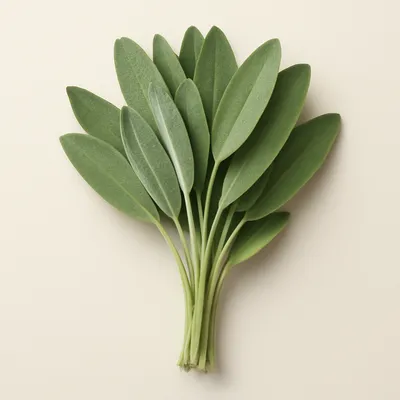

How it's made
9 steps · 50 min
- 15 min
Soak the dried fava beans in plenty of cold water overnight, then drain and rinse.
- 215 min
Simmer the soaked beans in fresh unsalted water until soft, about 1 to 1.5 hours, skimming as needed; salt only near the end.
- 38 min
Slice or crumble the sausage and brown it well in a pan; set aside.
- 48 min
Cut the stale bread into cubes and fry them in butter until golden and crisp; set aside.
- 510 min
Cook the short pasta in the bean pot or in salted water until just shy of al dente.
- 68 min
Gently mash some of the beans to thicken the base, then bring beans, their liquid and the pasta together to a loose, brothy consistency.
Watch outMash some of the beans to thicken the base — their released starch is what bodies the pot, so no flour is needed.
- 75 min
Melt butter with the sage leaves and garlic until fragrant, and stir most of it through the pot with the browned sausage.
- 84 min
Off direct high heat, stir in the grated Fontina so it melts and strings through without splitting.
Watch outStir the Fontina in off the fierce heat until it strings through — over direct high heat the cheese splits and weeps its fat.
- 94 min
Fold in the fried bread cubes, finish with the remaining sage butter, rest briefly so it thickens, and serve hot.
Archive tool suggestions — not reviewed
These legacy suggestions have not been evidence-reviewed and are not presented as required tools.


